The spark and the scandal
Love, fields, and contrasting lives
High society and steam engines
The global legacy of a masterpiece
schopenhauer Railway tracks frame key moments from the first meeting of Anna and Vronsky to her tragic death. This machinery represented the unsettling intrusion of Western technology into 1870s Russia
Which character represents the superficial, gossipy high-society circle that encourages secret affairs but shuns public ones?
What is the name of Anna's beloved young son whom she is forced to leave behind?
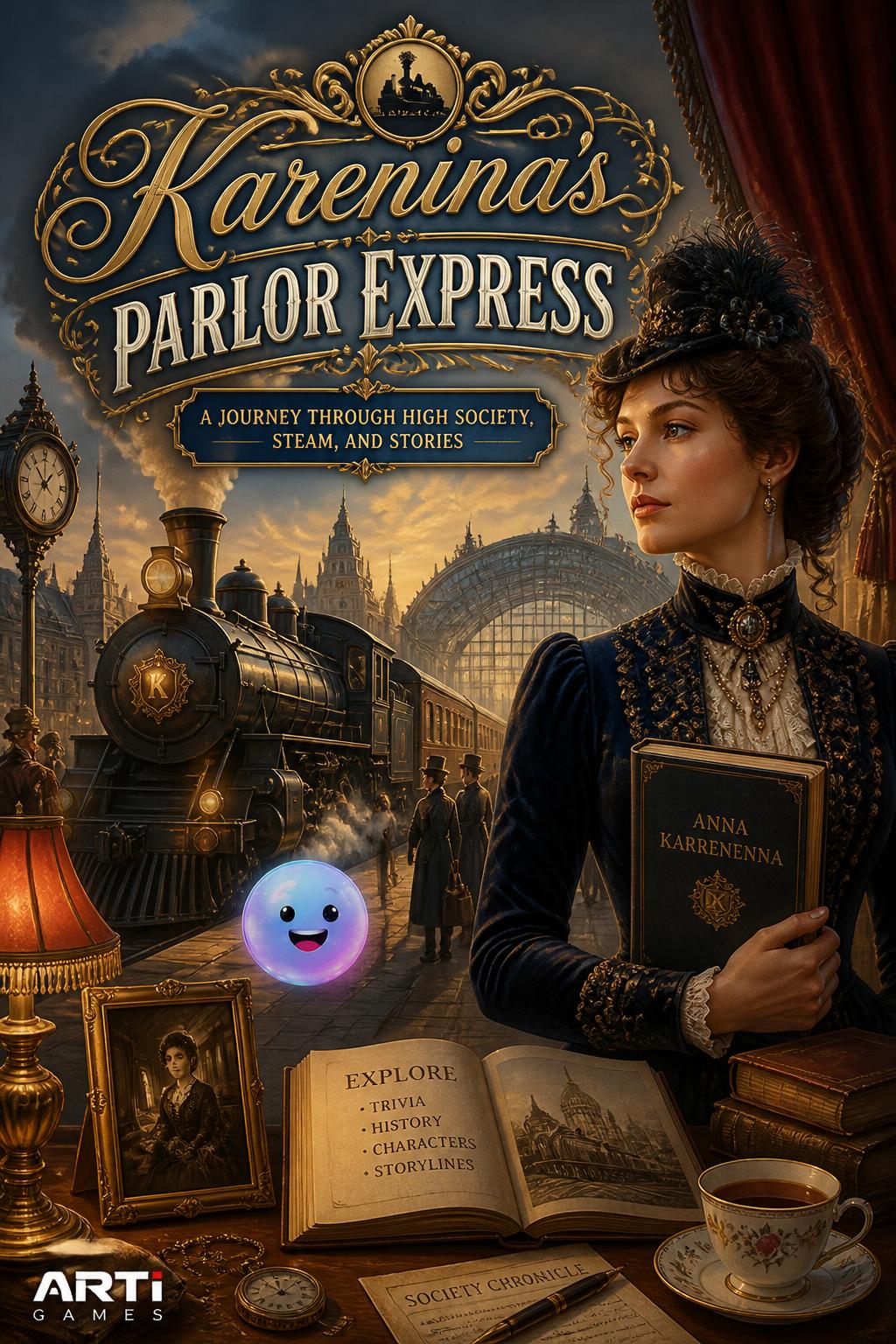
schopenhauer Match characters to their train cars to discover the dramatic relationships of Anna Karenina.
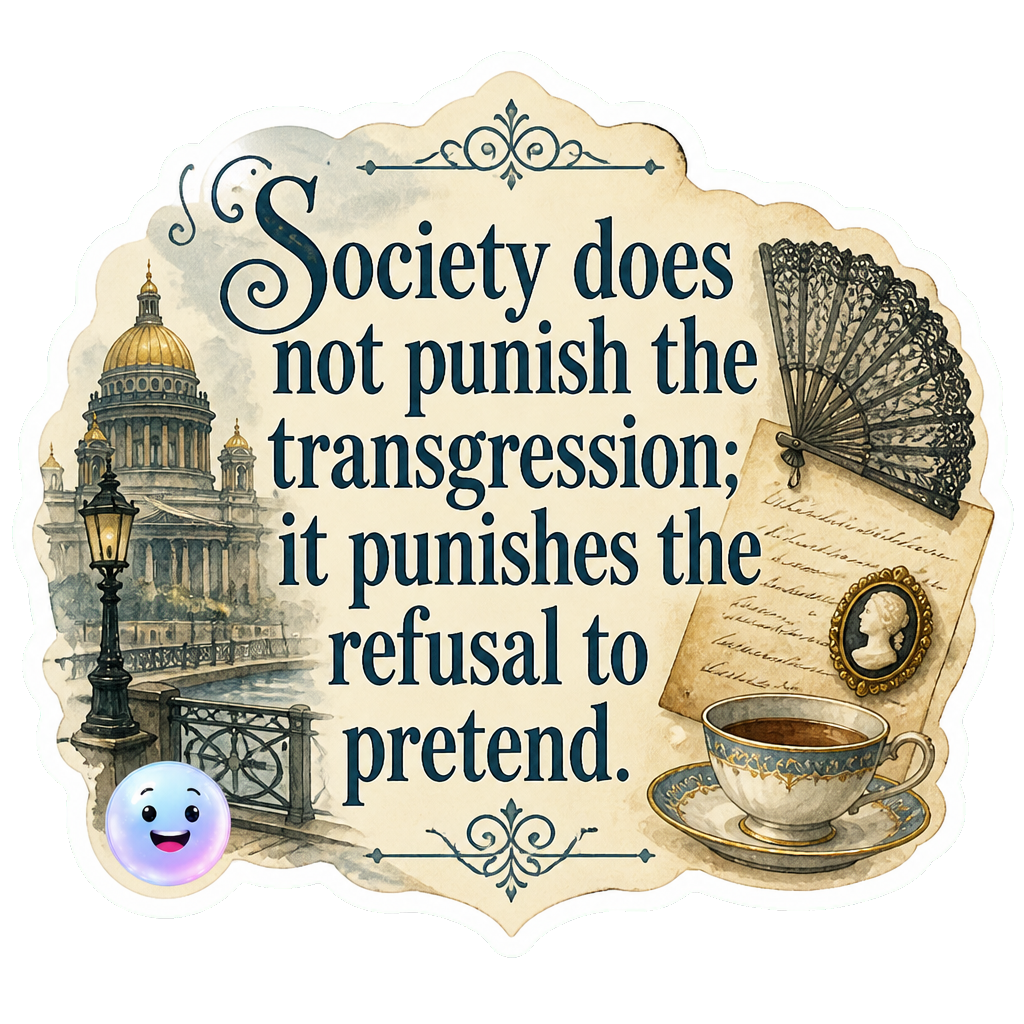
schopenhauer High society aristocrats like Betsy Tverskaya hid their affairs behind polite manners. Anna Karenina faced social ruin because she lived openly with her lover instead of lying.
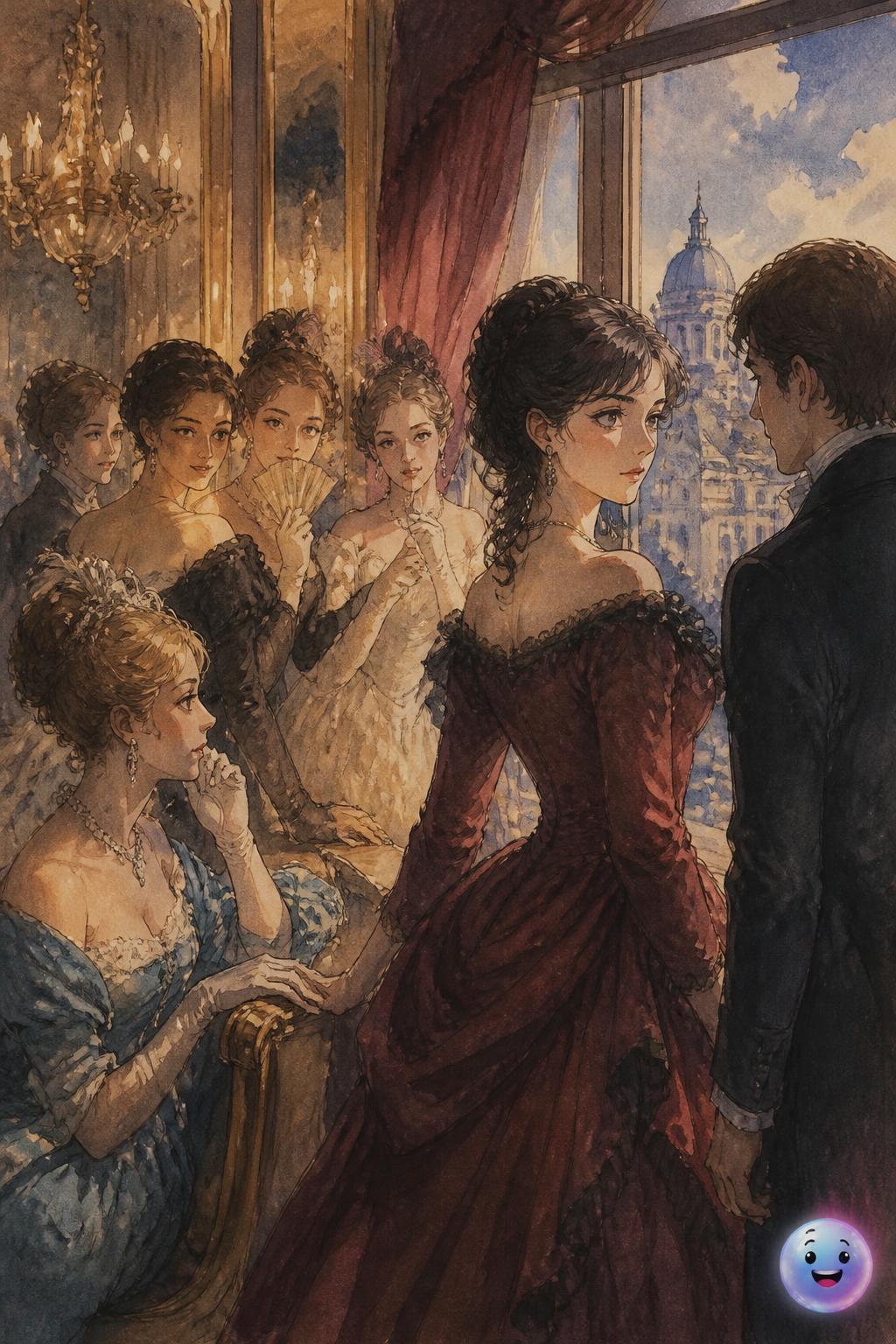
schopenhauer Elegant aristocrats whisper behind fans in a watercolor St. Petersburg salon.
What activity does Levin participate in with his peasants that brings him deep spiritual peace?
Which city's high society salons represent the cold, gossipy elite that rejects Anna?
schopenhauer High Society Steam Trains
Ride the steam train to the music hall! (To the hall!) We're styling out at the grand train ball! (Oh yeah!)
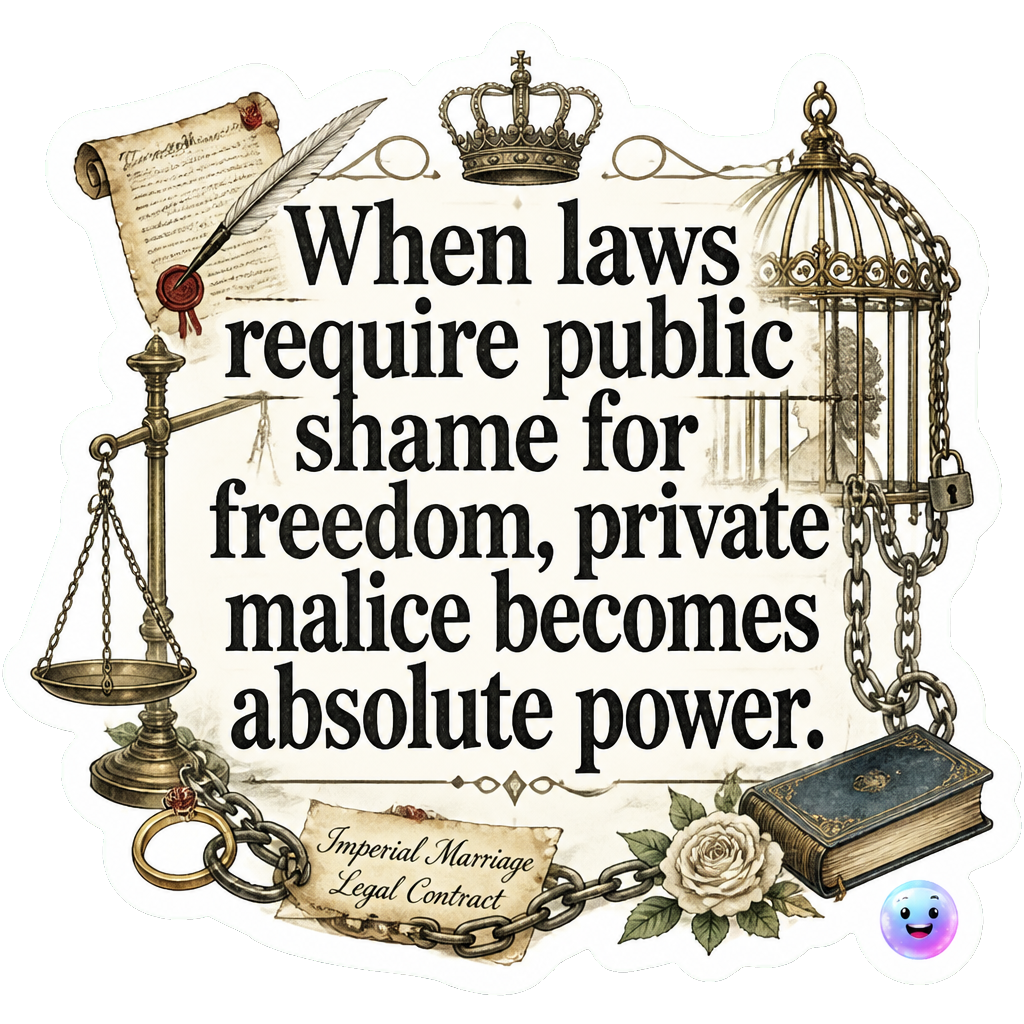
schopenhauer In the 1870s, the Russian Orthodox Church required public proof of adultery for divorce. Karenin used this law to deny Anna custody of her son Seryozha.
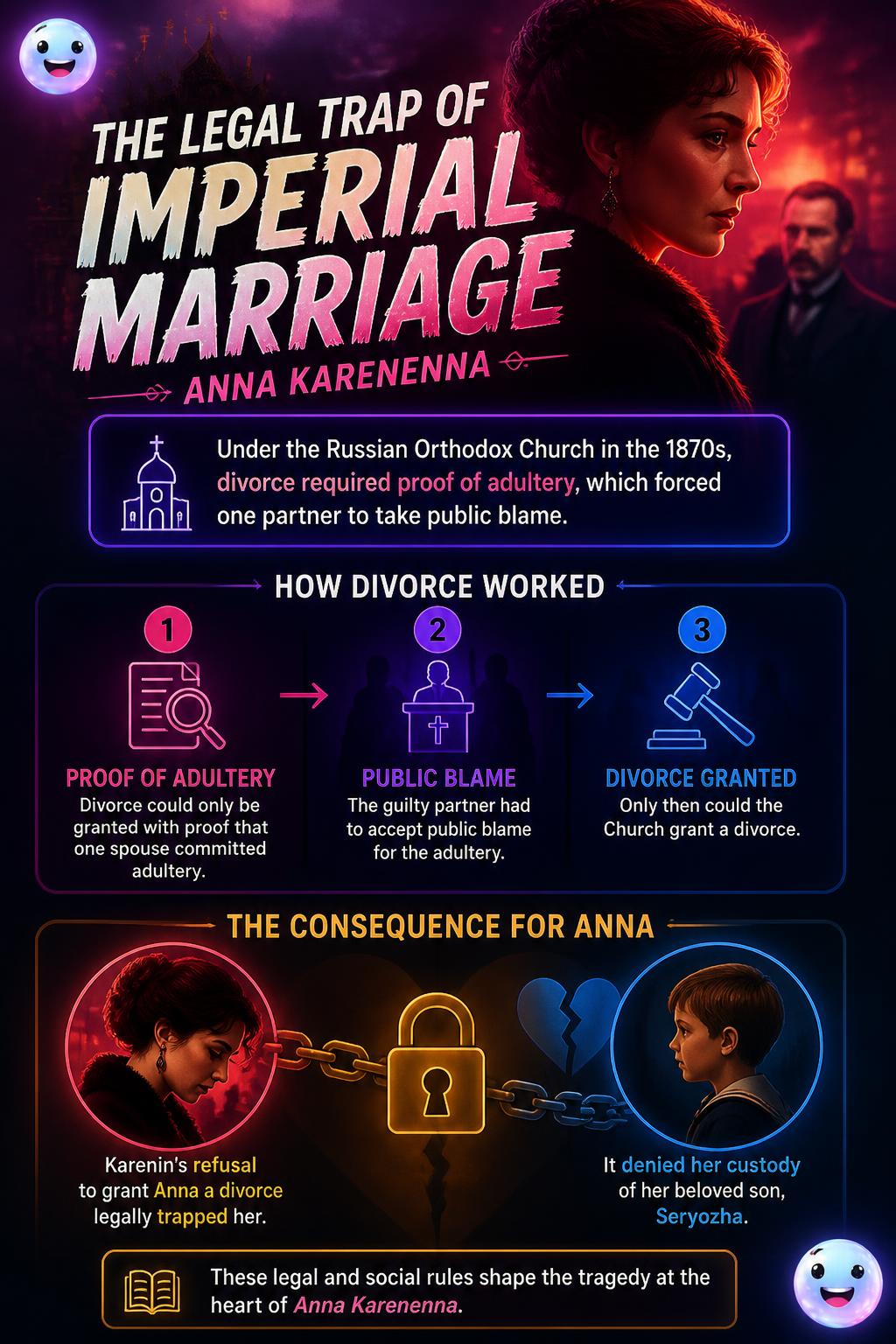
schopenhauer Illustrated character profiles show the legal trap separating Anna Karenina from her son.
What major technological advancement serves as a recurring symbol of doom and modernization in the novel?
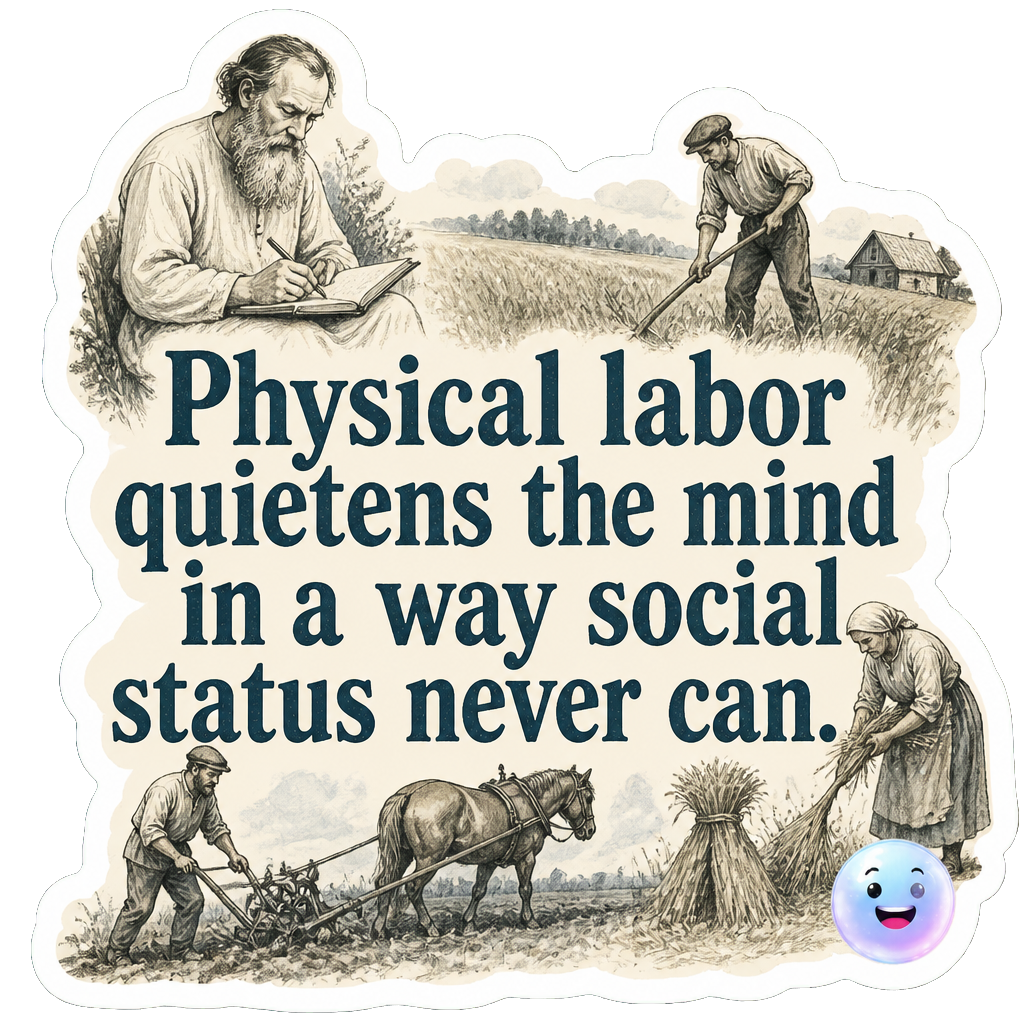
schopenhauer The character Levin finds deep joy mowing fields alongside his peasants. This famous scene illustrates why the author valued rural workers over wealthy city aristocrats
Why was divorce so exceptionally difficult to obtain in 1870s Imperial Russia?
Where did Leo Tolstoy actually die in 1910, mirroring the train motif of his novel?

Train obsession: Tolstoy himself died at a remote railway station in Astapovo in 1910, mirroring the heavy train symbolism of his most famous novel.
A powered railway vehicle used for pulling trains. In Leo Tolstoy's classic novel, this machine serves as a recurring symbol of tragedy and impending doom.