The scream and its secrets
The frieze of life
Munch beyond the canvas
The legacy in Oslo and beyond
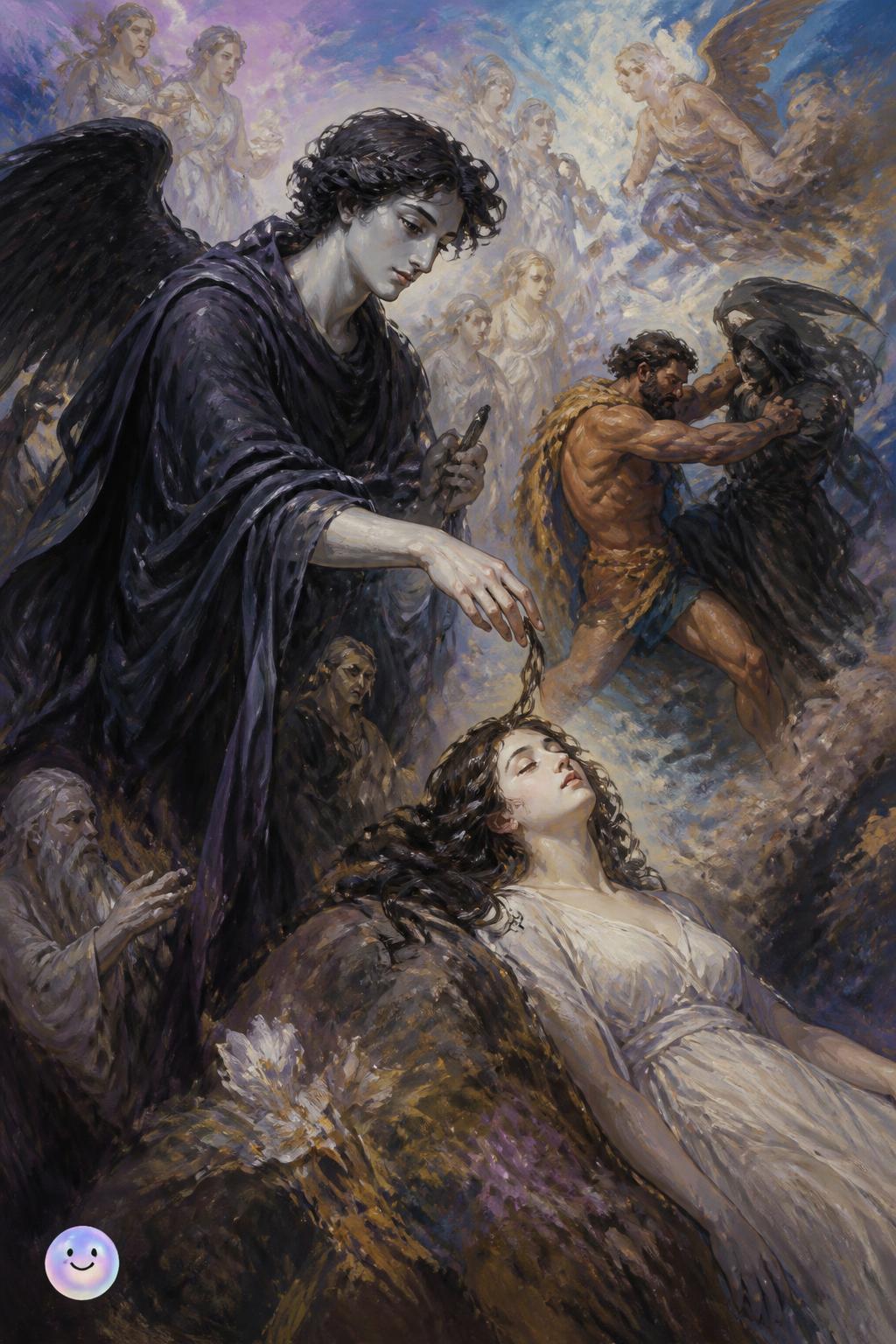
schopenhauer Edvard Munch created "The Frieze of Life" to show a cycle of love, anxiety, jealousy, and death.
What unusual border elements did Edvard Munch include in his lithograph version of 'Madonna'?
What was the original title of Edvard Munch's painting widely known today as 'Vampire'?
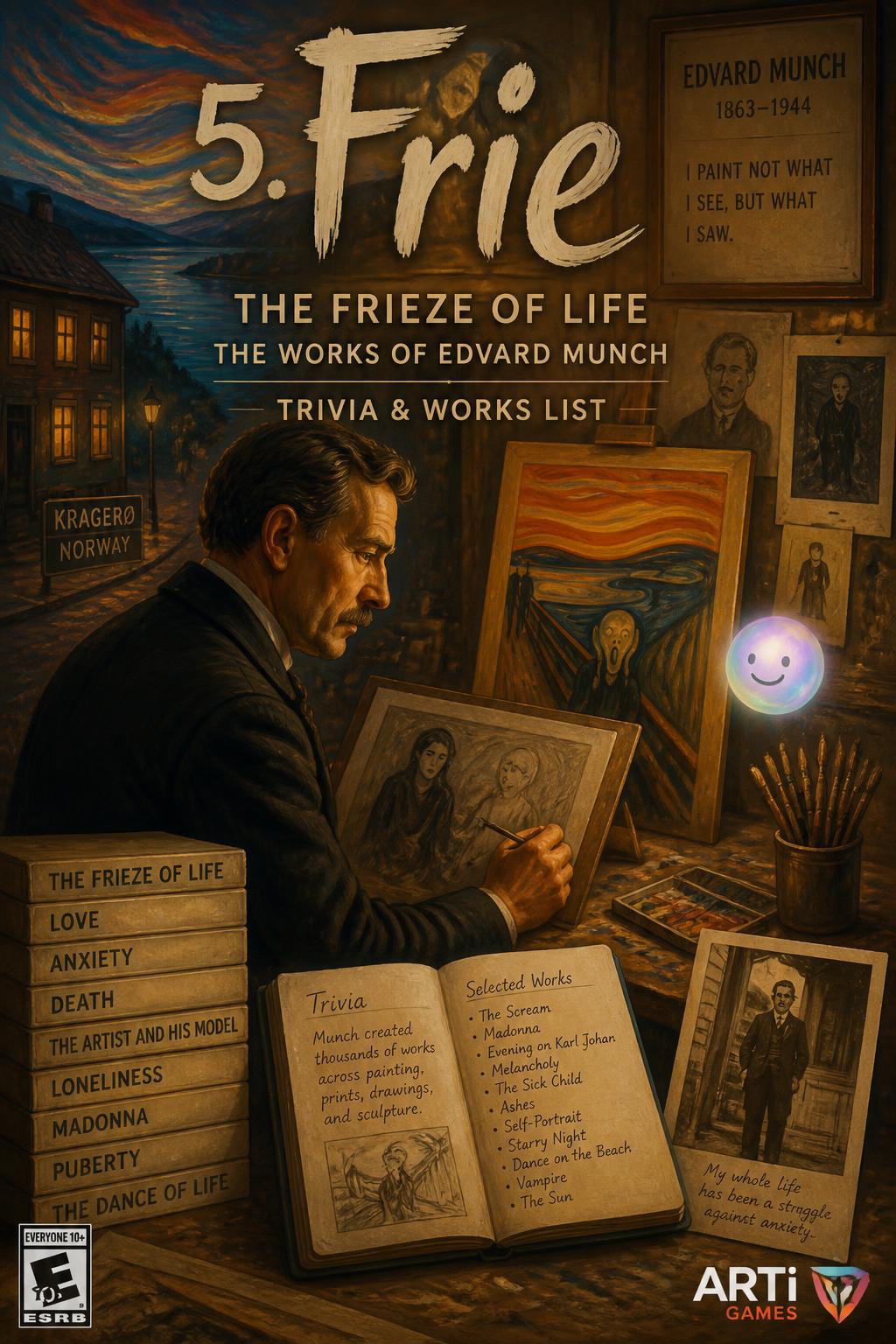
schopenhauer Test your knowledge of Edvard Munch's Frieze of Life series with this trivia game. Refine your art history skills and select the correct works.
schopenhauer Munch painted six versions of The Sick Child over forty years to cope with his sister's death.
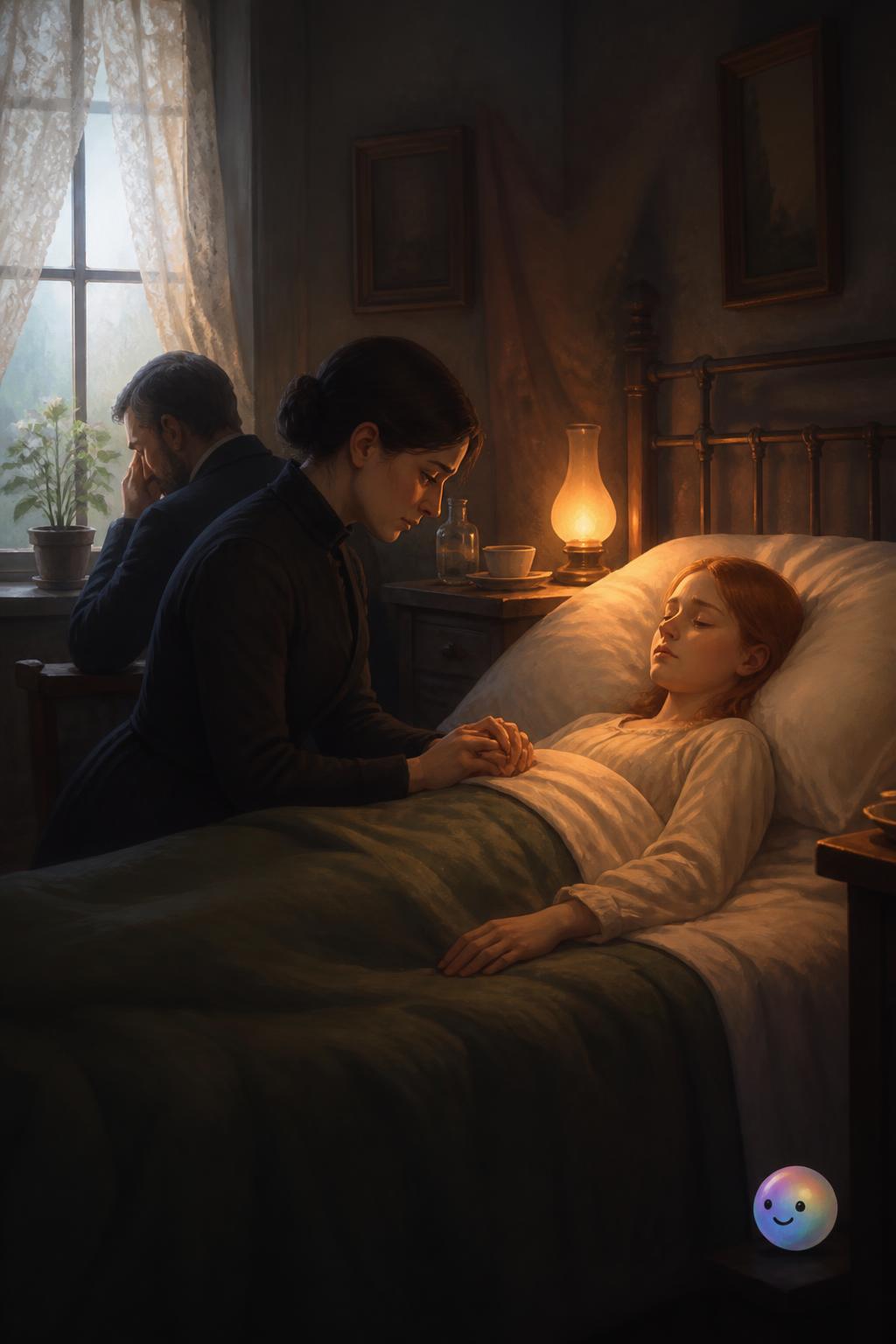
schopenhauer Edvard Munch painted 'The Sick Child' to process the heartbreaking loss of his older sister.
In Munch's painting 'The Dance of Life', what do the three main female figures in white, red, and black dresses represent?
Which family tragedy inspired Edvard Munch's emotional painting 'The Sick Child'?
schopenhauer The Frieze of Life
He sells a masterpiece, then paints it again! (Paints it again!) Keeping the symphony of life complete! (Keep it whole!)
schopenhauer Munch’s scandalous Madonna lithograph features a border decorated with floating embryos and a tiny, grieving figure.
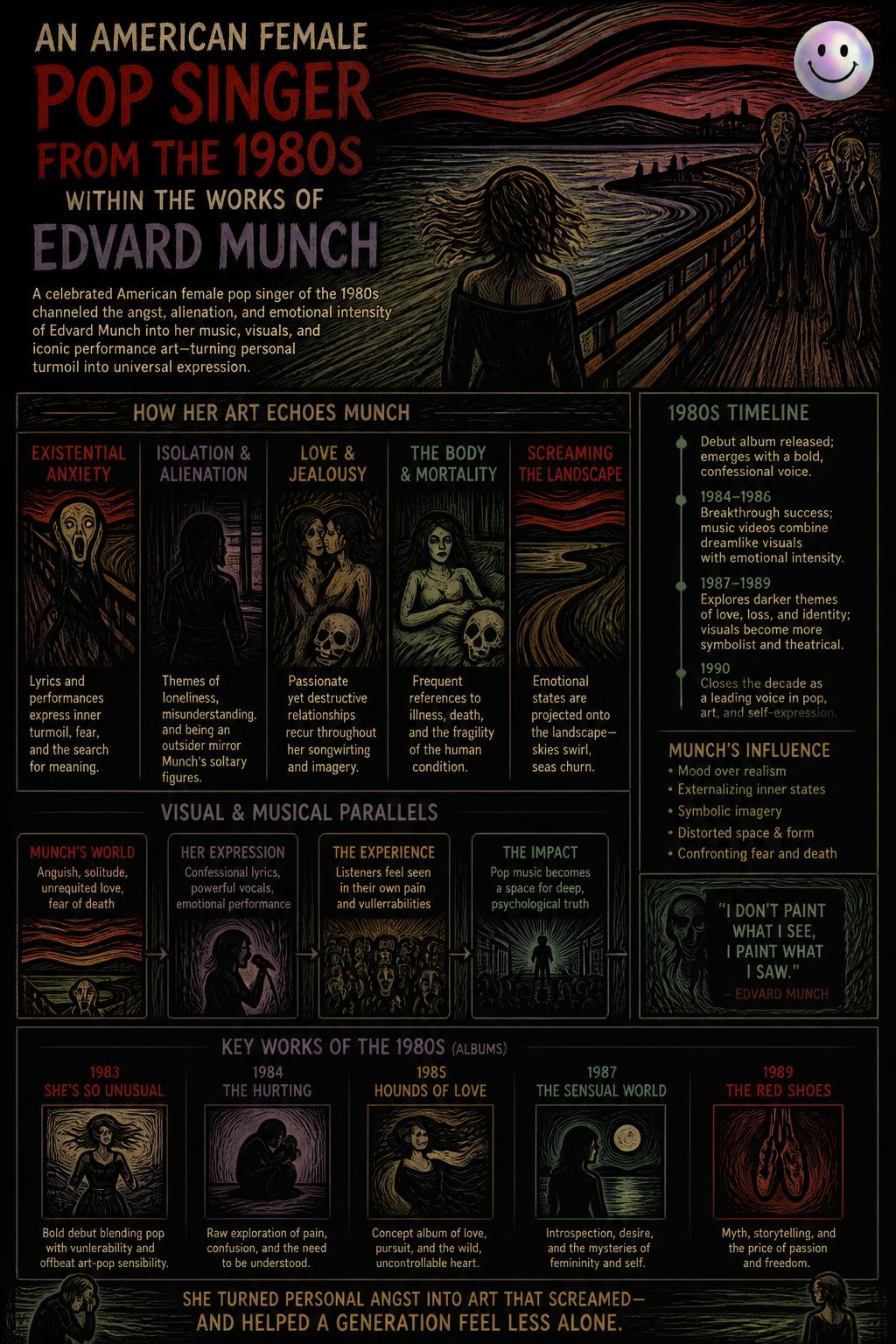
schopenhauer Edvard Munch's controversial 'Madonna' paintings shocked late nineteenth-century audiences with their bold imagery.
What was the overarching name Edvard Munch gave to his series of paintings about love, anxiety, and death?
Alternative title: Munch's famous painting 'Vampire' was originally titled 'Love and Pain' until a critic gave it the spooky nickname.
schopenhauer Explore the history behind Edvard Munch's misunderstood painting "Vampire." Watch this video to discover trivia and a list of the artist's works.
Which painting by Edvard Munch shows pale, zombie-like faces walking down a prominent street in Oslo?
Which psychological condition did Edvard Munch suffer from, which heavily influenced the themes of anxiety in his artwork?
A broad horizontal band of sculpted or painted decoration, especially on a wall near the ceiling. Edvard Munch exhibited his paintings on existential dread as a continuous wall frieze in Berlin in 1902.