The World's Fair spark
Political battles and flower wars
More than just pretty petals
Hidden dangers and toxic beauties
schopenhauer Discover the fascinating history and trivia behind Delaware's state flower and the story of its sweet but deadly orchard.
Which toxin found in West Virginia's rhododendron causes the symptoms of mad honey poisoning?
What is the name of the toxic honey produced when bees harvest nectar from West Virginia's rhododendron?
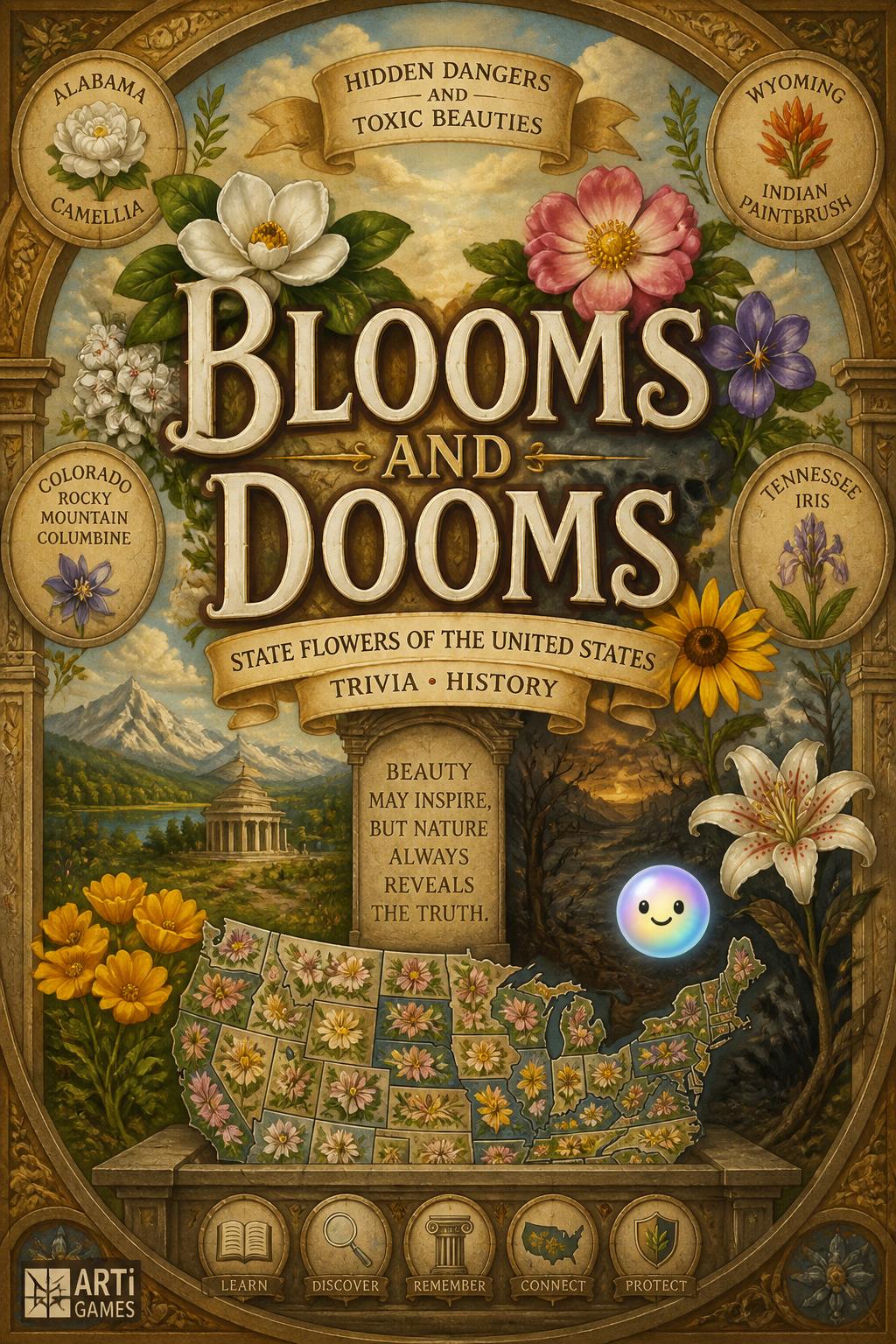
schopenhauer Match state flowers to historical events to discover the stories behind America's official symbols.
schopenhauer Explore the history and trivia behind West Virginia's toxic honey and its surprising connection to state flowers in this educational video.
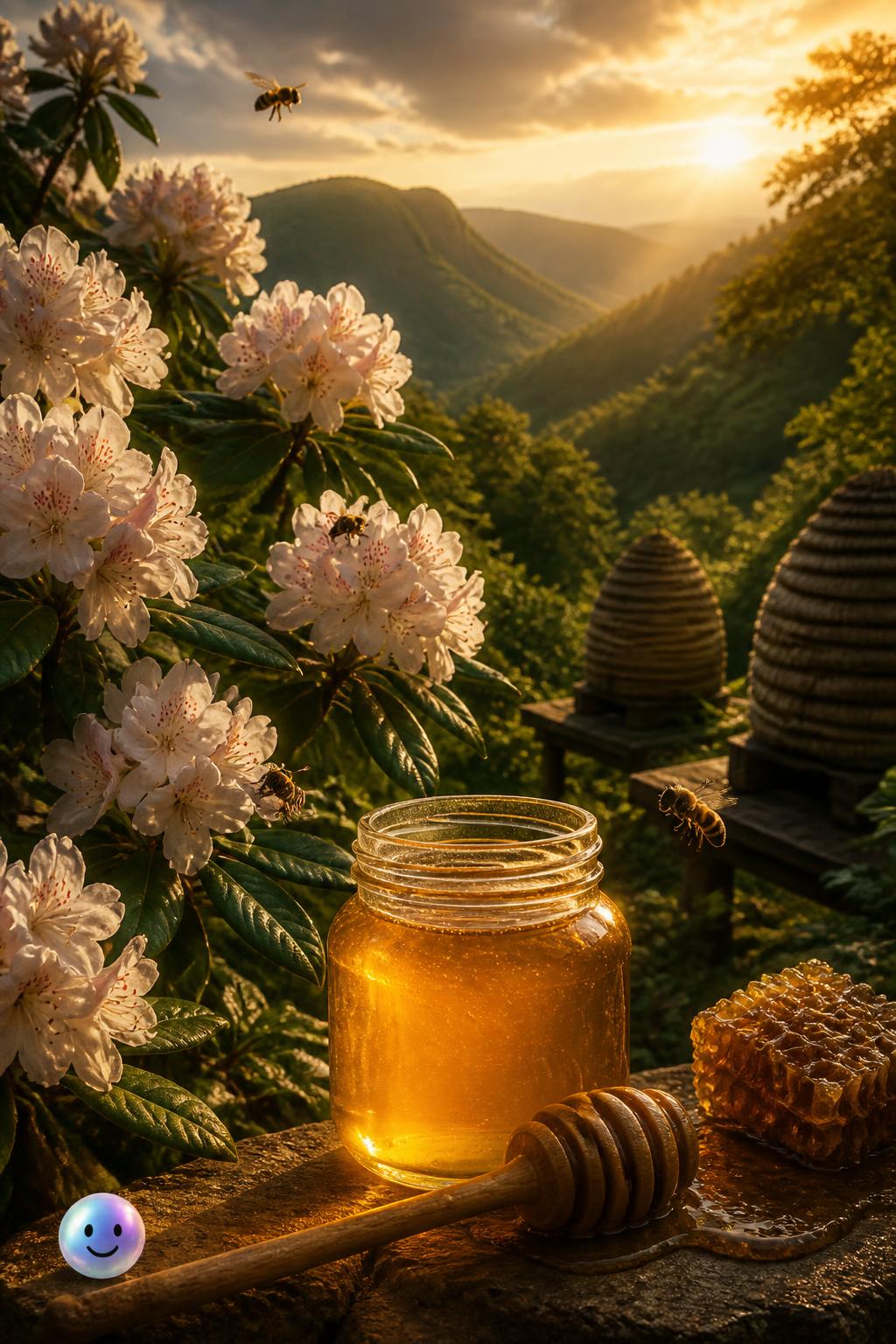
schopenhauer West Virginia's rhododendron produces a nectar that can turn honey into a poisonous hallucinogenic substance.
In what year did North Carolina officially adopt the flowering dogwood as its state flower?
What toxin in Connecticut's mountain laurel makes every part of the plant poisonous?
schopenhauer Carolina Jessamine
Gold petals climbing on the southern wall, But that sweet-tasting nectar is a trap for us all.
schopenhauer Discover the history and trivia behind North Carolina's state flower, the dogwood, and its connection to acidic soil in this educational video.
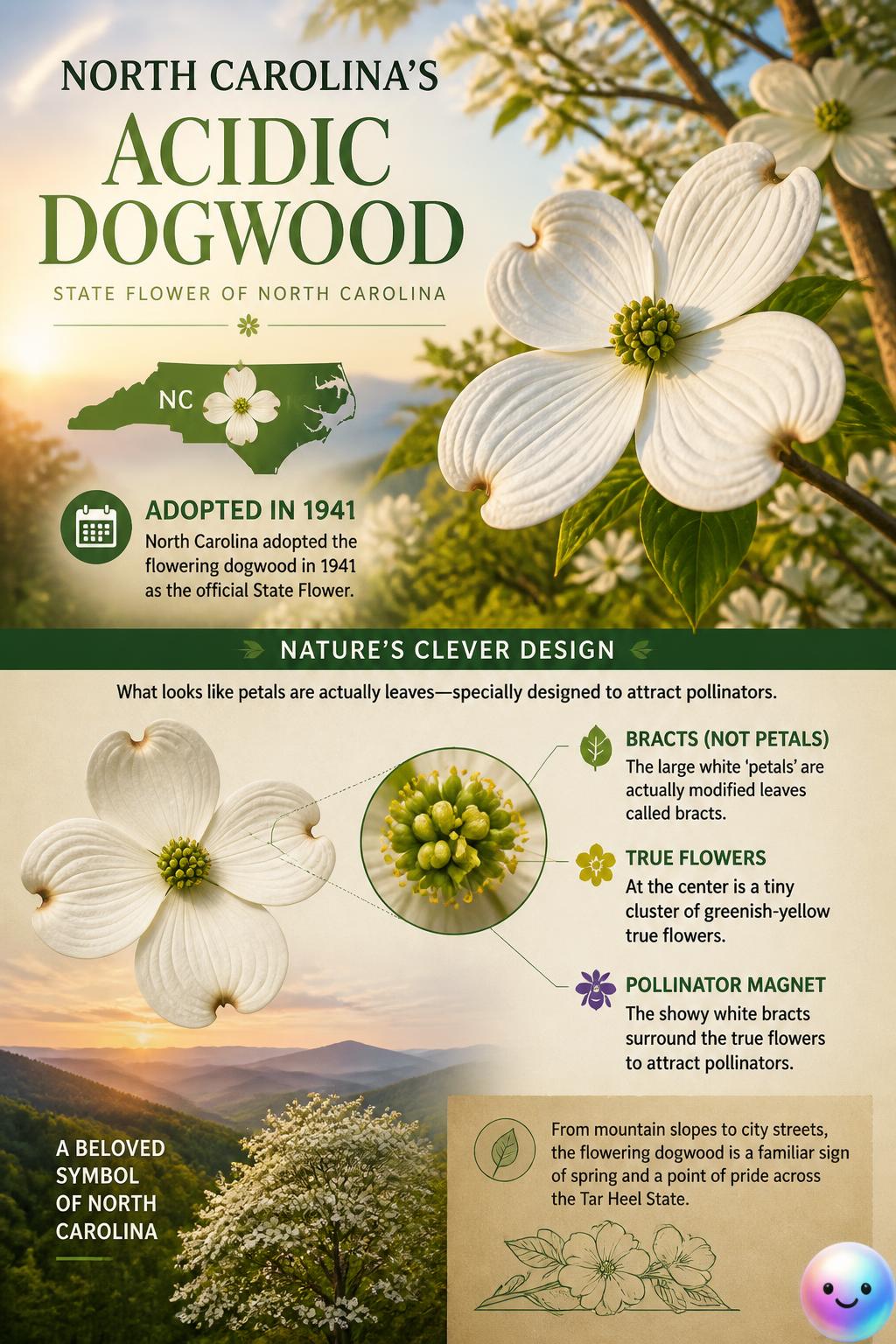
schopenhauer The beautiful white dogwood flower is actually made of fake petals designed to protect the true flower.
In 1895, how many peach trees did Delaware boast when it adopted the peach blossom?
What toxic chemical compound is found inside the seeds of Delaware's state flower, the peach blossom?
Mad honey: West Virginia's rhododendron produces toxins that can make honey hallucinogenic and poisonous to humans.

schopenhauer Explore the fascinating history and toxic secrets of the mountain laurel. Watch to discover the deadly trivia behind this beautiful US state flower.
Which state adopted the highly toxic mountain laurel as its official floral emblem in 1907?
What are the large white 'petals' of North Carolina's flowering dogwood botanically classified as?
A poisonous substance produced by a living organism that is capable of causing disease or harm. South Carolina adopted the yellow jessamine, which contains this deadly toxin, as its state flower in 1924.