
Chapter 1
The spark of the oral tradition
Chapter 2
Ink, clay, and the written revolution
Chapter 3
The magic of the mass media
Chapter 4
The digital age and interactive screens
Ch 3 · The magic of the mass media
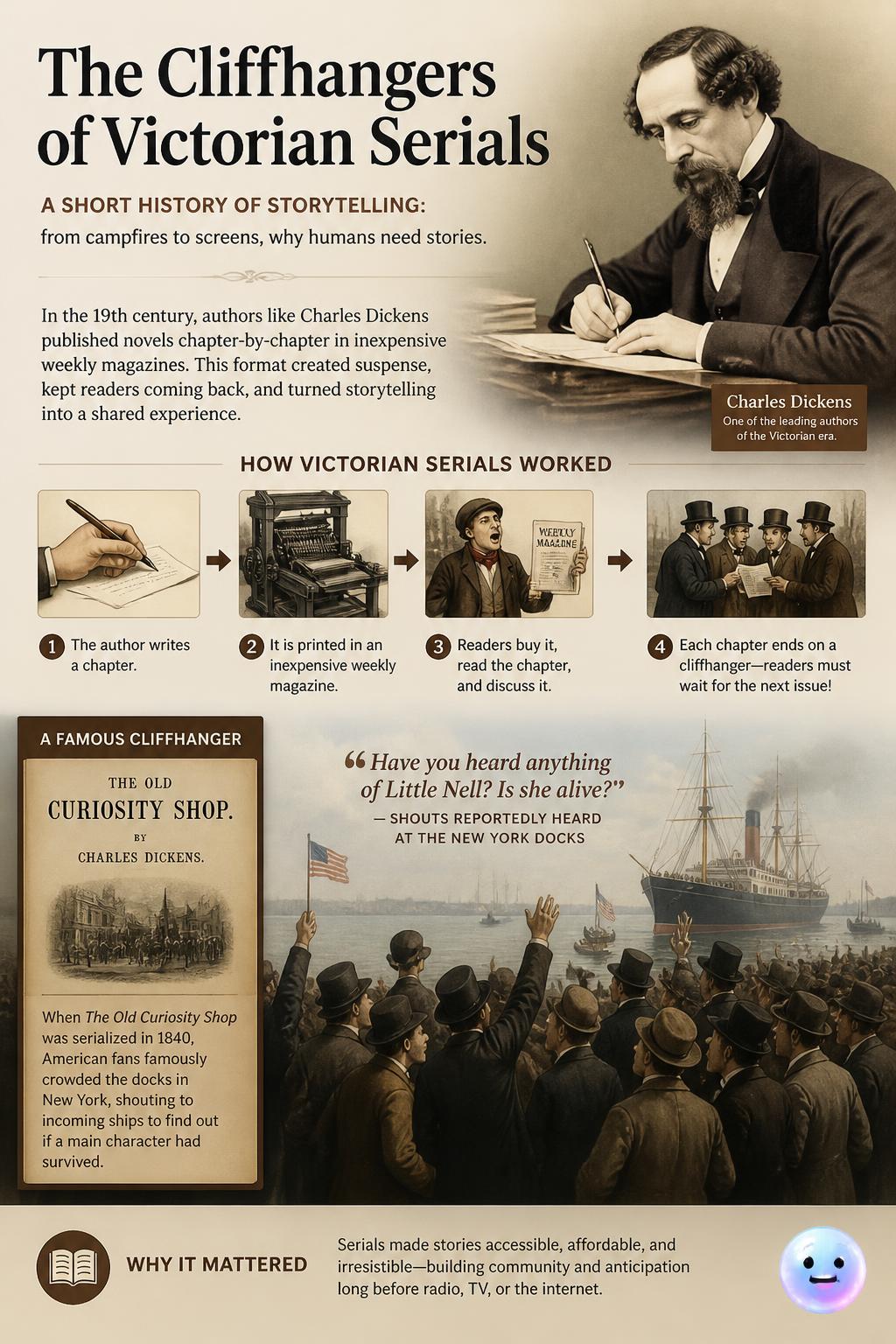
disney In 1840, American fans crowded New York docks, shouting to incoming ships to learn if a character in The Old Curiosity Shop survived.
Quiz
How did the serialization of Victorian novels in newspapers change how audiences consumed stories?
Quiz
Which 1840 Charles Dickens novel caused American fans to crowd New York docks to ask incoming sailors about a character's fate?
BETA
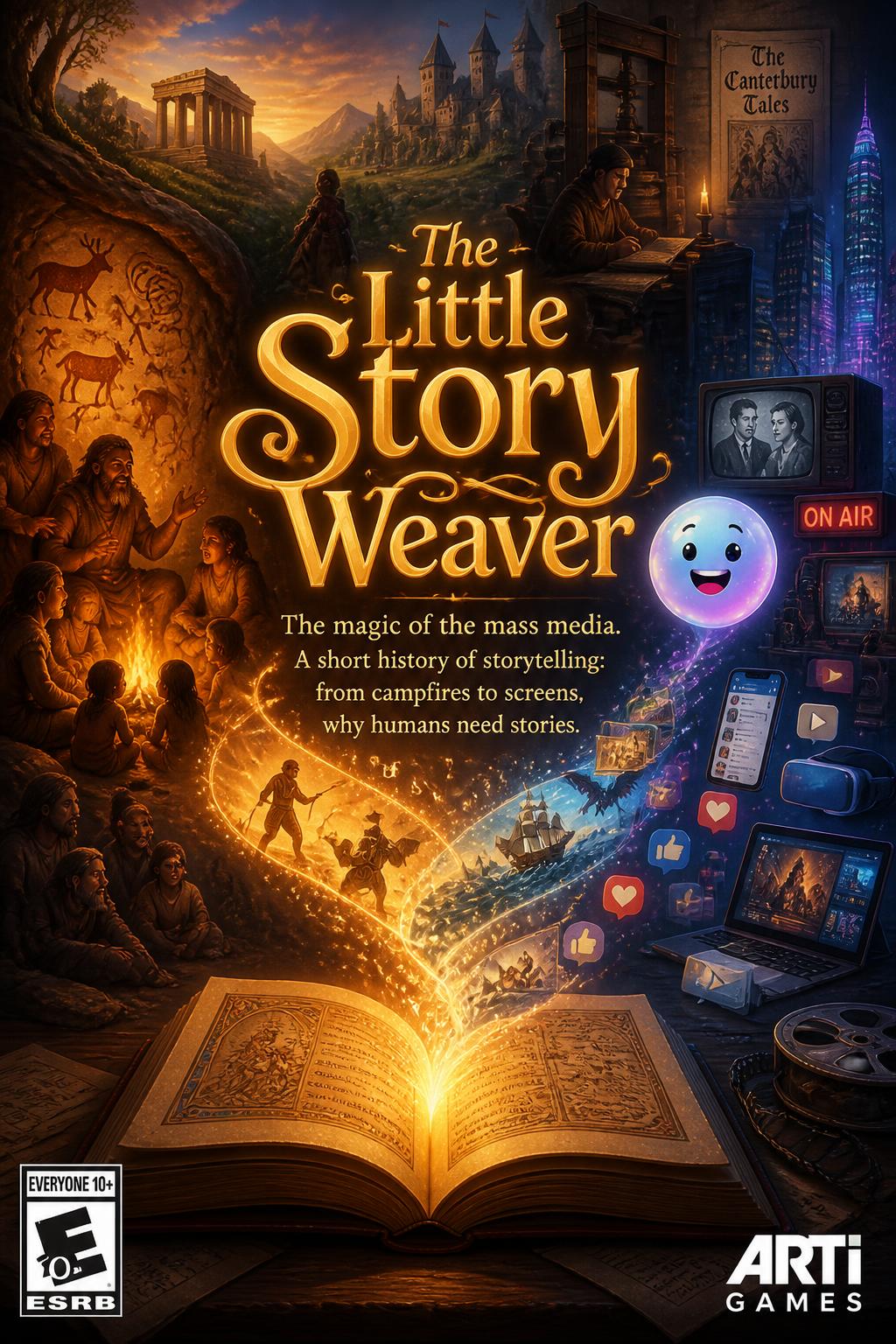
disney Sort storytelling tools from campfires to screens to discover why humans need to share stories.
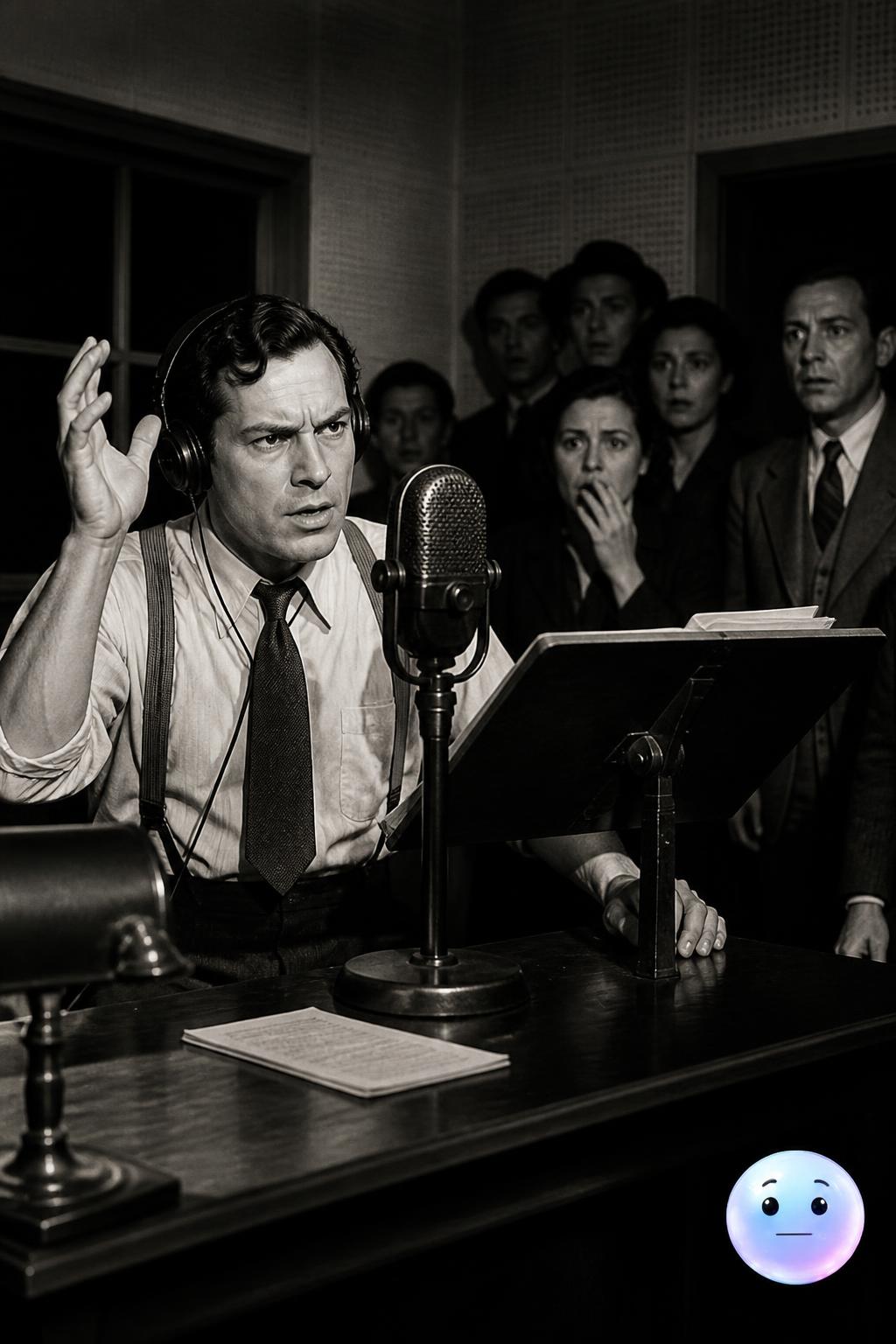
disney During the 1930s, radio dramas used live sound effects to build invisible theaters
Quiz
What technique did early radio dramas use to help listeners visualize complex scenes without any screens?
Quiz
Who directed and narrated the famous 1938 radio broadcast of The War of the Worlds that caused widespread public panic?
Quiz
Which French film pioneer directed the groundbreaking 1902 silent science-fiction film A Trip to the Moon?
Quiz
Why were early silent films exceptionally effective at reaching diverse, international audiences?
Fun Fact
Sound effects magic: Early radio sound artists, called Foley artists, used cellophane wrappers to mimic the sound of a crackling fire and cups to mimic horse hooves.
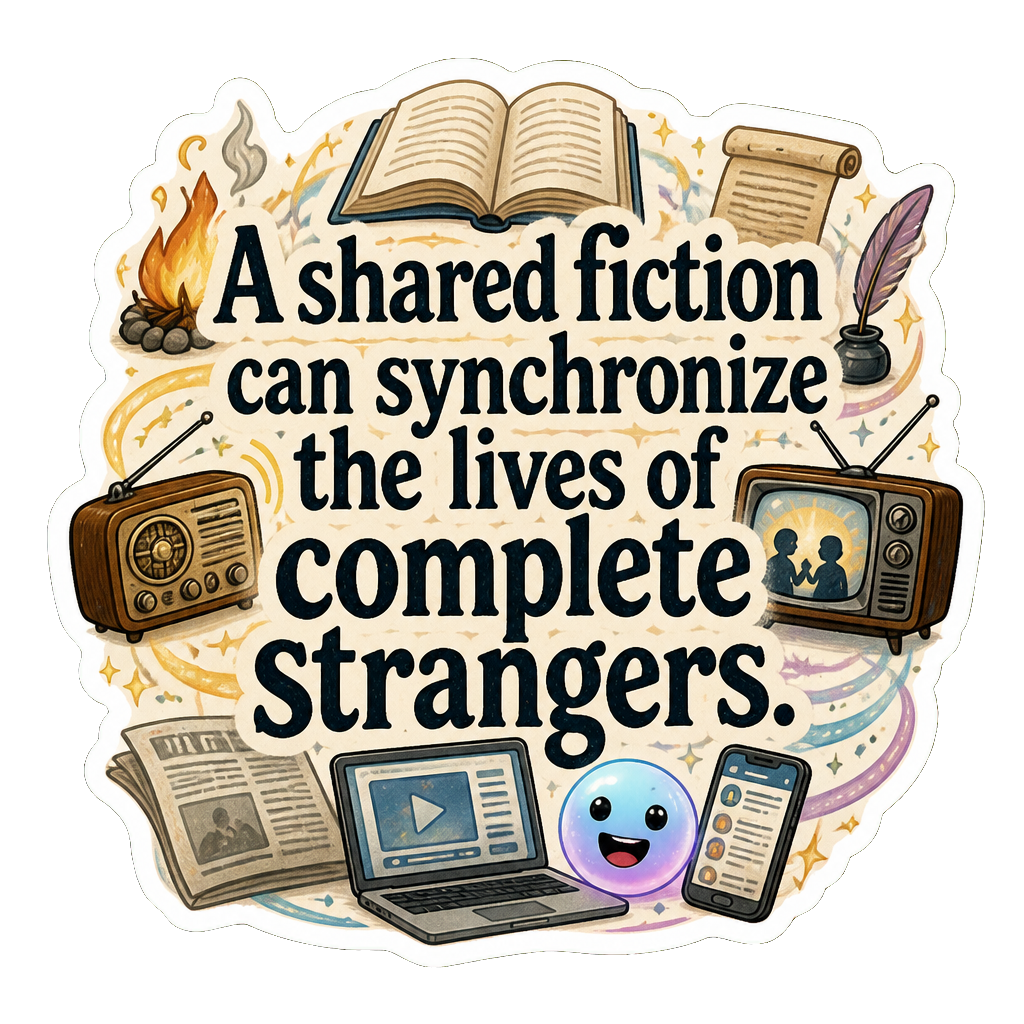
disney Hit shows like I Love Lucy drew millions of families to their screens, reshaping daily American schedules
disney The Electronic Hearth
Gather 'round the glow! Gather 'round the glow! We've got a brand new campfire tonight!
Quiz
Which highly popular 1950s American sitcom regularly drew tens of millions of simultaneous viewers, shaping early television culture?
Quiz
In what major way did television change family social habits in the mid-20th century?
Glossary
mass media (noun)
The primary methods of communication, such as television and radio, used to reach a large audience. Johannes Gutenberg pioneered this storytelling era by inventing the printing press in Germany around 1440.
The primary methods of communication, such as television and radio, used to reach a large audience. Johannes Gutenberg pioneered this storytelling era by inventing the printing press in Germany around 1440.