The art of the fake artifact
When the media fooled the world
Nature and creatures that never were
Modern digital deceptions
schopenhauer Japanese fishermen made Fiji's half-monkey, half-fish by sewing a monkey torso onto a fish tail.
In what decade did Doug Bower and Dave Chorley admit to creating crop circles?
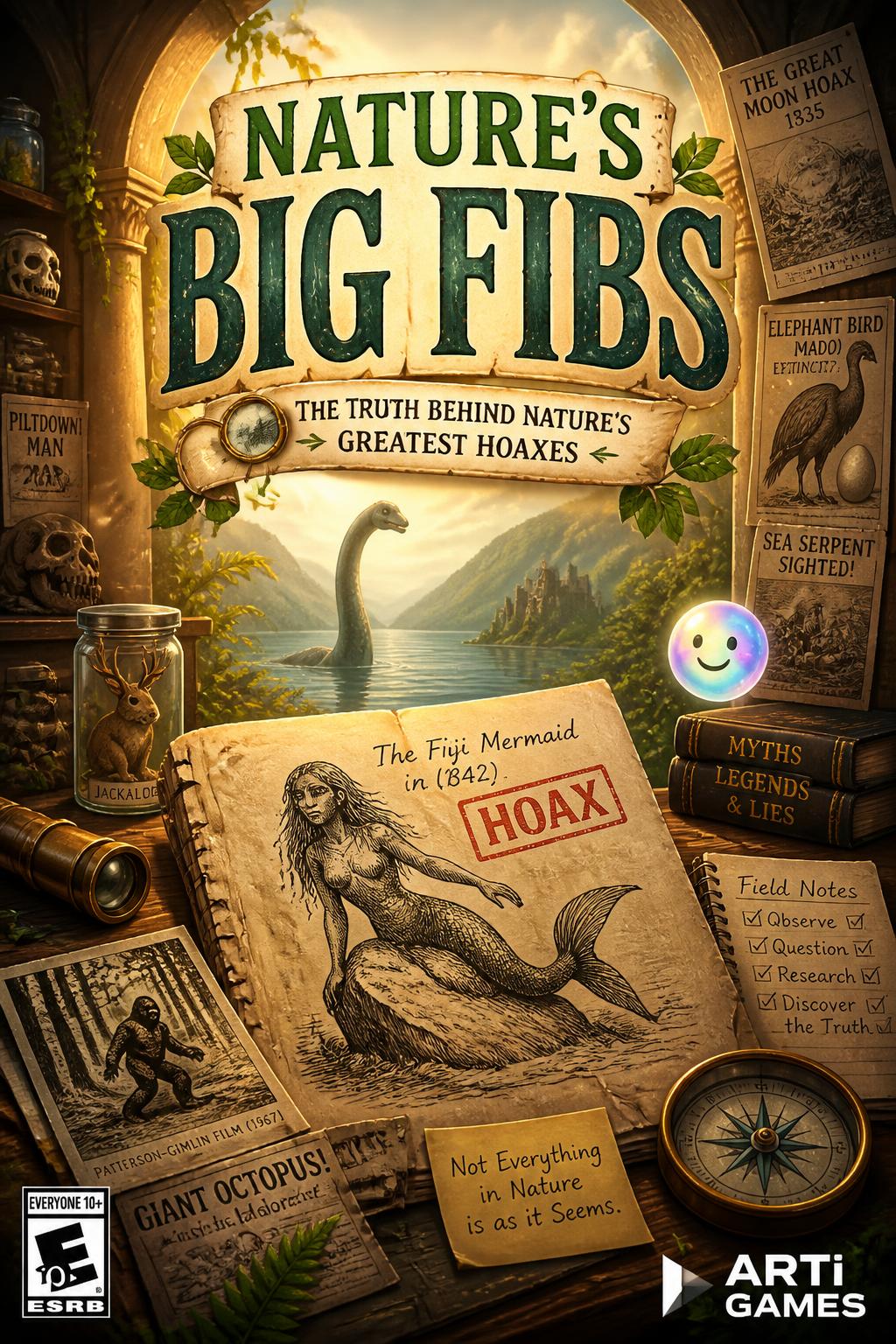
schopenhauer Sort the real animals from the fakes to discover history's most famous nature hoaxes.
schopenhauer Watch this video to explore the story of the magical fairies of Cottingley, one of the most famous historical hoaxes and trivia mysteries.
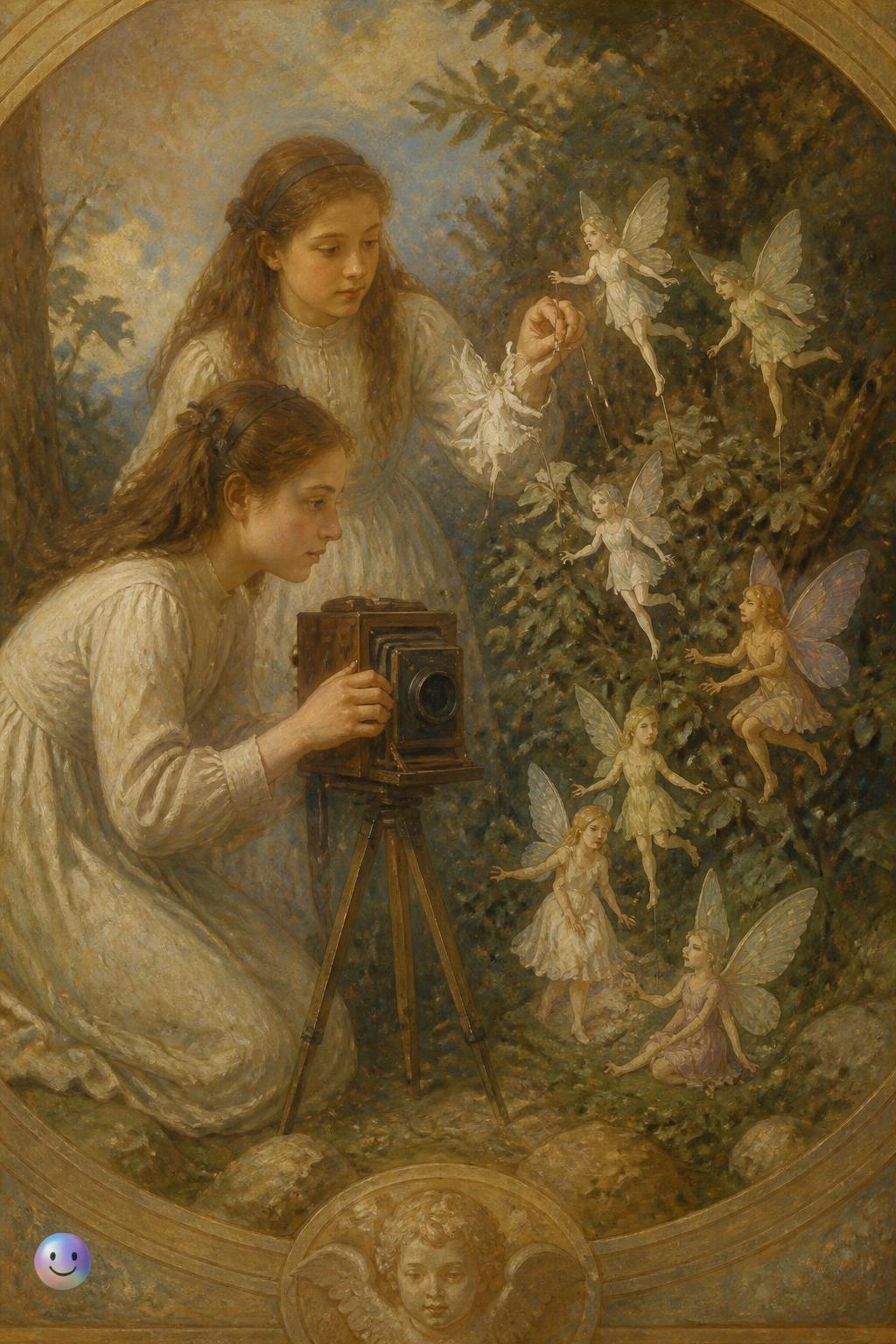
schopenhauer Two young cousins in England fooled the world, including author Sir Arthur Conan Doyle, with photographs of fairies dancing in their garden.
What town in Wyoming became the self-proclaimed 'Jackalope Capital' of the world?
Fairy book defense: Sherlock Holmes creator Sir Arthur Conan Doyle was so convinced by the Cottingley Fairies photos that he wrote an entire book defending their existence.
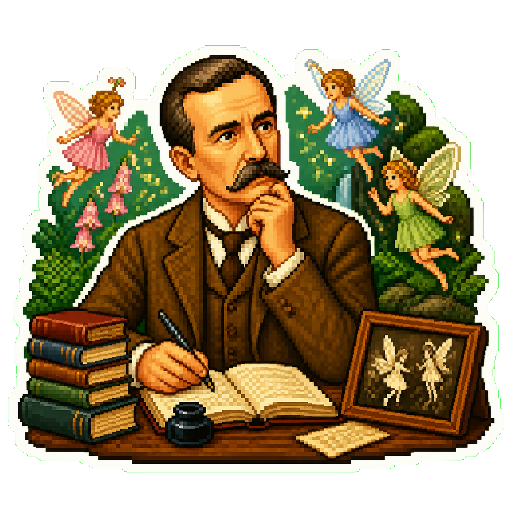
schopenhauer Douglas Herrick made the first jackalope in 1932, inspired by real rabbits with horn-like tumors.
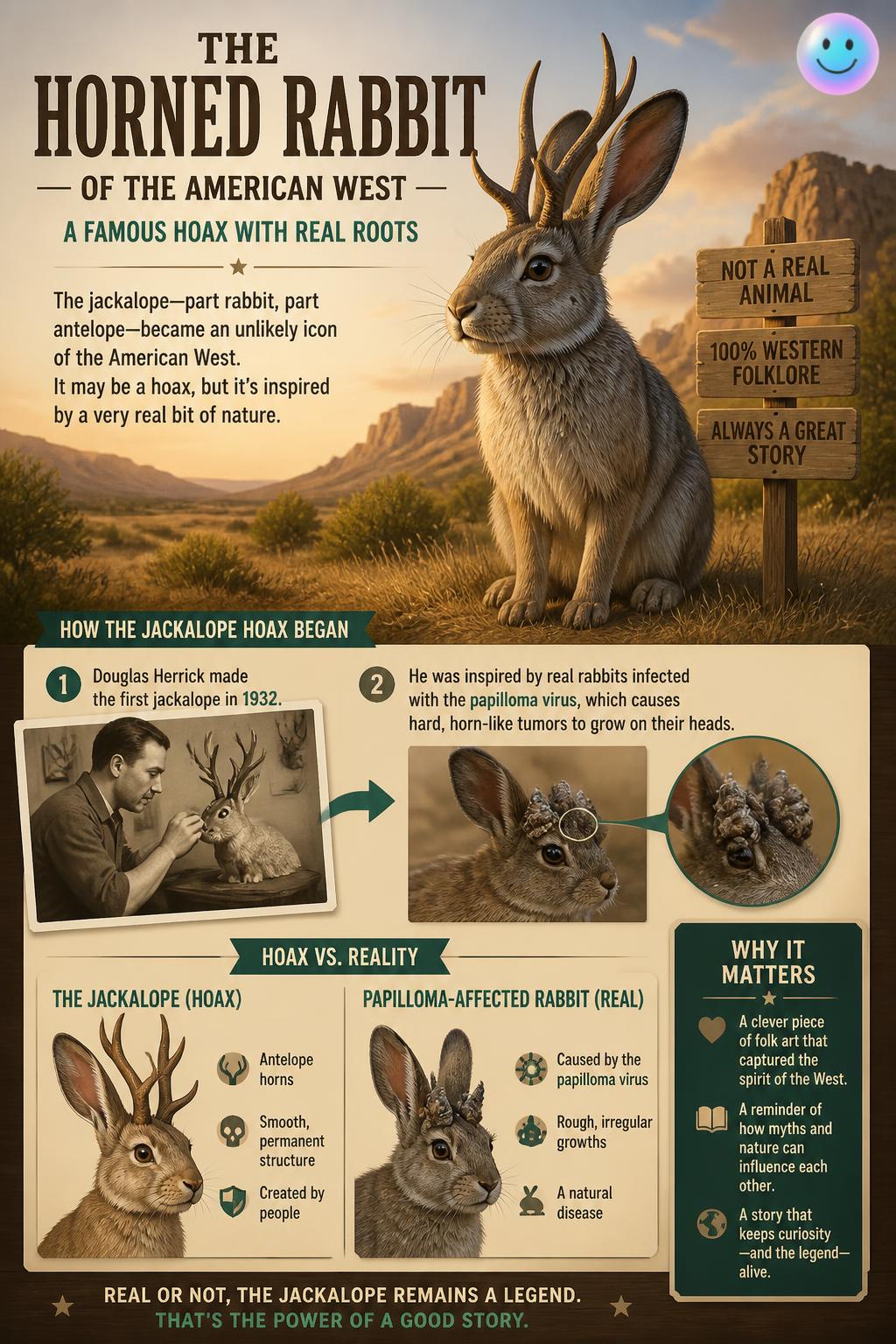
schopenhauer A taxidermist in Wyoming created a legendary American monster by grafting deer antlers onto a rabbit's head, sparking decades of folklore.
A legendary marine creature with the head and torso of a human and the tail of a fish. In 1842, P.T. Barnum exhibited a taxidermy hoax known as the Fiji Mermaid in New York.

schopenhauer Explore the mystery of crop circles in this video. Learn the history of one of the world's most famous hoaxes and the trivia behind these patterns.
In which country did the Fiji Mermaid hoax originate before coming to America?