Chapter 1
The mystery of midnight blossoms
Chapter 2
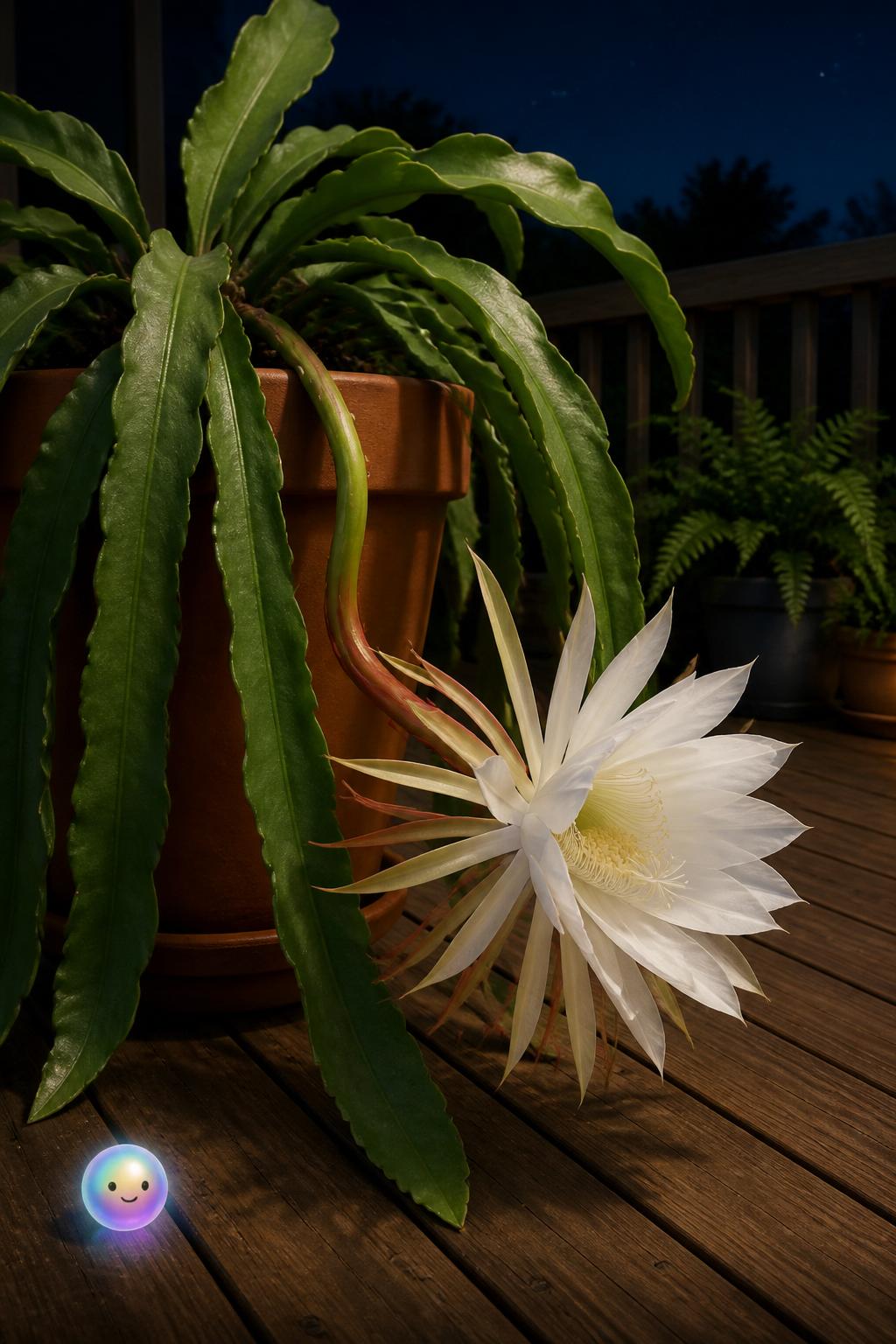
Queen of the night and her cactus kin
Chapter 3
The rapid magic of the moonflower
Ch 1 · The mystery of midnight blossoms
bolita Discover how night-blooming flowers use pale petals as natural mirrors to catch moonlight and attract nighttime pollinators.
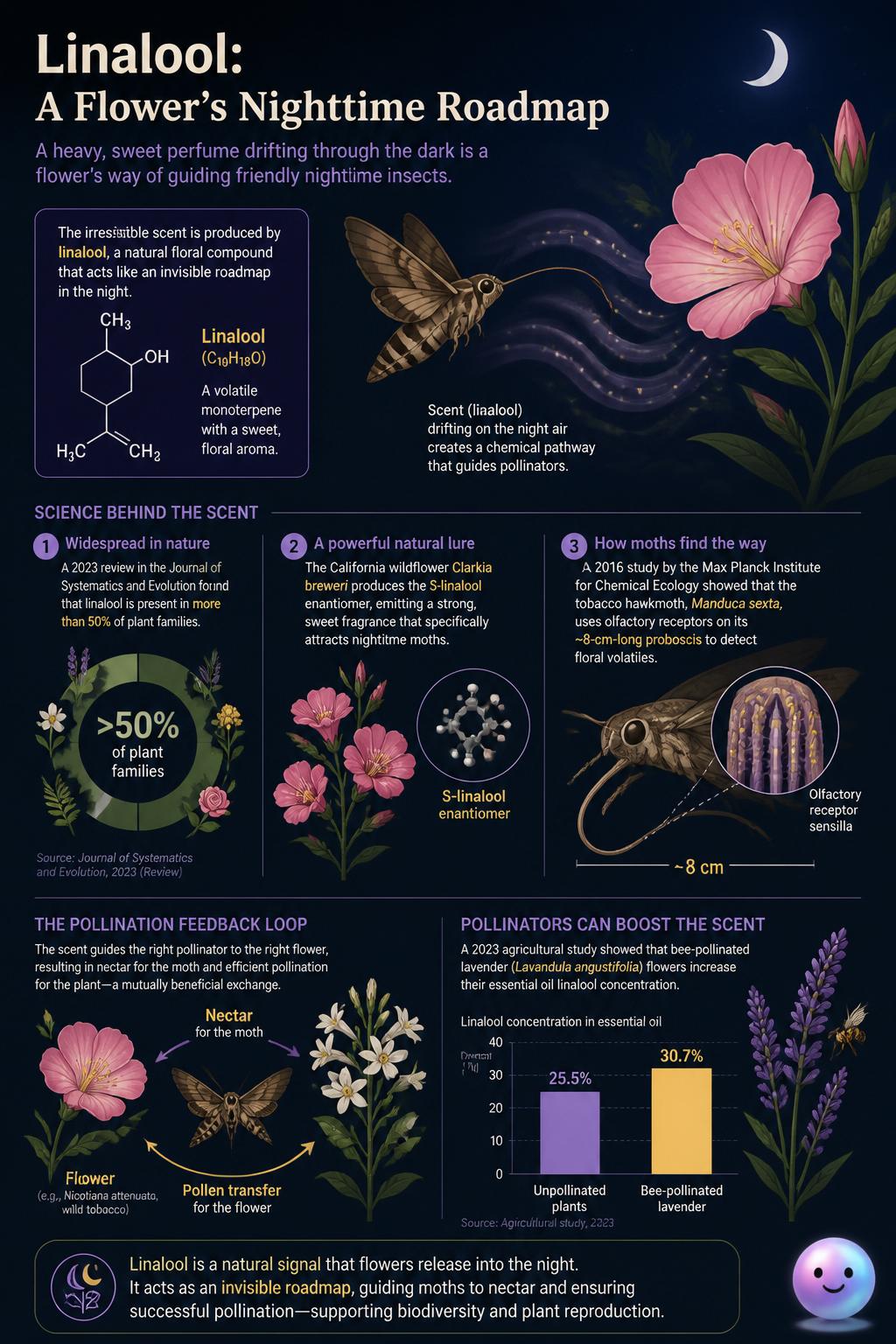
bolita See how flowers use the natural compound linalool to create invisible, scented roadmaps that guide friendly nighttime insects in this infographic.

Quiz
Which nocturnal mammal is essential for pollinating giant night-blooming cacti in North American deserts?
BETA
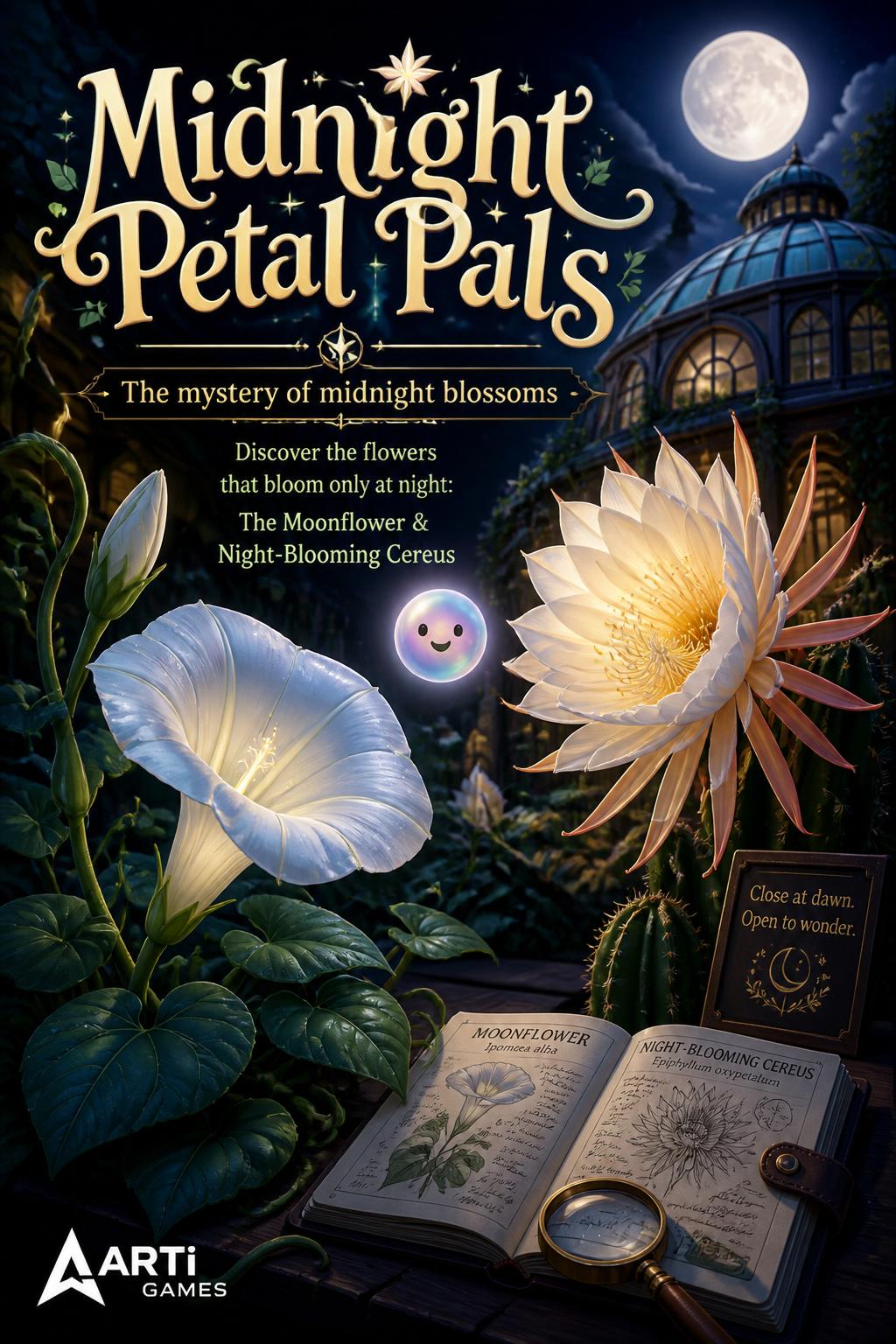
artiteacher Match nocturnal pollinators to glowing buds to discover how moonflowers and night-blooming cereus survive.
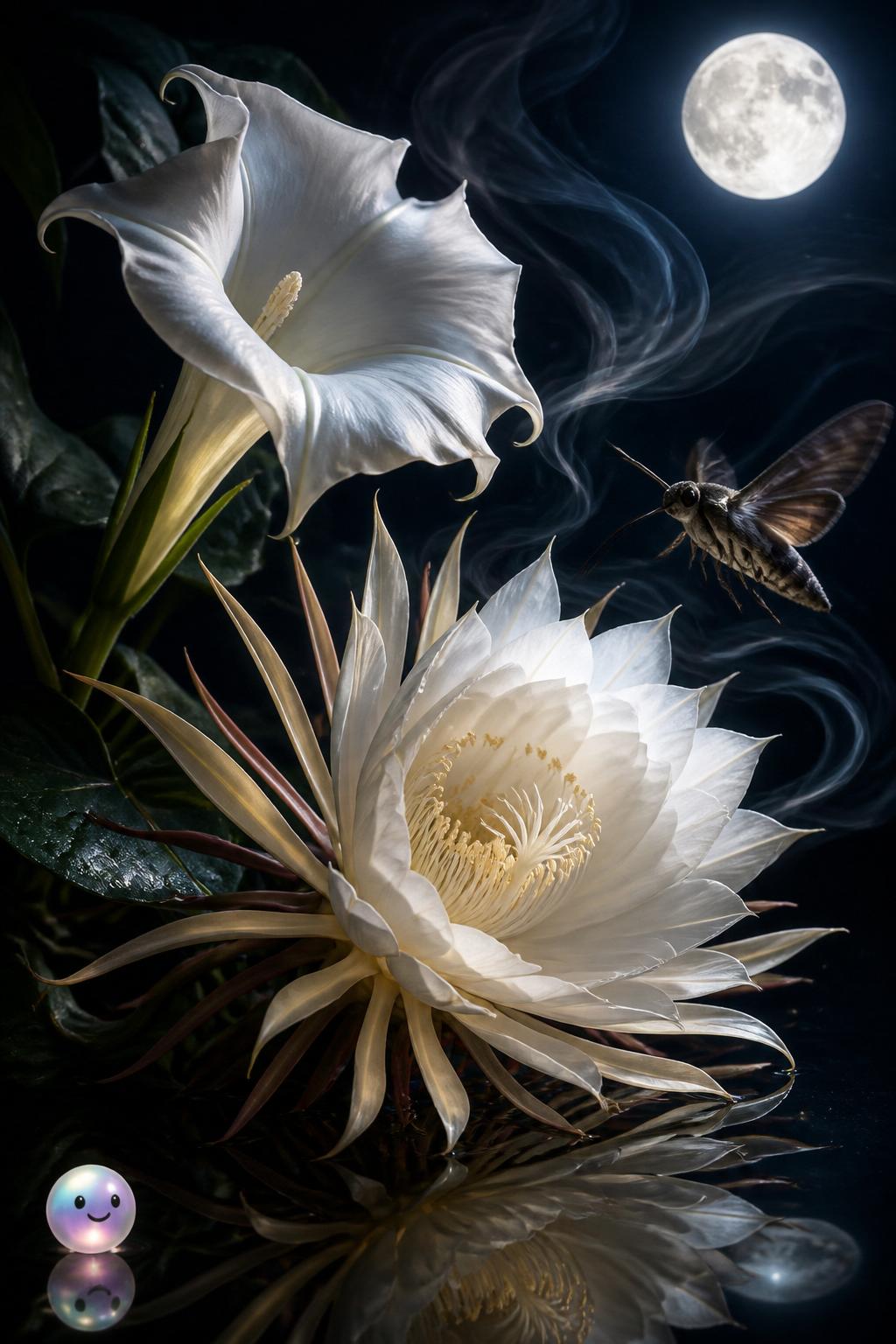
artiteacher Night-blooming flowers emit intense, sweet scents containing specific chemical compounds to guide pollinators through pitch-black darkness.
Quiz
What is the main resource conservation benefit for desert plants blooming at night?
Quiz
How far can the scent of some night-blooming flowers travel to attract pollinators?
artiteacher The mystery of midnight blossoms
We wake up when the moon comes out (oh-oh!) / One single night is what it's all about (yeah!)
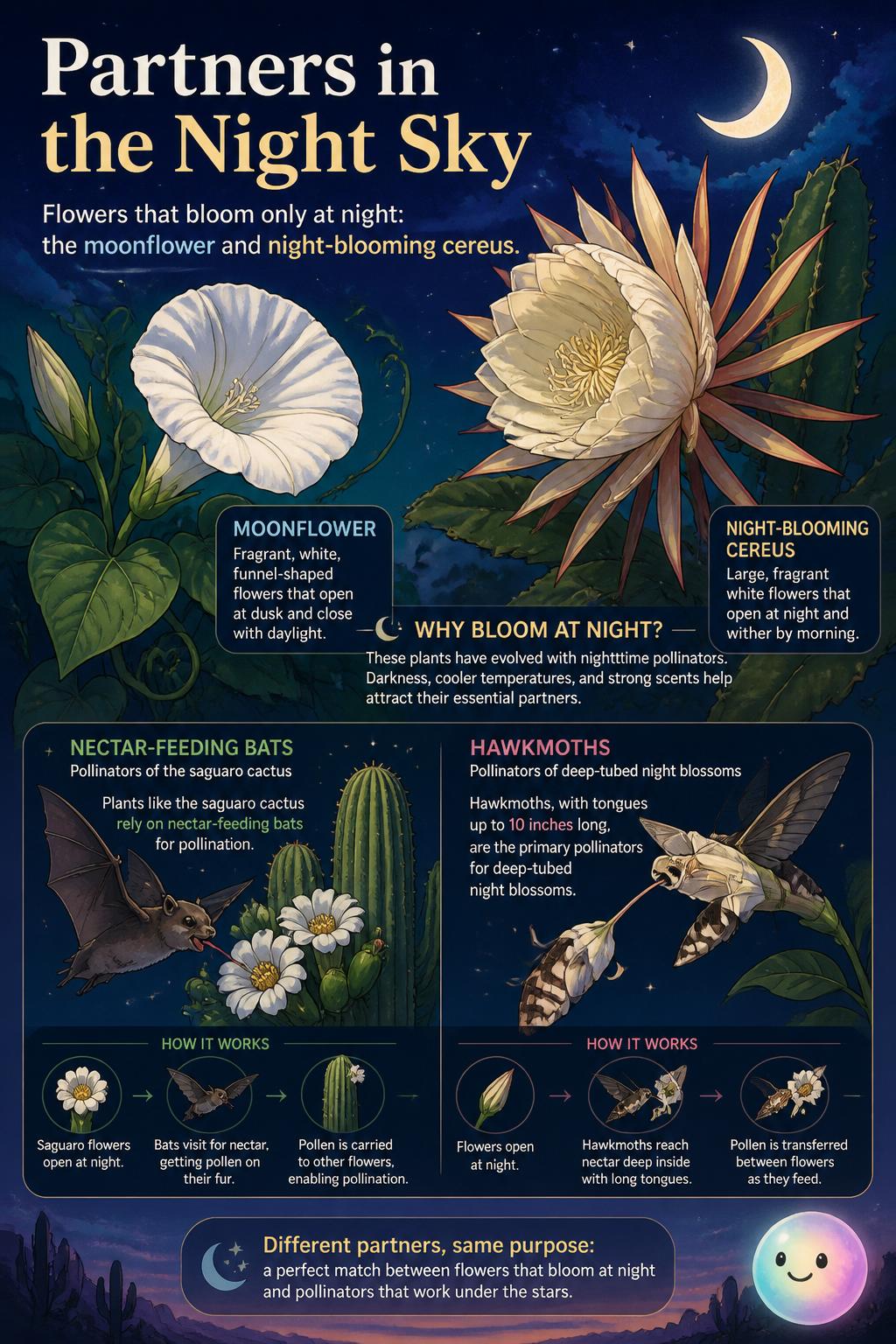
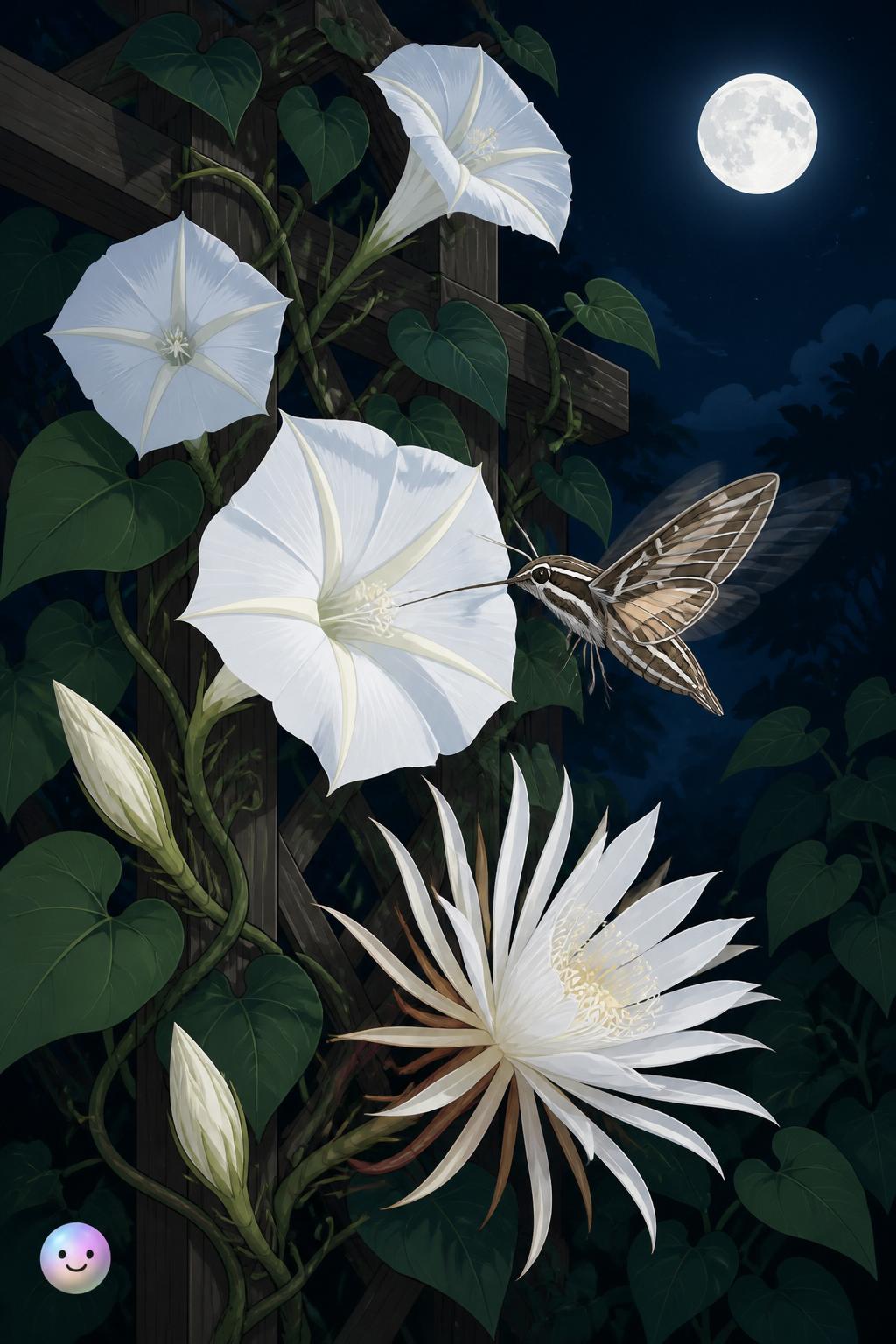
artiteacher Nocturnal flowers rely on specialized relationships with bats and moths that have evolved alongside them.
Quiz
What is the scientific term for plants that open their flowers at night and close them by day?
Fun Fact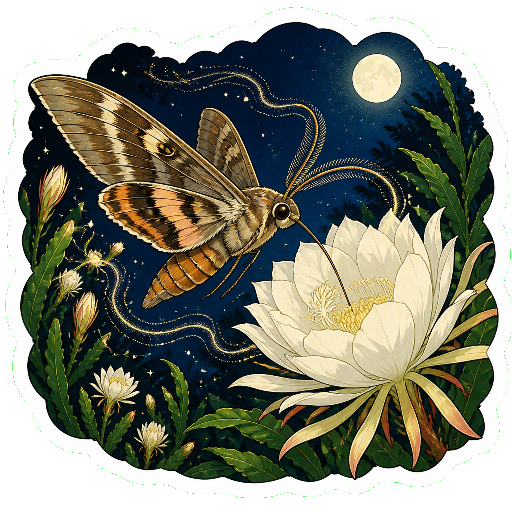
Nocturnal navigation: Hawkmoths can detect the scent of a single night-blooming flower from miles away using their sensitive antennae.
Quiz
Which chemical compound is commonly responsible for the sweet scent of night-blooming flowers?
Glossary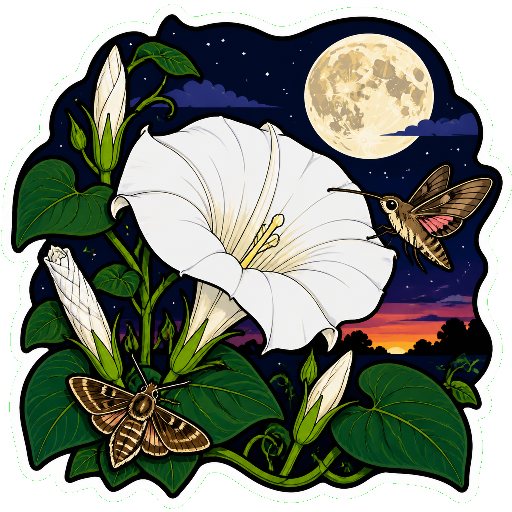
vespertine (adjective)
Relating to, occurring, or blooming in the evening. The moonflower exhibits this behavior, unfurling its large white blossoms at sunset to attract nocturnal pollinators.
Relating to, occurring, or blooming in the evening. The moonflower exhibits this behavior, unfurling its large white blossoms at sunset to attract nocturnal pollinators.