The birth of pointillism
A Sunday on La Grande Jatte
The science of optical mixing
A short life and lasting legacy
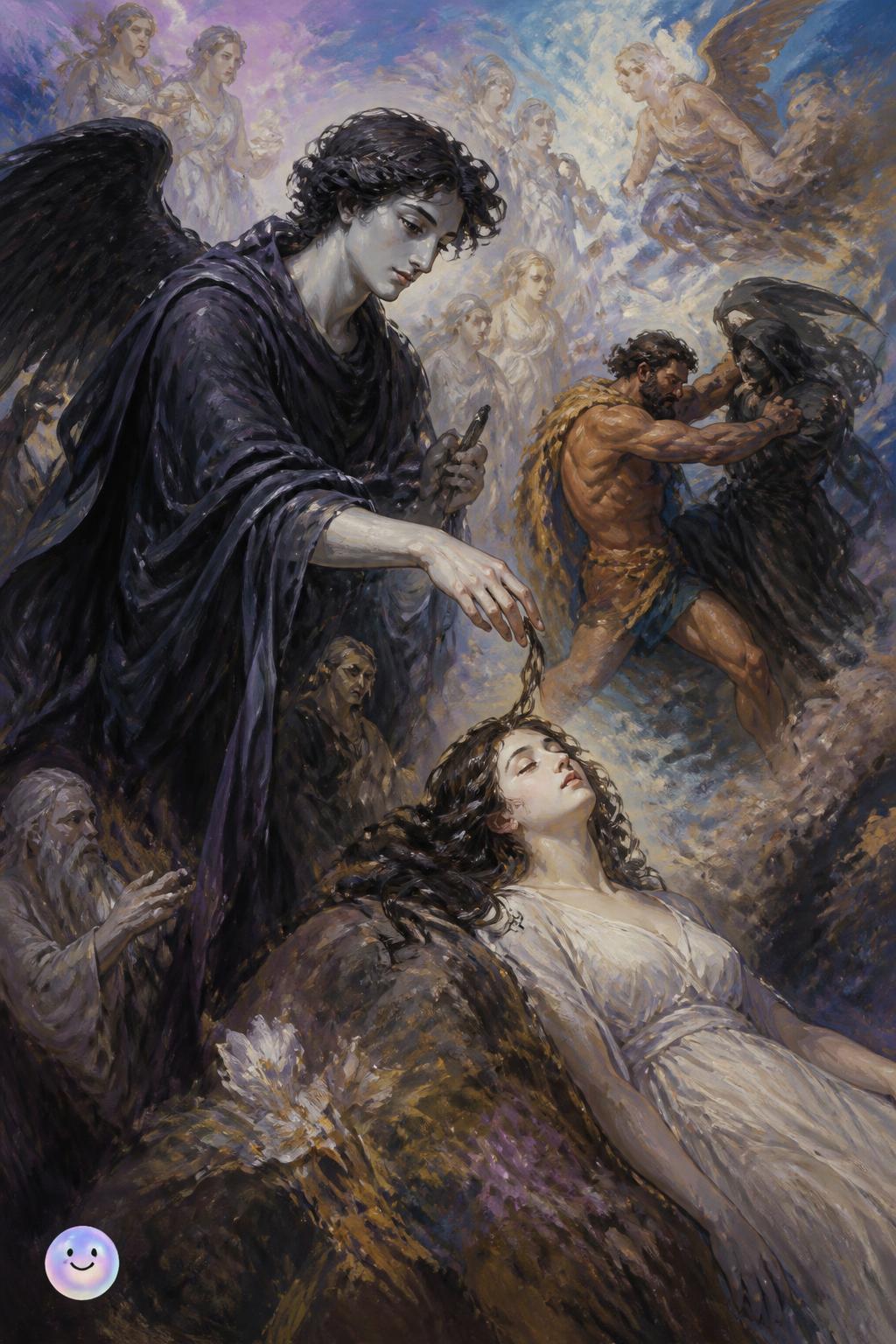
schopenhauer Georges Seurat painted tiny dots of pure color, which your eyes naturally blend into shimmering pictures.
How does divisionism differ from traditional color mixing on an artist's palette?
What happens when you place complementary colors like red and green directly next to each other?
Which of these color pairs is a set of complementary colors used by Georges Seurat?
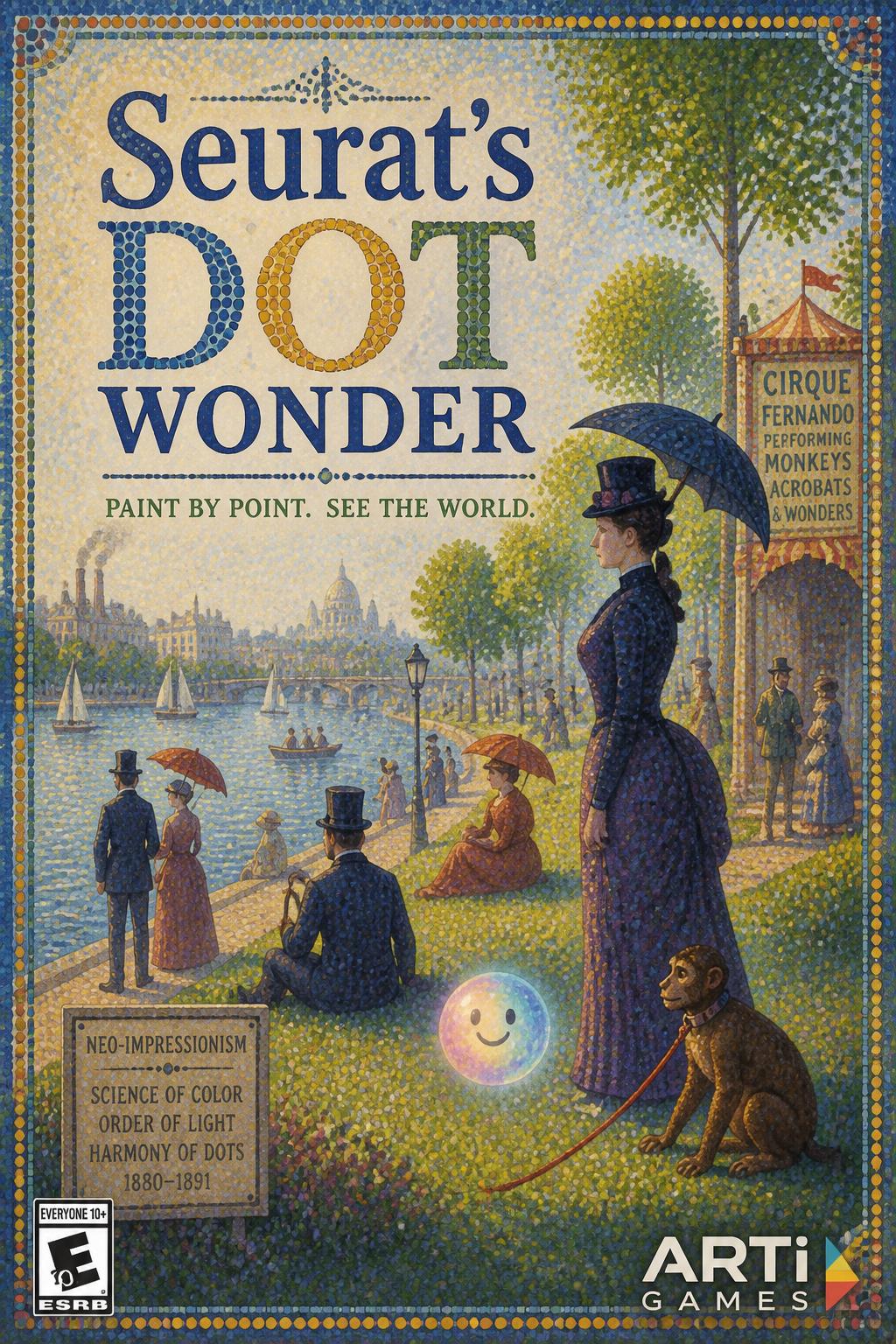
schopenhauer Place tiny dots of color to discover how Seurat painted his vibrant masterpieces.
schopenhauer Seurat placed complementary colors next to each other to replicate the glowing effect of natural sunlight.
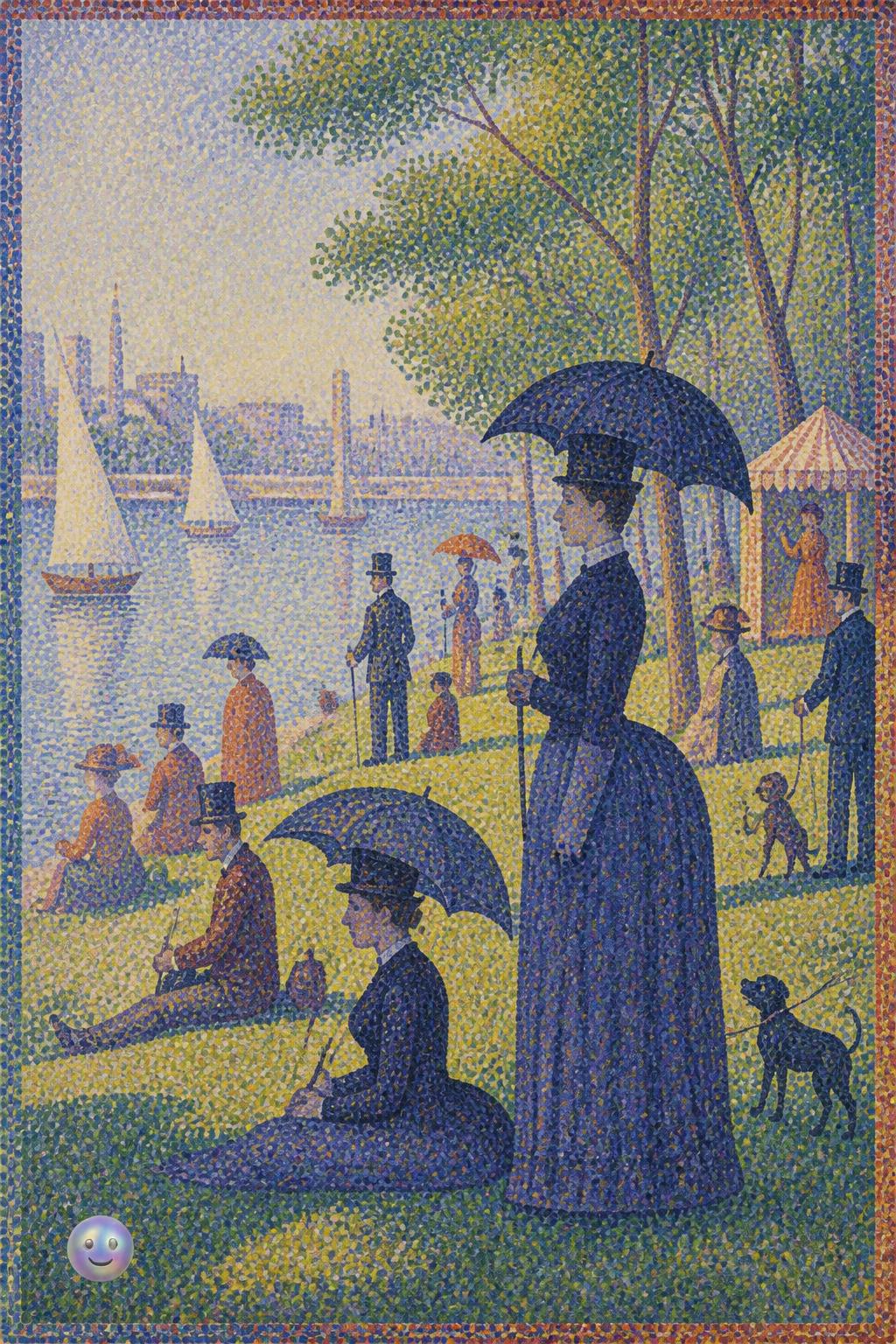
schopenhauer Seurat used pairs of opposite colors to make his paintings vibrate with light and energy.
Which American physicist wrote 'Modern Chromatics', a book that Georges Seurat studied intensely?
What type of lighting did Georges Seurat prefer in his studio to ensure accurate color mixing?
schopenhauer Optical Mixing
Side by side, side by side They're blending in your mind!
schopenhauer Critics mocked Seurat's dots as Pointillism, but he preferred Divisionism to focus on scientifically dividing color.
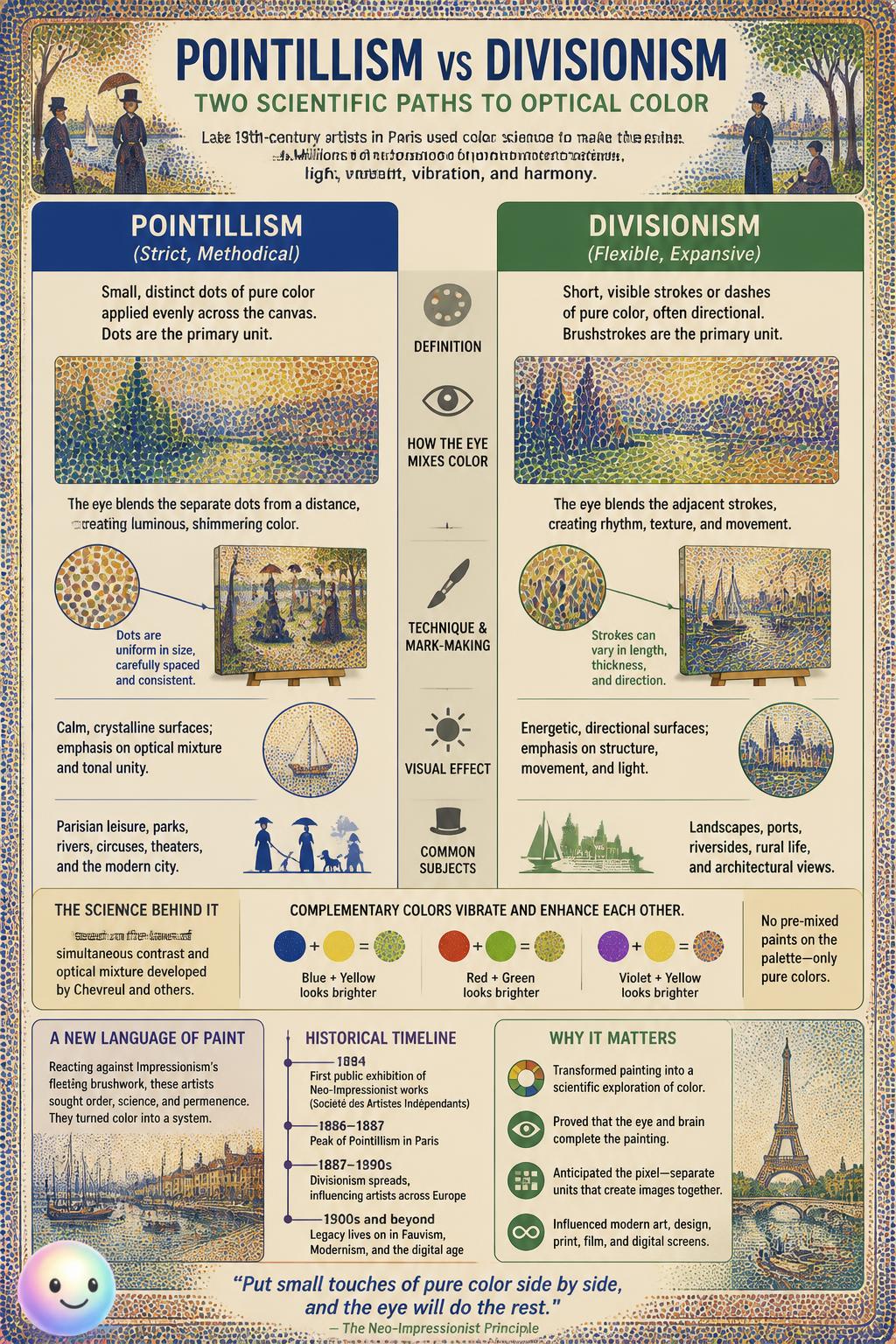
schopenhauer While critics called his style pointillism, Seurat preferred divisionism to emphasize his scientific method.
What color did Georges Seurat avoid using on his canvases to keep his colors vibrant?
What is the term for the optical phenomenon where the eye blends neighboring color dots together?
No black paint: Seurat avoided using pure black paint, preferring to create dark tones by mixing complementary colors.
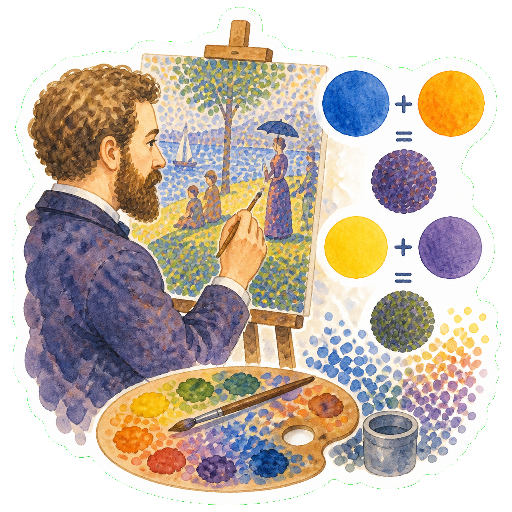
A painting technique in which small, distinct dots of color are applied in patterns to form an image. Georges Seurat pioneered this method in 1886 to blend pigments within the viewer's eye.