Ancient origins and sacred roots
Island signatures and natural emblems
The art of the weave
Modern revival and the spirit of Aloha
torito Modern lei makers use a long steel needle, often up to 12 inches, to pierce flowers like plumeria or orchids.
What does the Hawaiian word 'haku' literally translate to in the context of composition and arrangement?
In the wili technique of lei making, how are the flowers and leaves secured to the backing?
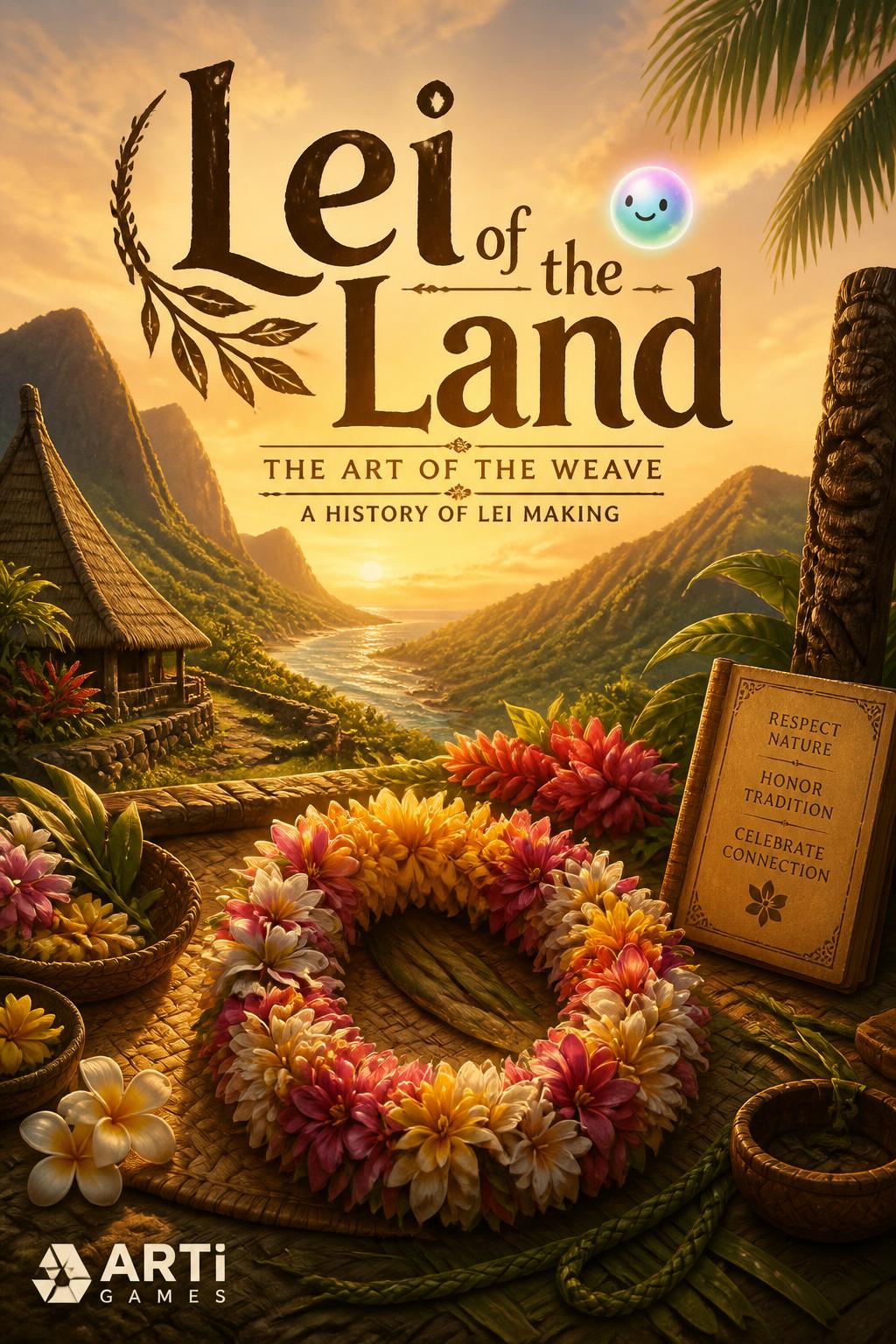
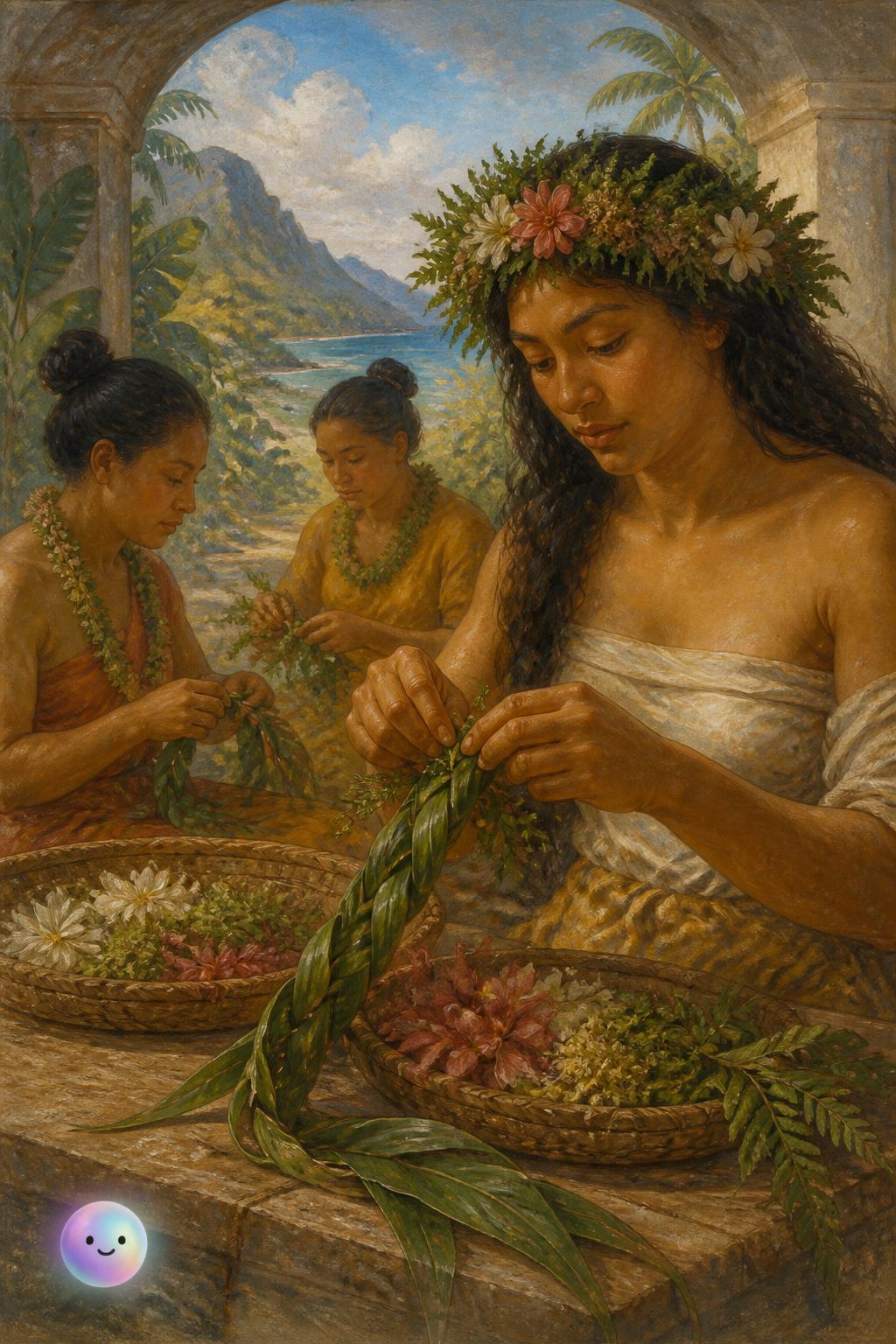
torito The haku technique involves braiding flowers and leaves onto a central backing of natural fibers.
Which method is commonly used to create the beautiful, thick, and durable crown-like leis worn around the head?
Why are ti leaves often softened over a flame or frozen before being used in lei-making techniques?
torito Traditional Lei Art
Ancient roots run deep! Ancient roots run deep! From Polynesia, leis were born of shell, feather, seed, and bone!
torito In the wili method, a base material like a ti leaf is wrapped tightly with raffia or bark cord.
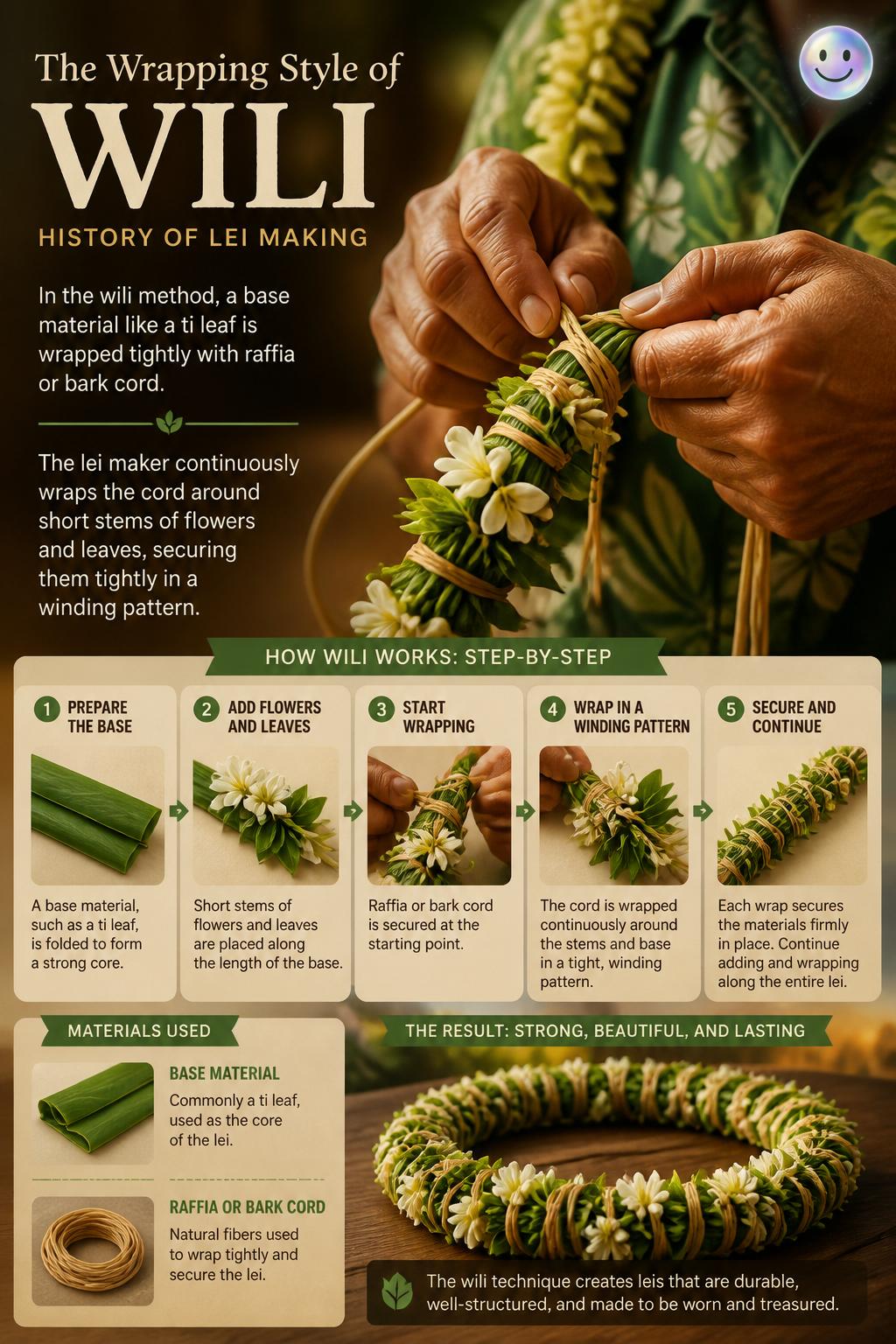
torito Wili uses a continuous thread or fiber to wrap and secure materials to a central backing.
What makes the hili technique distinct from other traditional Hawaiian lei-making methods?
What kind of base or backing material is traditionally used when creating a braided haku lei?
The giant needle: A traditional lei needle, called a mānai, can be over a foot long and was historically carved from coconut frond midribs or bamboo.
torito Typically made using ti leaves or kaunaʻoa vines, hili requires braiding three or more strands of the same plant together.
How long is a typical steel lei needle (mānai) used by modern lei makers to string flowers?
Which lei-making technique involves sewing flowers end-to-end or side-to-side using a long needle and thread?
A pattern or method of interlacing strands of flexible material to form a cohesive structure. In Hawaii, makers traditionally employ this technique to construct intricate haku and wili floral garlands.