The birth of the useless masterpiece
Cataloging the bizarre categories of Tomasson
The court case that shook Japanese art
Spotting hyperart in the wild today
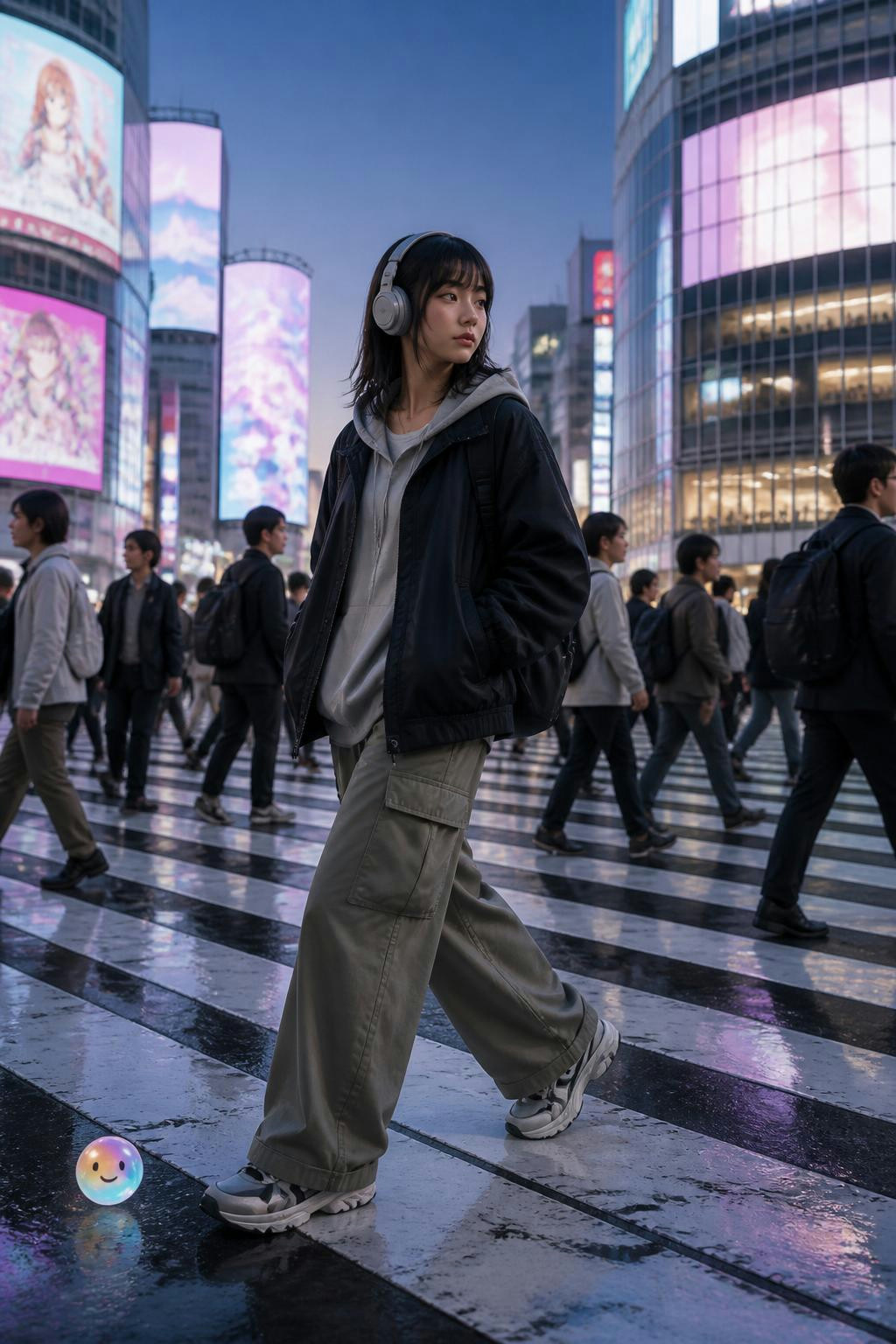
choko Genpei Akasegawa's Hyperart was inspired by the Yotsuya Staircase, a repaired structure leading to a solid wall.
What was the name of the Japanese magazine where Genpei Akasegawa first published reader photos of Tomassons?
The artistic term 'Tomasson' was named after Gary Thomasson, who worked in which profession?
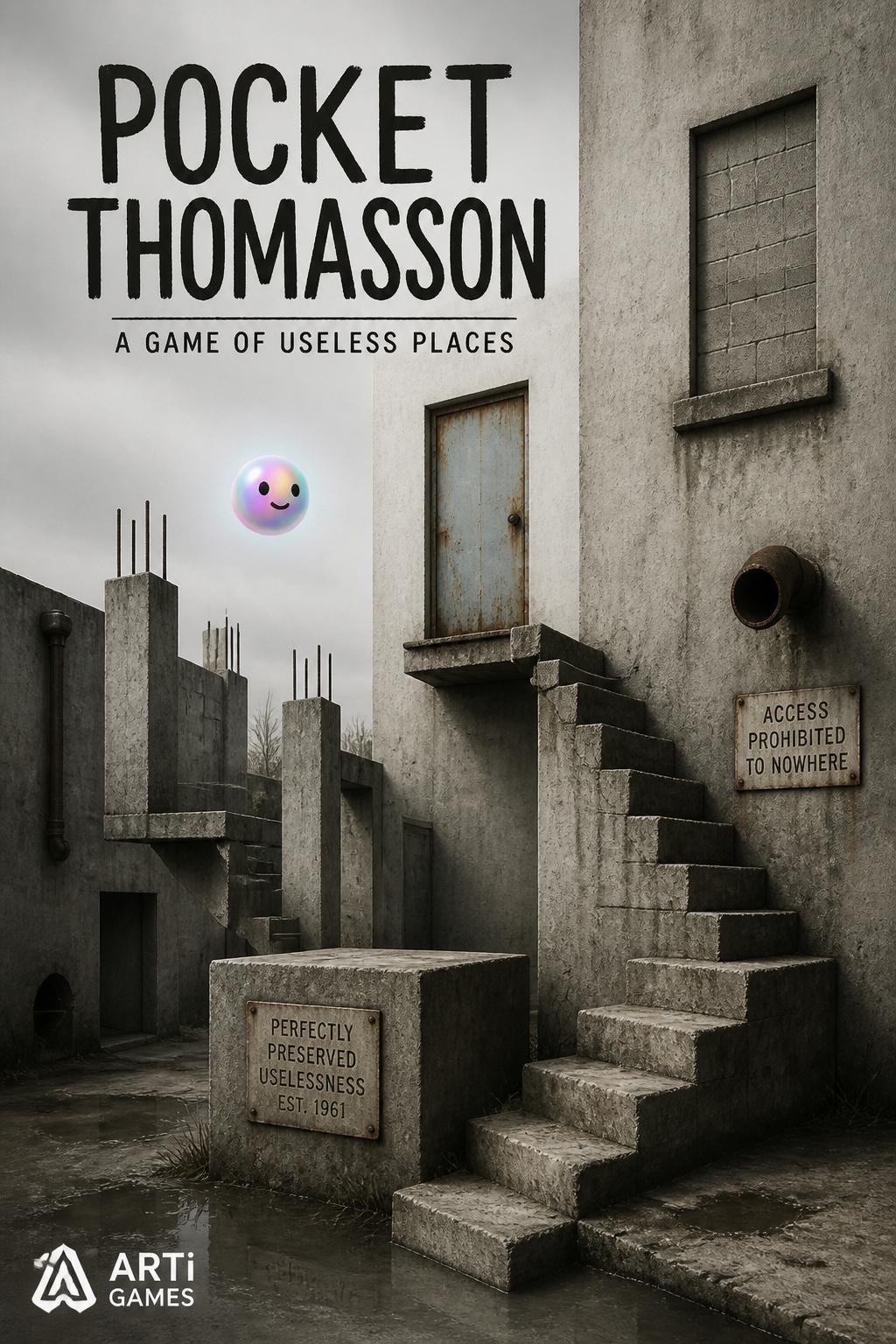
choko Genpei Akasegawa named "Hyperart: Tomasson" after a highly paid baseball player who constantly struck out.
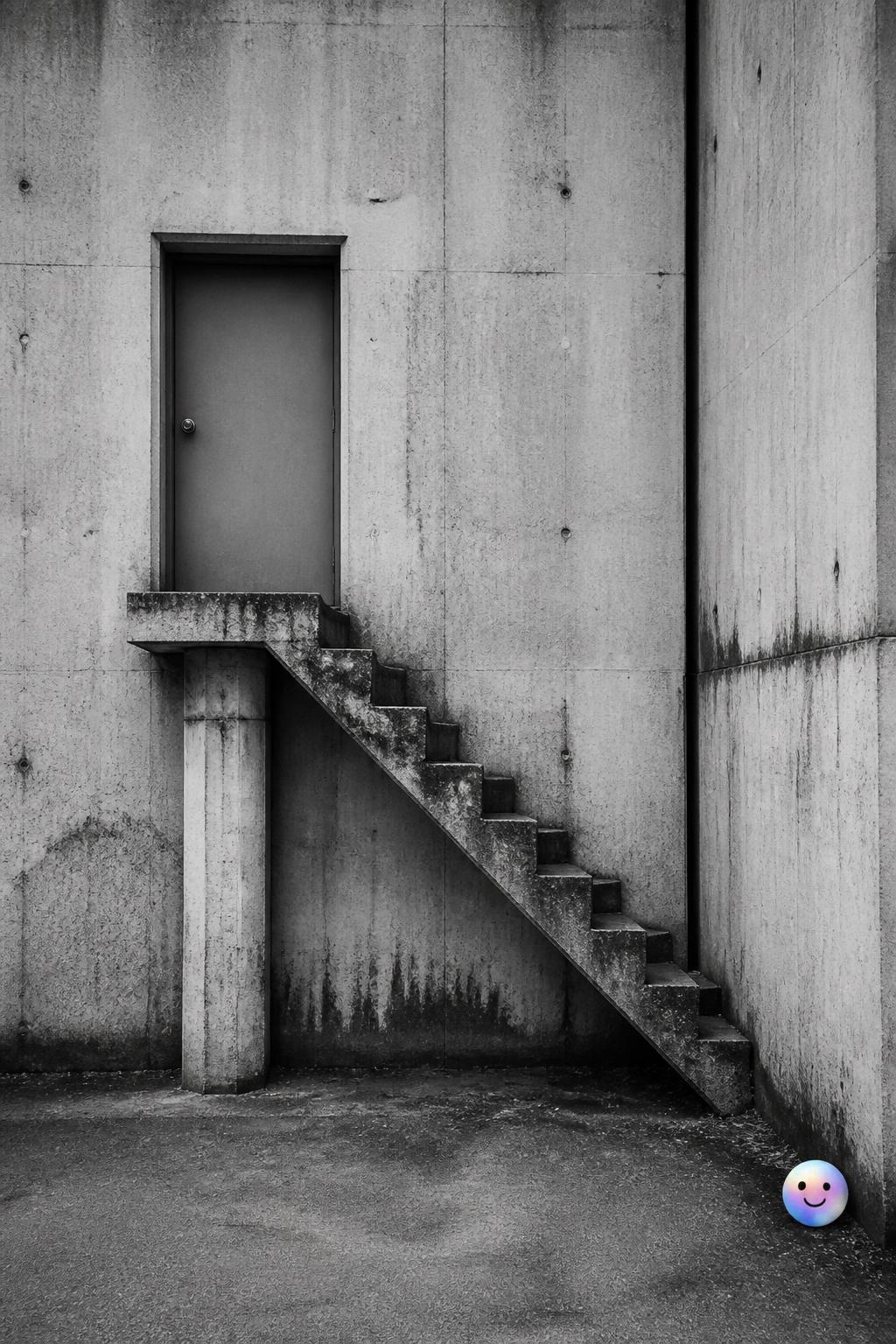
choko The term Tomasson was named after Gary Thomasson, an expensive American baseball player in Japan who became a symbol of uselessness.
For which Japanese baseball team did Gary Thomasson play when he inspired the term 'Tomasson'?
What was unique about the original 'Yotsuya Staircase' discovered by Genpei Akasegawa?
Gary Thomasson's legacy: The baseball player who inspired 'Tomasson' had no idea his name became a Japanese word for architectural uselessness.

choko Genpei Akasegawa's Hyperart: Tomasson identifies useless urban elements preserved by cities as accidental conceptual art.
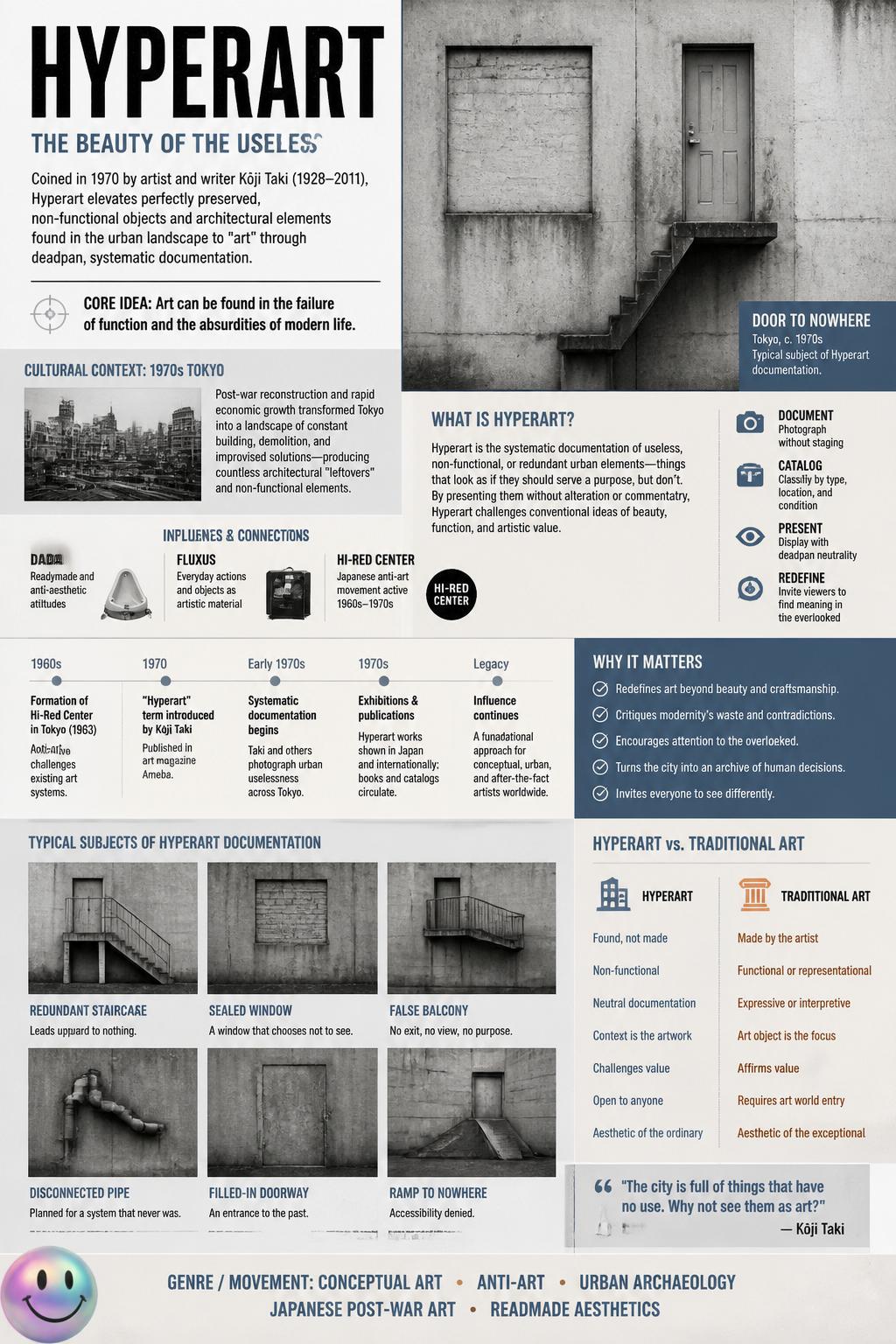
choko Understand Genpei Akasegawa's concept of Hyperart Tomasson. This infographic defines these useless, preserved architectural relics found in cities.
What group did Genpei Akasegawa help form in 1986 to search for these architectural relics?
A flight of steps leading from one floor of a building to another, typically with banisters. In 1972, Genpei Akasegawa discovered a defunct one in Yotsuya, Tokyo, which led to no doorway.
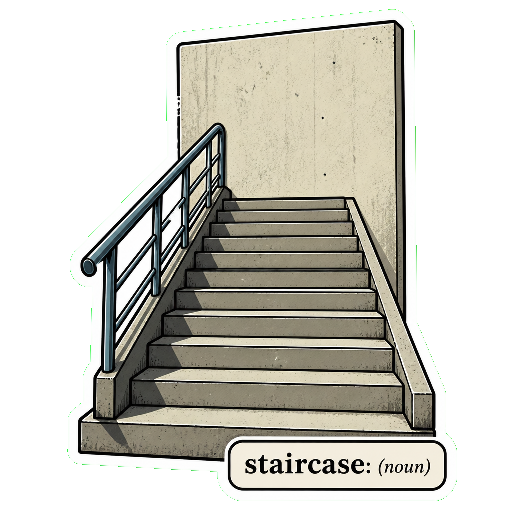
choko Genpei Akasegawa's column on urban anomalies inspired thousands of Japanese to observe their neighborhoods.
In which Japanese city did artist Genpei Akasegawa discover the original 'Yotsuya Staircase' in 1972?
What is a key requirement for an architectural anomaly to be classified as a 'Tomasson'?