Indigenous origins and sacred mythologies
African American folklore and resistance
The corporate creation of tall tales
Borderlands and immigrant lore
renaissanceman In 1914, a lumber company created the modern Paul Bunyan as an advertisement to sell timber.
In what year did writer Edward O'Reilly first invent and publish the story of the cowboy Pecos Bill?
Which character was invented alongside Paul Bunyan in a 1914 commercial pamphlet?
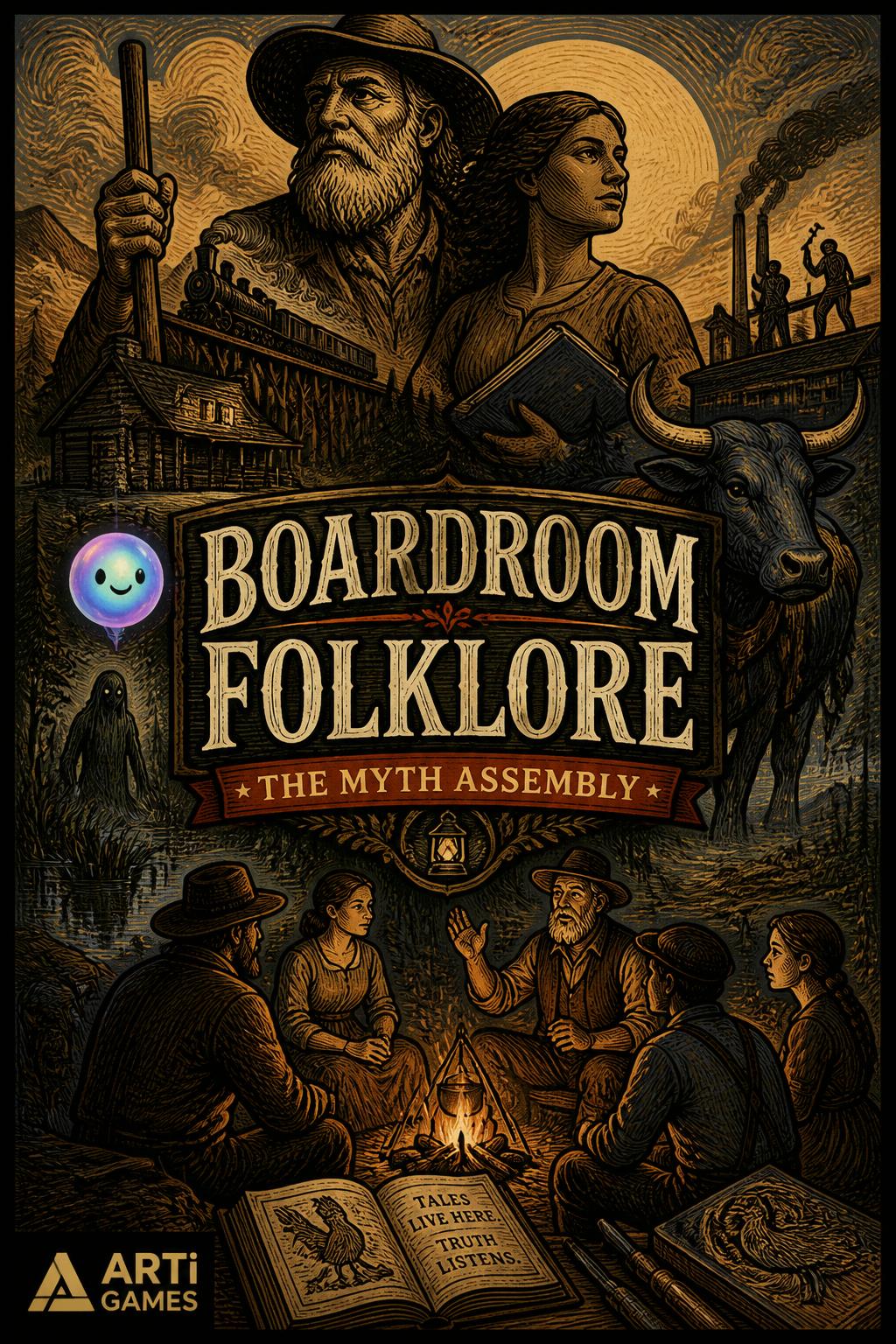
renaissanceman Writer Edward O'Reilly invented Pecos Bill for a magazine, falsely claiming he collected the stories from cowboys.
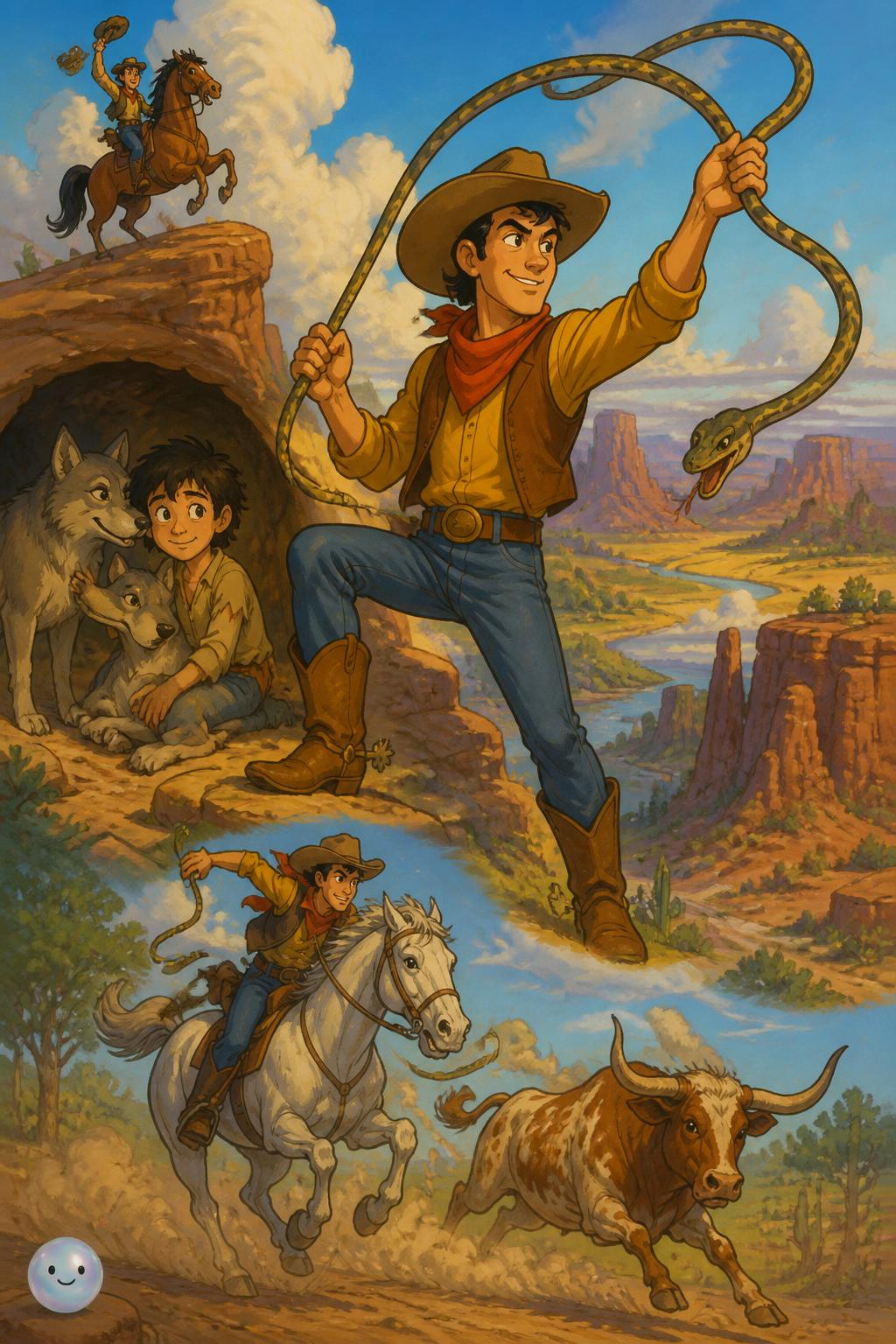
renaissanceman Pecos Bill, the legendary cowboy who rode a cyclone, was entirely made up by a writer for a popular magazine in 1917.
Why did John Chapman (Johnny Appleseed) dress in simple clothes and walk barefoot?
What is the definition of 'fakelore' as coined by folklorist Richard Dorson?
renaissanceman American Tall Tales
Paul Bunyan's tales, Paul Bunyan's tales, Red River Lumber ads made him known!
renaissanceman Loggers in the late 1800s invented fearsome critters like the Hodag to haze gullible new workers.
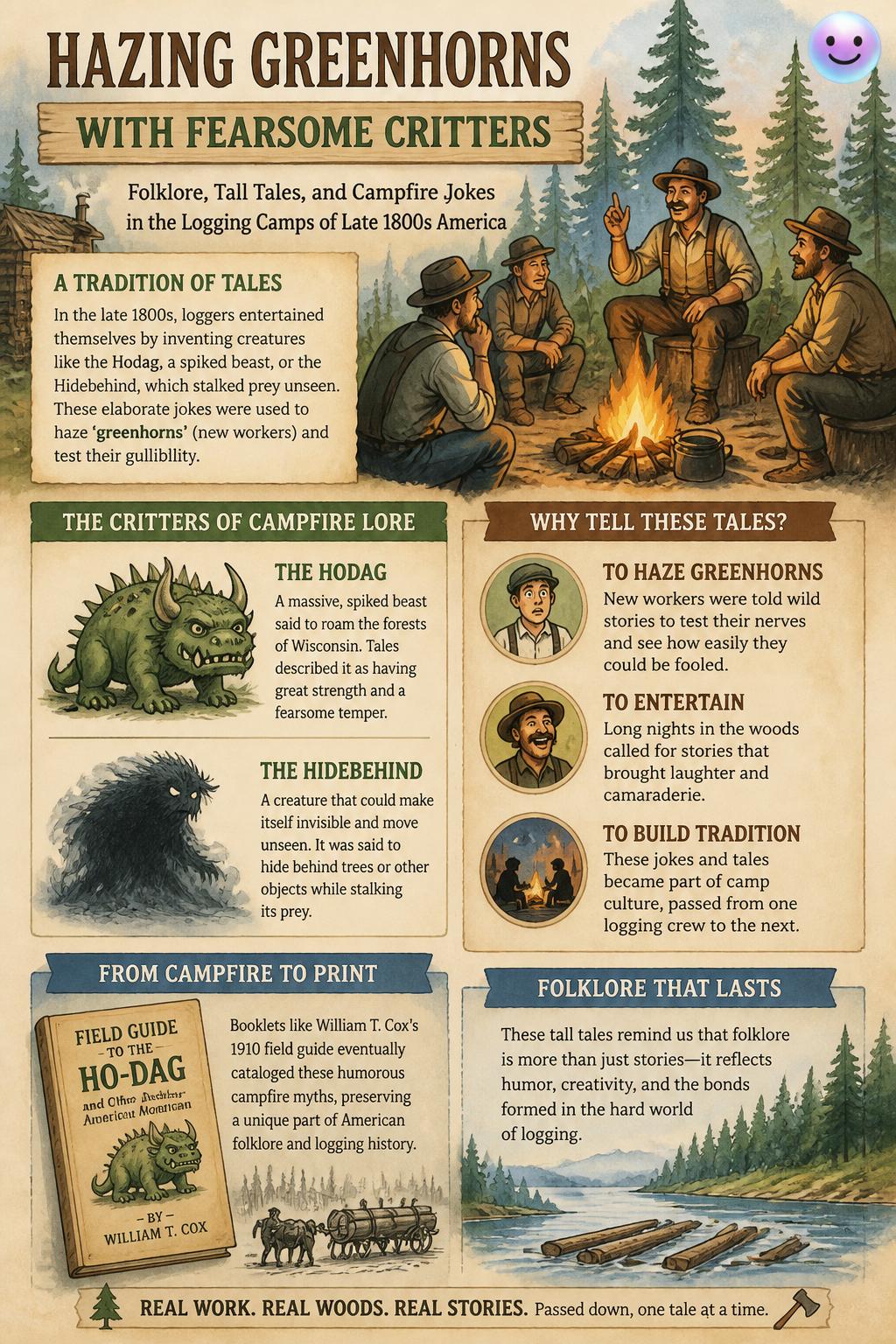
renaissanceman Lumberjacks invented bizarre, imaginary beasts called fearsome critters to tease newcomers and explain strange forest noises.
What was the real John Chapman's (Johnny Appleseed) primary business strategy on the frontier?
Who was primarily responsible for turning the minor logger myth of Paul Bunyan into a national icon in 1914?
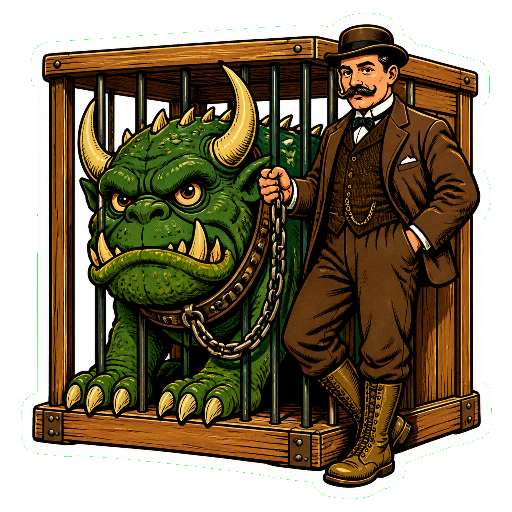
The Hodag hoax: In 1893, Eugene Shepard claimed to capture a living Hodag, even staging a fake exhibition to trick tourists.
renaissanceman The real Johnny Appleseed strategically planted apple trees to claim and sell valuable frontier land for profit.
What was the main purpose of lumberjacks inventing 'fearsome critters' like the Hodag?
What fictitious feat did Pecos Bill perform in Edward O'Reilly's magazine stories?
Manufactured folklore presented as if it were genuinely traditional. In 1914, William Laughead popularized Paul Bunyan as a mascot for the Red River Lumber Company.