
Attribution Definition and Kelley's Covariation Model
Learn the definition of attribution in psychology and explore Harold Kelley's 1967 covariation model explaining how we make causal judgments.
The illusions of sight and sound
The tricks of memory and time
The biases in how we judge others and ourselves

007skaty Psychologist Lee Ross proved that people blame personal character instead of situations when judging others.
007skaty David Dunning showed that poor performers overestimate their skills because they cannot recognize their own mistakes
007skaty Psychologist Lee Ross showed that naive realism makes us view anyone who disagrees with us as biased
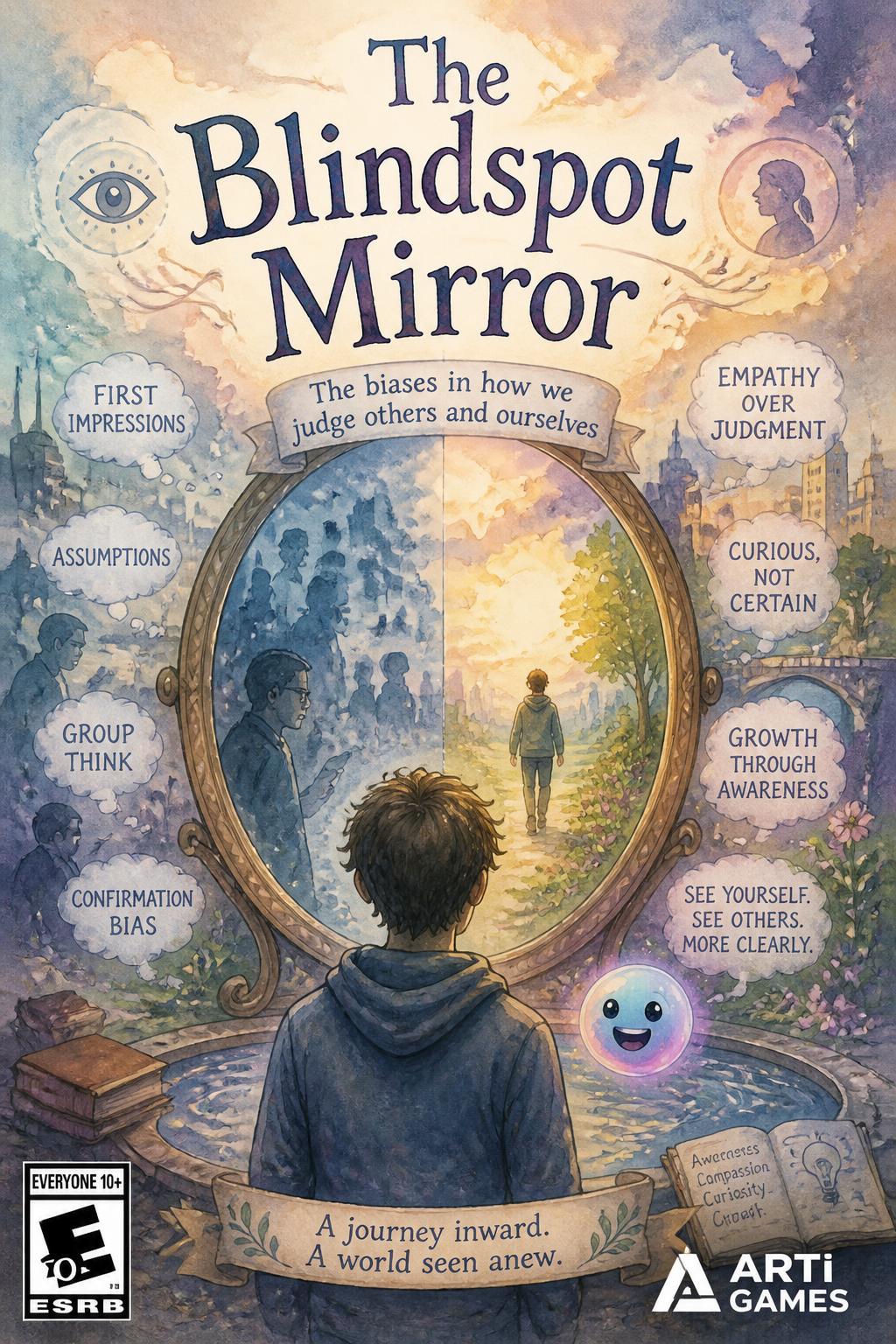
007skaty Tilt the mirror to discover the personal blind spots you have yet to realize.
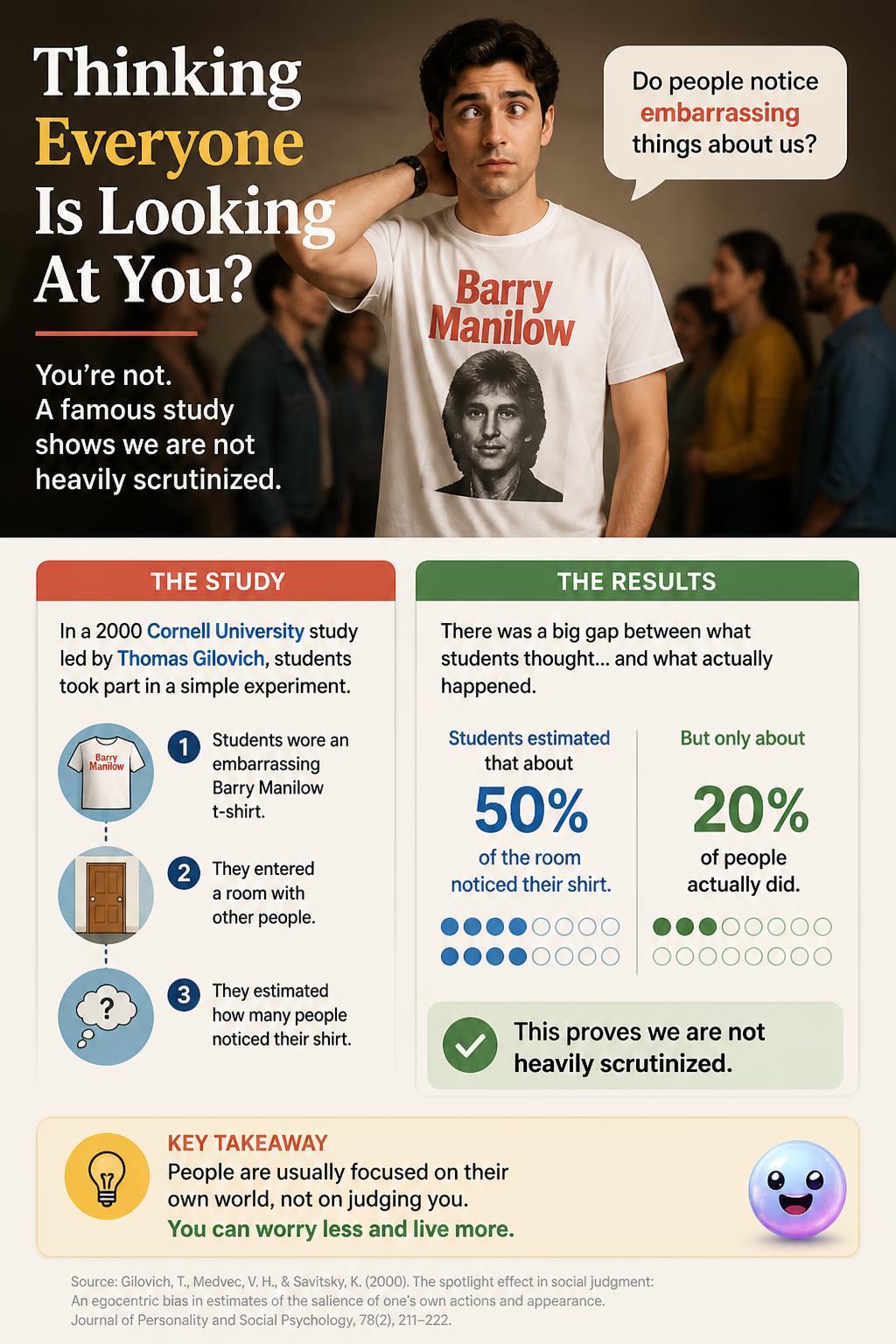
007skaty While shirt-wearers estimated half the room noticed their Barry Manilow t-shirts, Thomas Gilovich found only twenty percent did.
The spotlight effect: People notice your bad hair days and embarrassing moments about half as much as you think they do, because they are focused on themselves.

007skaty Dramatic studio lighting illuminates a charismatic person in a bold magazine portrait.
The action of regarding something as being caused by a person or thing. In 1967, Harold Kelley developed a covariation model explaining how people make these causal judgments.
What is the psychological term for believing you see the world objectively without any bias?
Which social effect explains why individuals are less likely to help a victim when other people are present?
What is the illusory superiority bias where most people believe they are above average?
What is the tendency to blame others' mistakes on their character rather than their situation?
In the 2000 Cornell spotlight effect study, what embarrassing item did students wear?
What is the name of the effect where people with low ability overestimate their skills?
What is the tendency to search for, interpret, and recall information in a way that confirms one's beliefs?