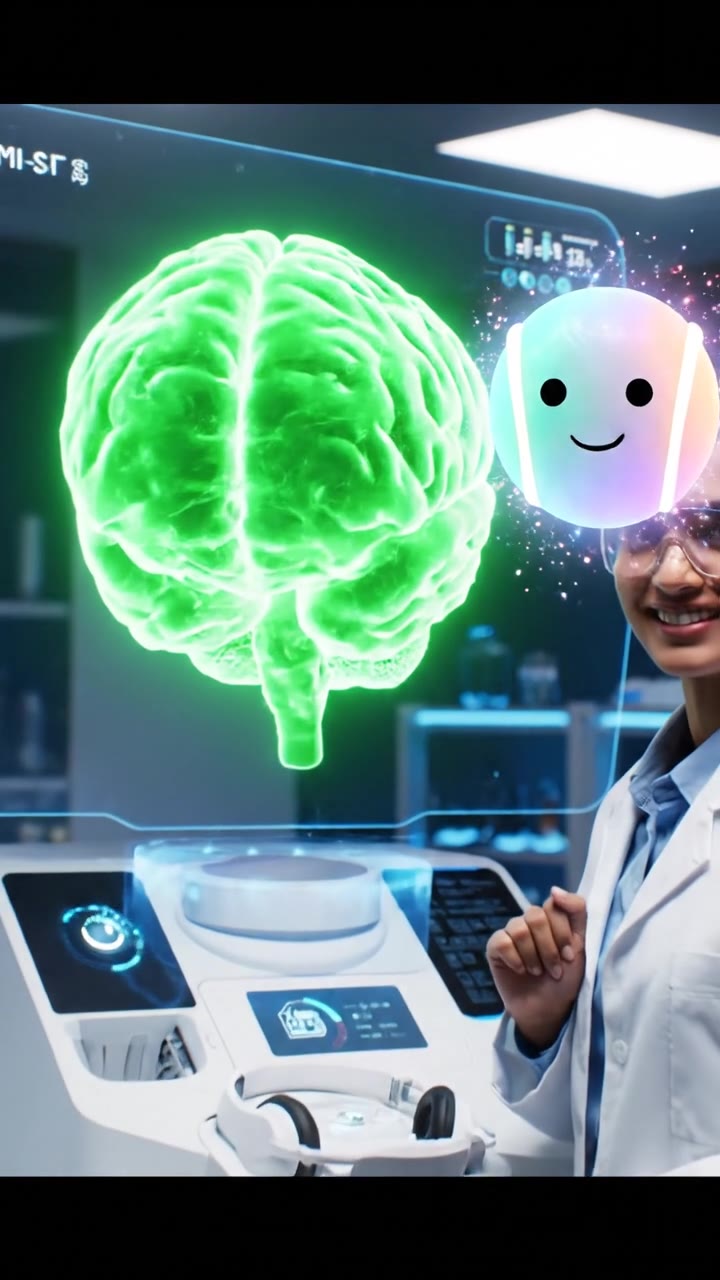
One Hour Calibration AI Breakthrough
Previously, brain-decoding AI required 40 hours of patient data to map an individual's brain. In 2026, Brain-IT reduced this calibration time to just 60 minutes by using a universal brain encoder trained on public datasets.
Decoding the human mind
Eavesdropping on the deep blue
The universal translator of the wild
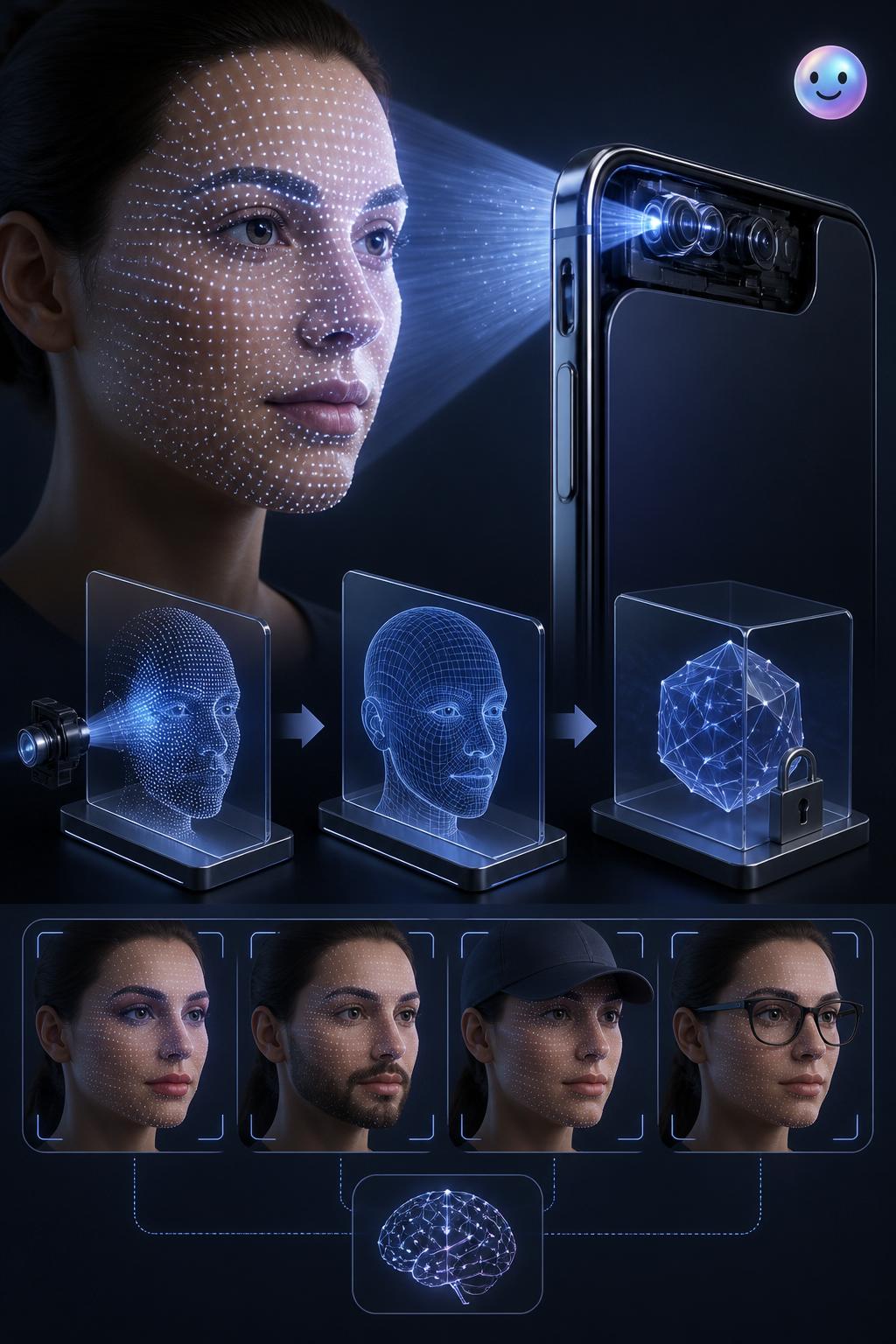
play_review Osaka University researchers use artificial intelligence to reconstruct the exact pictures a person looks at.
play_review An fMRI scanner tracks magnetic changes in blood flow to pinpoint your active thoughts.
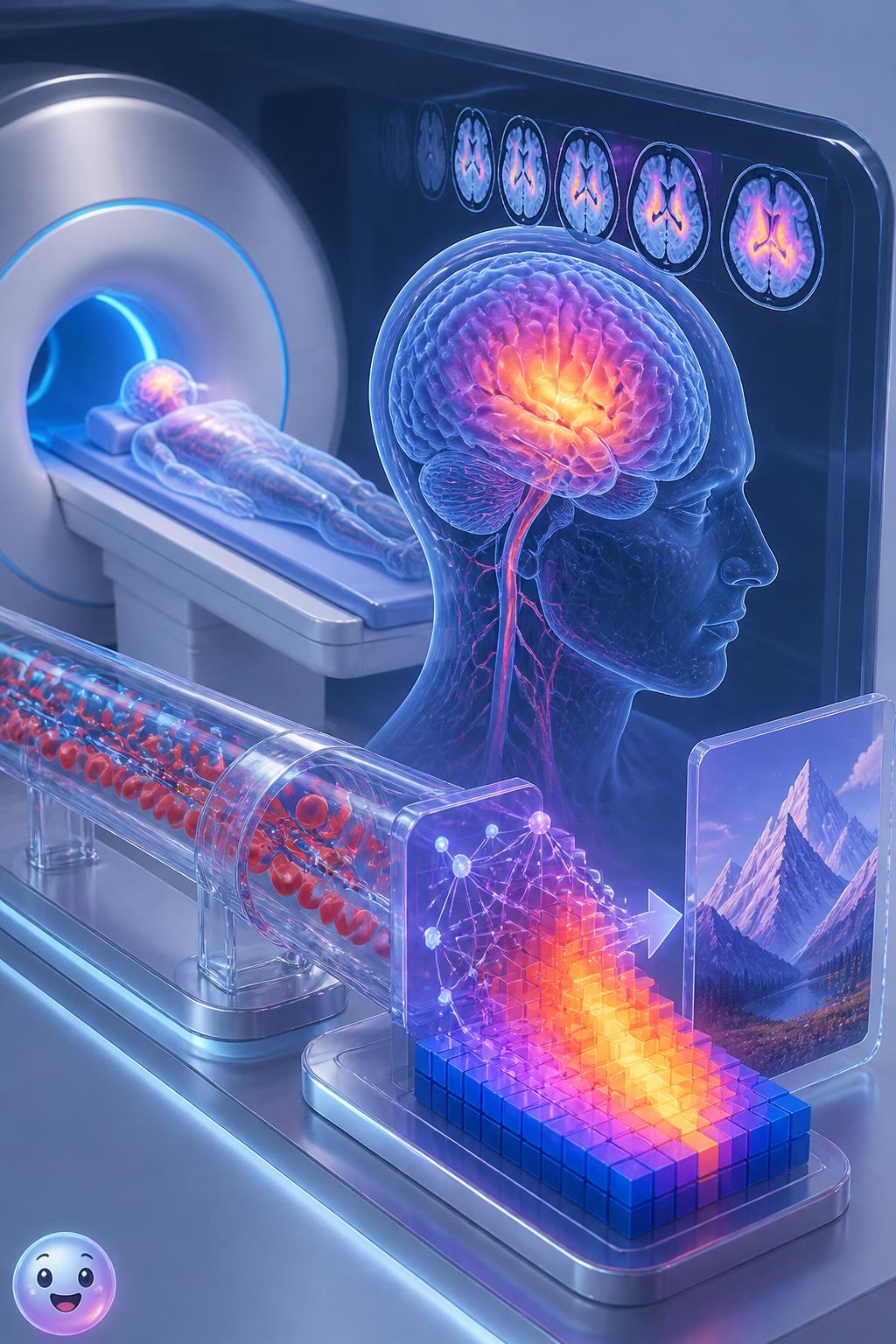
play_review An fMRI machine tracks mental activity by detecting magnetic signals in oxygen-rich blood.
play_review An fMRI scanner tracks magnetic changes in blood flow to pinpoint active thoughts.
play_review An fMRI scanner maps thoughts by tracking magnetic changes in your brain's blood flow.
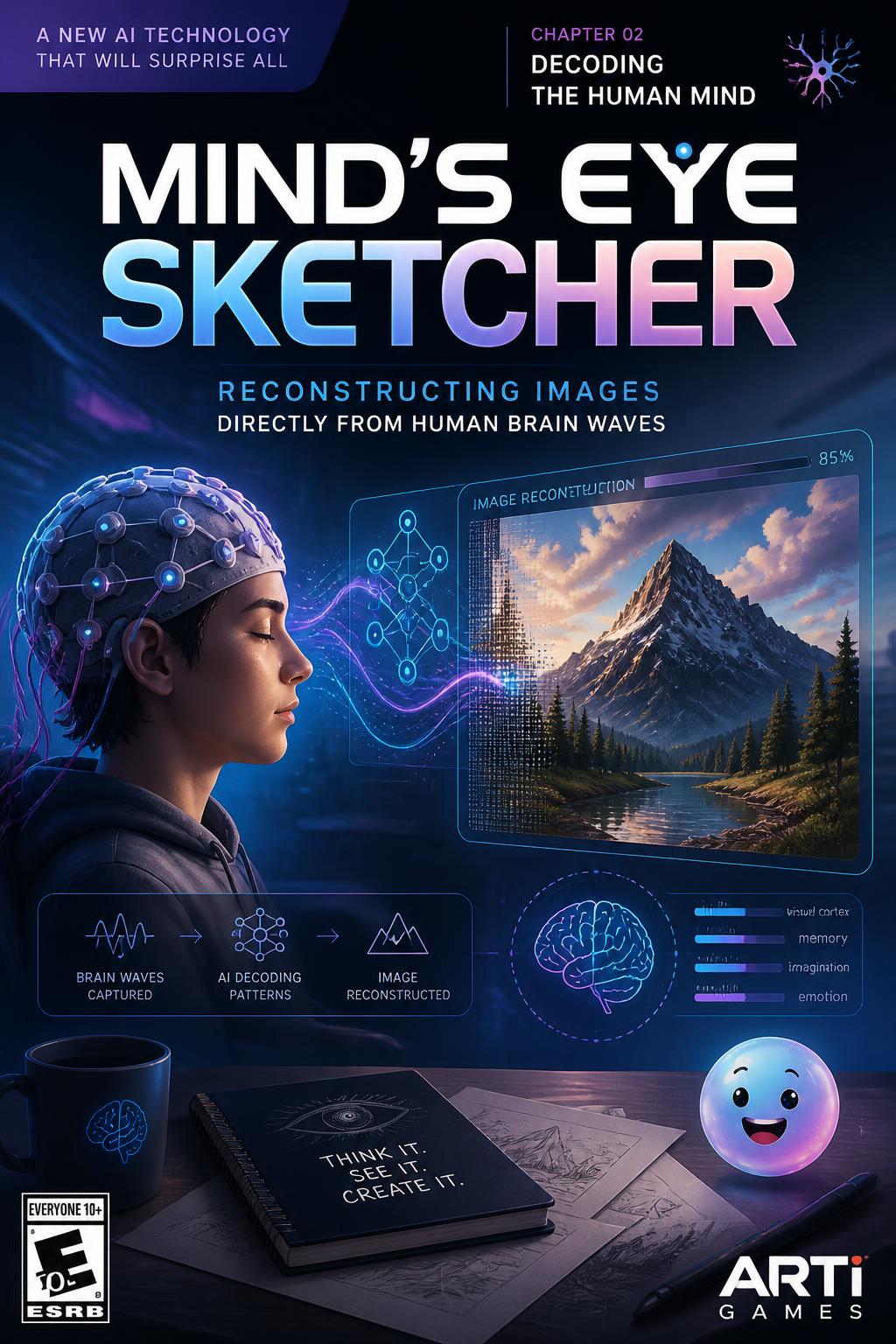
play_review Decode brain activity into sketches to discover how AI visualizes our thoughts.
play_review Osaka University researchers used artificial intelligence to translate brain activity into the exact pictures a person saw.
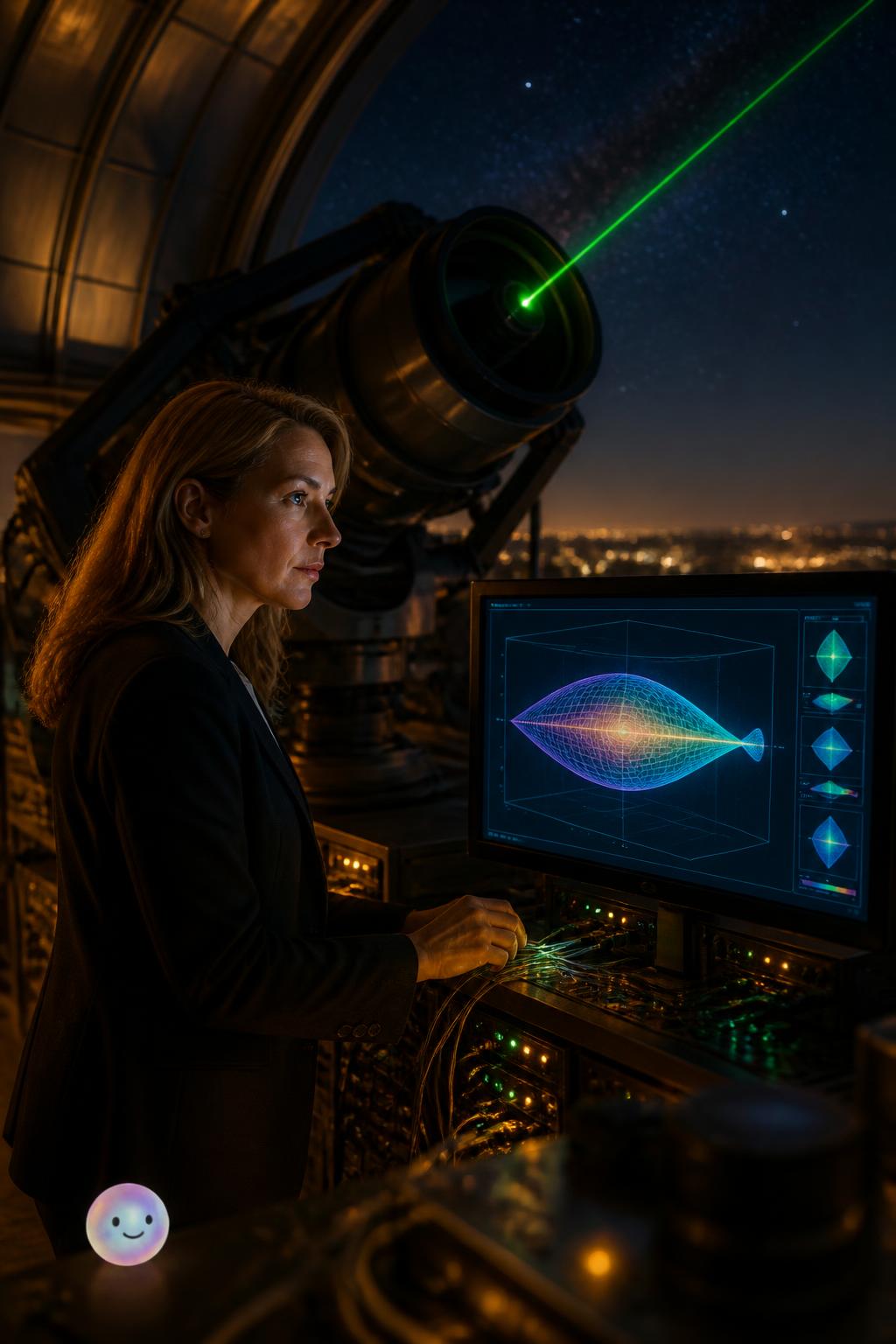
007skaty The Weizmann Institute's Brain-IT system mistakenly reconstructed a viewed image of a dog as a goat
007skaty A universal brain encoder reduced the setup time for thought-reading artificial intelligence to sixty minutes.
007skaty Artificial intelligence reconstructs the shapes you look at by translating oxygen patterns detected by fMRI scanners
007skaty Prof. Michal Irani developed a system that translates brain activity into accurate pictures of what people see.
007skaty Brain to image reconstruction
Read my mind, read my mind / The AI paints the scene inside
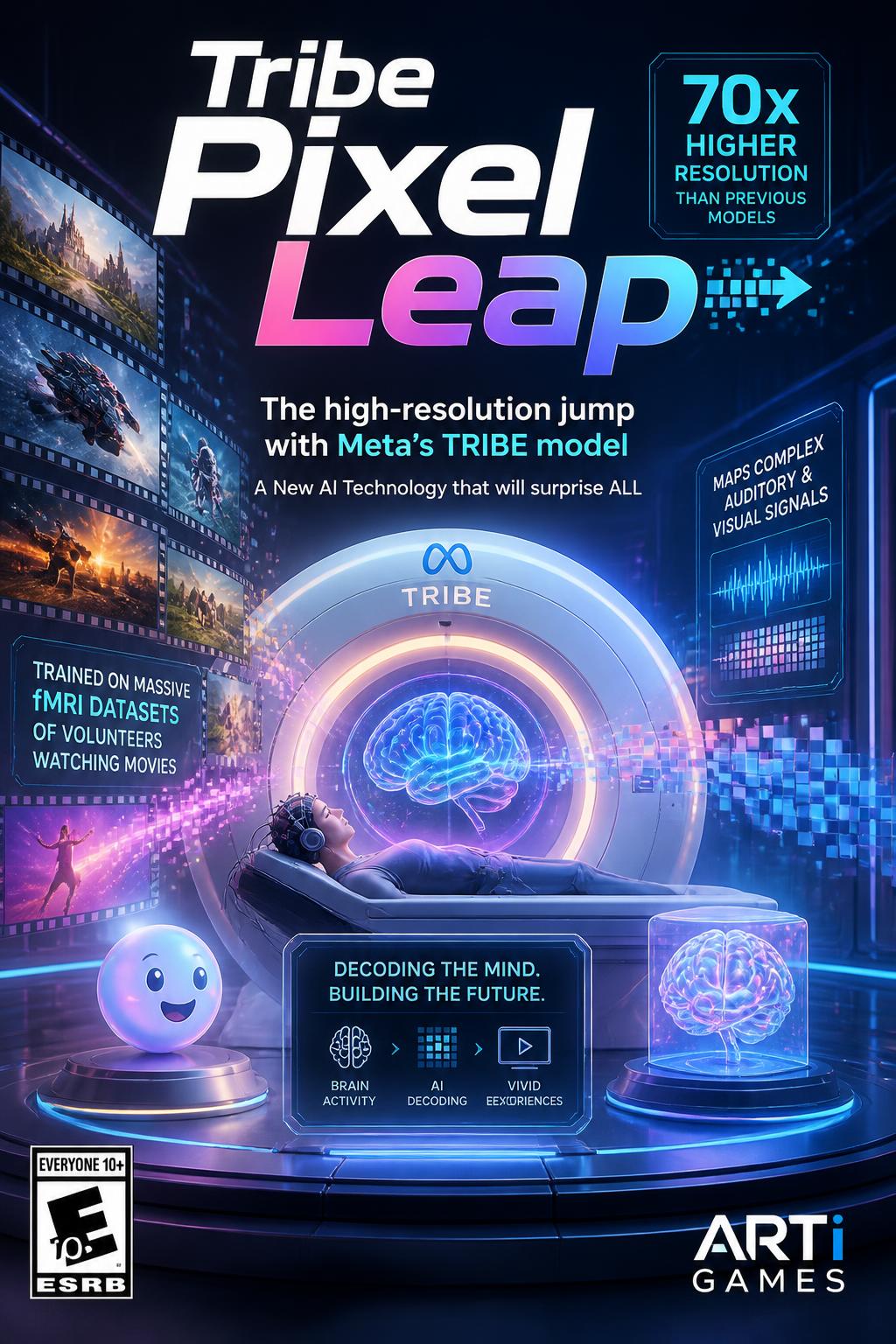
007skaty Time your pixel leaps to discover how surprising new AI technology generates realistic images instantly.
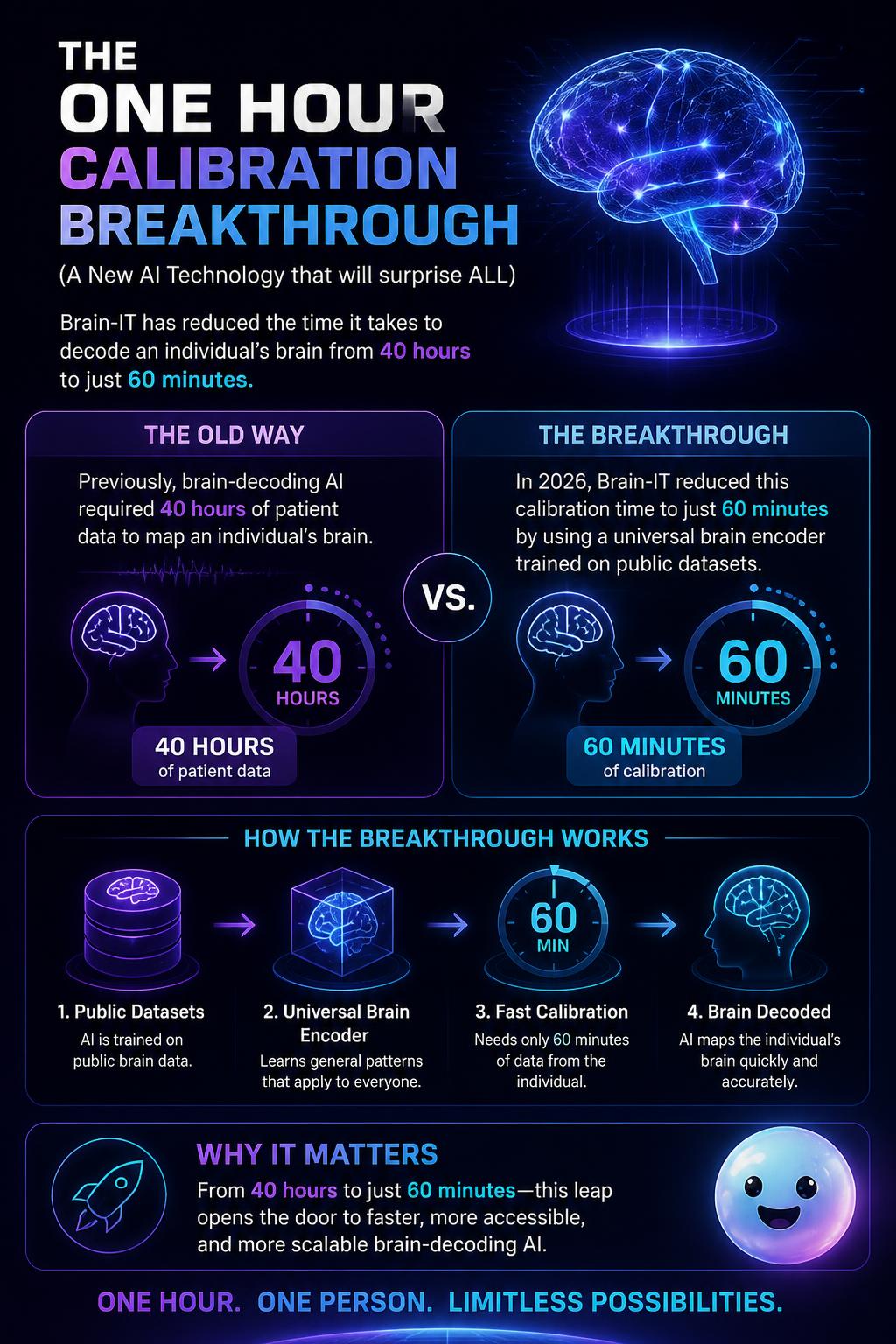
007skaty A universal brain encoder trained on public datasets replaces the need for 40 hours of patient data.
Brain decoding: In 2026, researchers demonstrated that AI can guess which brain regions process specific concepts, like food or sports, even across different individuals.
An artificial intelligence system that translates brain activity into readable language. In 2023, University of Texas researchers used this non-invasive technology to reconstruct stories from brain scans.
What brain imaging technology does the Brain-IT system analyze to reconstruct visual images?