
How to Distinguish E.g. from I.e.
These two highly confused abbreviations serve completely different purposes when writing examples or clarifications.
Latin in the courtroom and law
Scientific names and the natural world
Pop culture and modern slogans
Everyday abbreviations and hidden phrases
schopenhauer Romans popularized the Latin terms A.M. and P.M., meaning before and after midday, which remain global standards.
schopenhauer Everyday Latin Abbreviations
A.M. and P.M., do you know their Latin names? (Oh-oh!) / Ante and post meridiem, we're in the time game! (Yeah, we are!)
schopenhauer Discover how to incorporate Latin terms into your CV. Watch to see examples from law, slogans, and pop culture to make your resume stand out.
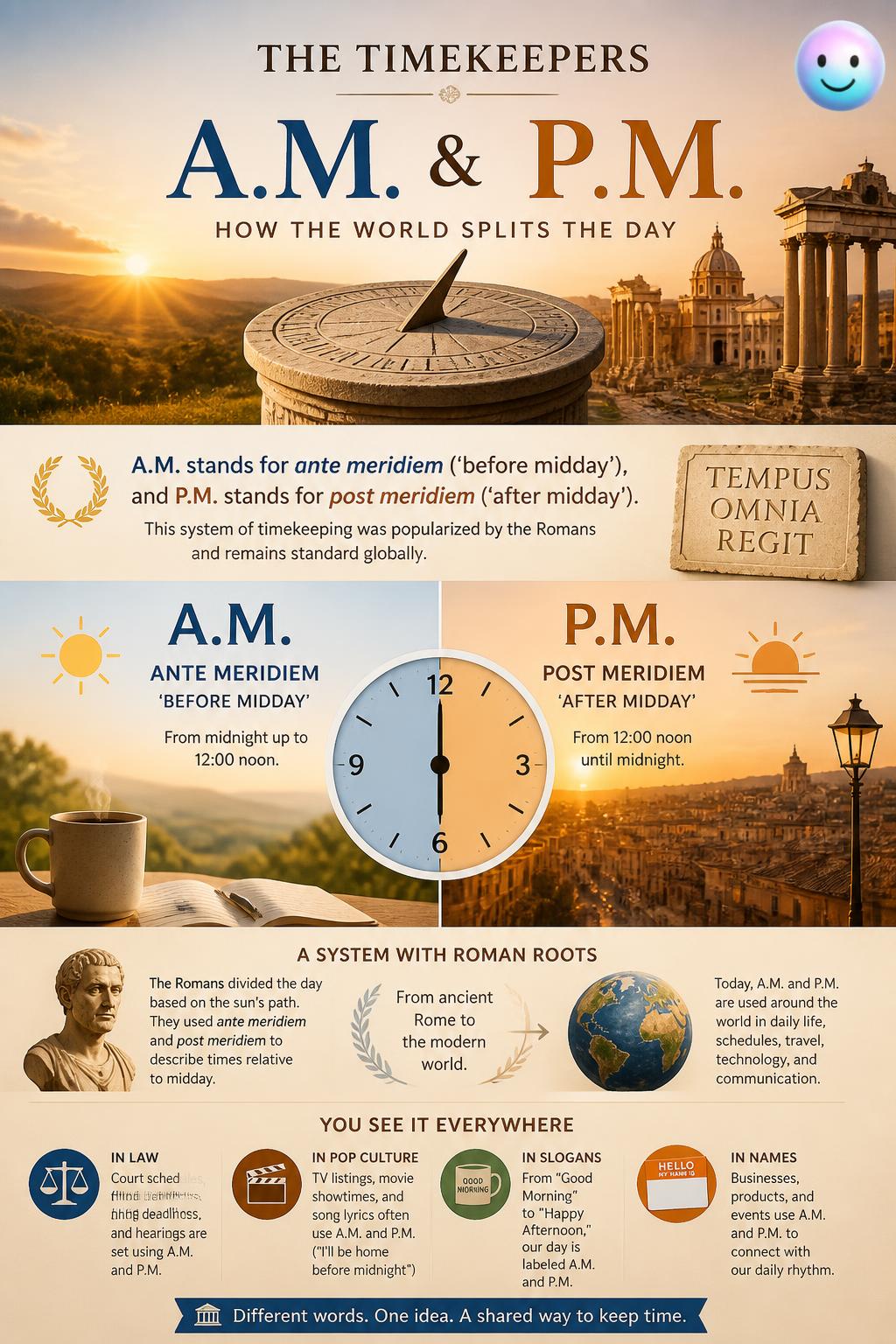
schopenhauer Our twelve-hour clocks rely on Latin terms to divide the day around the sun's peak.
Versus origin: The abbreviation 'vs.' comes from the Latin word 'versus,' which literally means 'turned toward' or 'against.'

schopenhauer These two highly confused abbreviations serve completely different purposes when writing examples or clarifications.
A shortened form of a word or phrase. Ancient Roman scribes popularized 'etc.' on stone inscriptions to save labor and valuable writing space.
What does the abbreviation 'i.e.' stand for, used when you want to clarify or restate something?
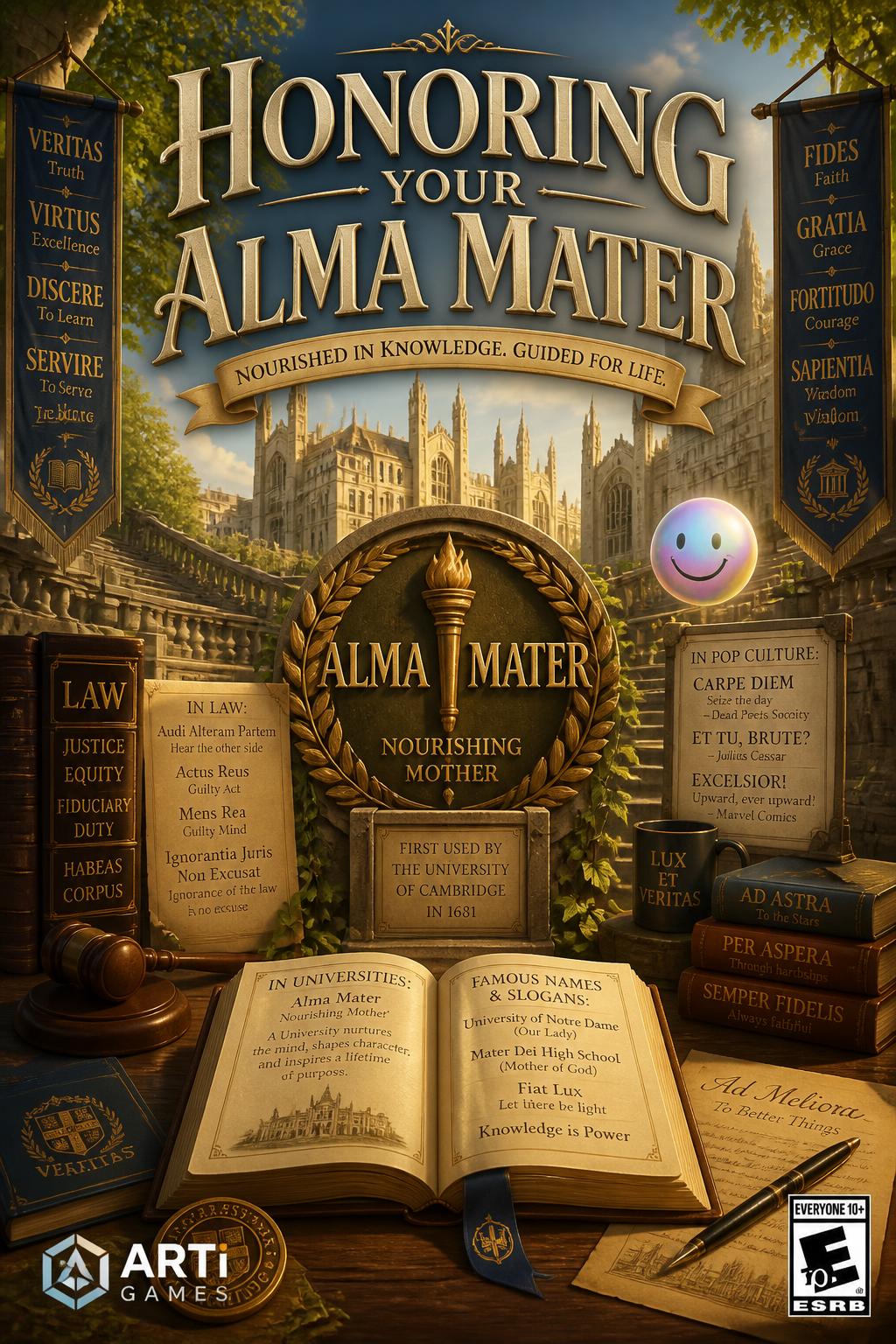
schopenhauer Test your knowledge of popular Latin words and phrases used in school slogans, law, and pop culture in this interactive educational game.
schopenhauer Since the twelfth century, the Latin phrase "et cetera" has let writers imply a list continues.
Which Latin word, meaning 'against,' is abbreviated as 'vs.' in sports and legal battles?
schopenhauer Writers often confuse the Latin abbreviations "e.g." (for example) and "i.e." (that is).
What does the abbreviation 'P.M.' stand for when referring to afternoon or evening times?
If you want to give a specific example in a sentence, which Latin abbreviation should you use?