
Terrifying Faces of Divine Defense
*Dharmapalas* are fierce, fanged protector deities in Tibetan and East Asian Buddhism. Unlike peaceful Buddhas, they are depicted with flaming hair, multiple arms, and necklaces of skulls. Their terrifying appearance is not evil; it symbolizes the intense energy needed to destroy obstacles and protect the sacred teachings.
The Roman shield of state
Pocket-sized and wrathful Eastern guardians
Ancestral and animal guardians of the Pacific and Americas
Invisible celestial bodyguards

007skaty Yamantaka defeated the death god Yama to show that people can conquer the fear of mortality.
007skaty Dharmapalas use their terrifying appearance to symbolize the intense energy needed to destroy spiritual obstacles.
007skaty Shrines burn protective omamori amulets after exactly one year to release their spirits during the New Year.
007skaty Opening a sacred Shinto amulet releases its protective blessing by exposing the hidden prayer slip inside.
007skaty Honda Tadakatsu
Through fifty-seven wars, not a single drop of blood was drawn.

007skaty Defend the temple from tiny terrors to discover how ancient cultures visualized divine protection.
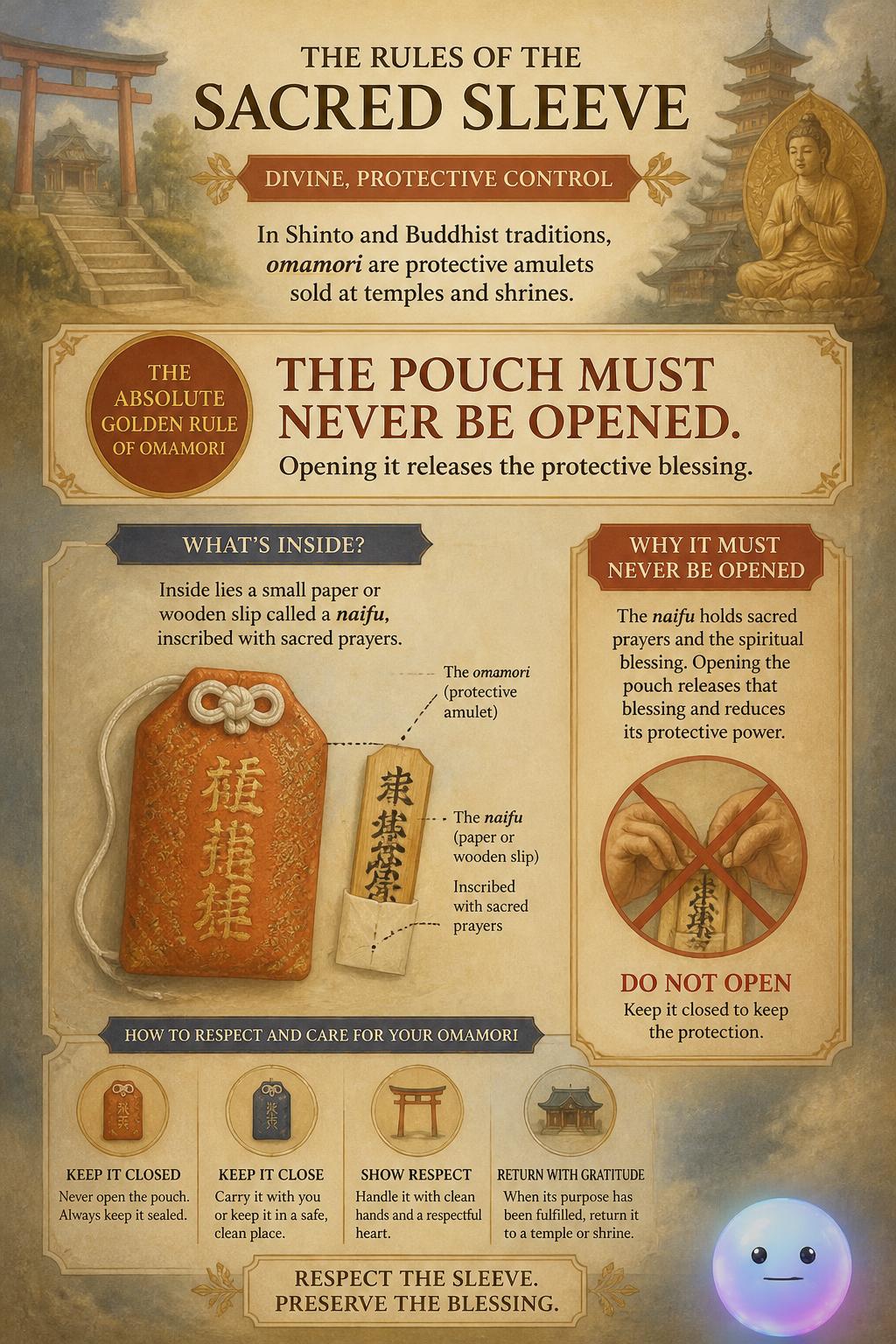
007skaty Shinto and Buddhist temple amulets called omamori must stay sealed to preserve the sacred prayers inscribed on the naifu inside.
What is the name of the sacred wooden or paper slip hidden inside a Japanese omamori pouch?

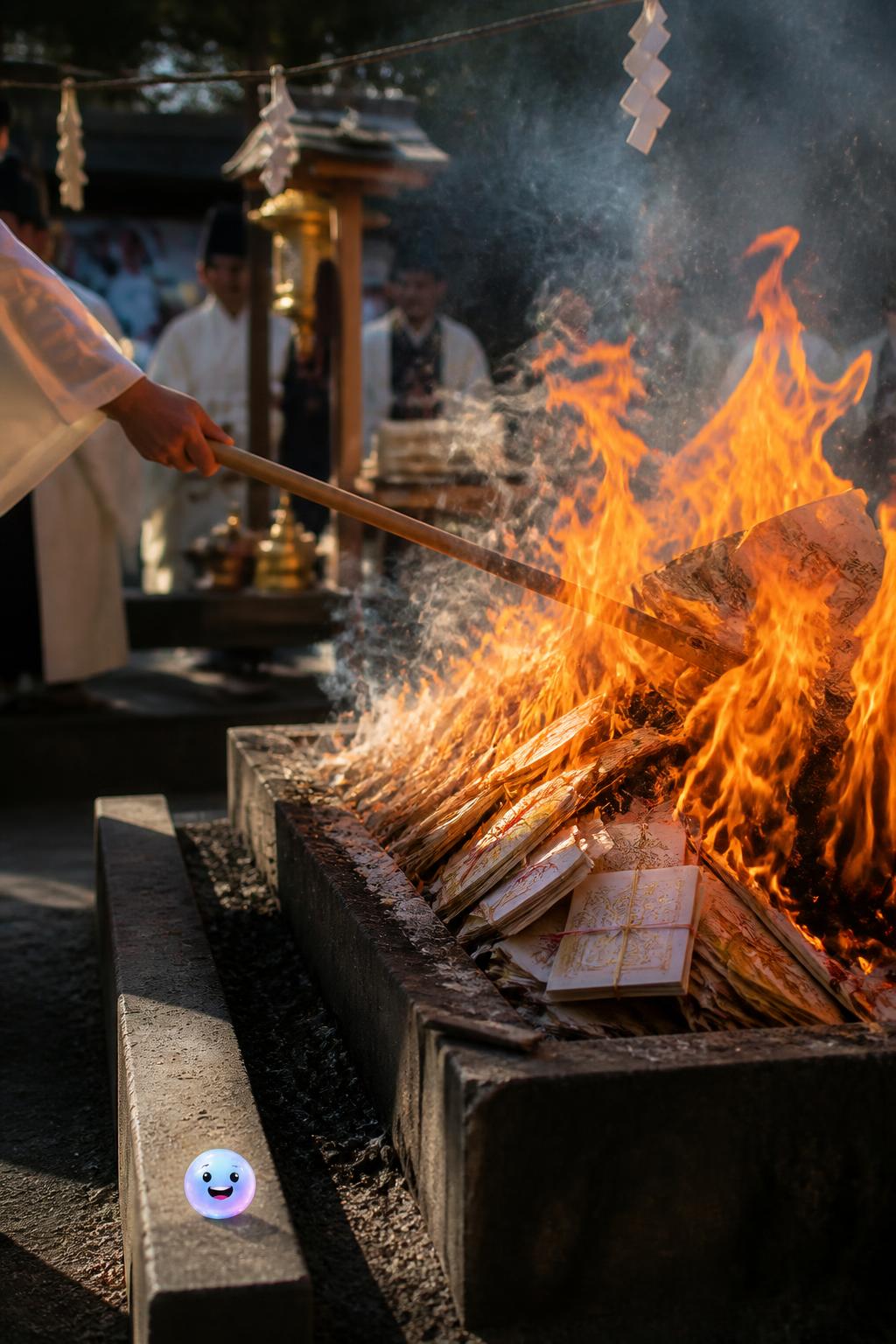
007skaty Priests use sacred fire to return protective amulet spirits to the divine realm
How long is a traditional Japanese omamori amulet meant to be kept before being returned?
What ritual method do Shinto priests use to safely dispose of old, returned omamori amulets?
No washing allowed: You should never wash a dirty Japanese omamori. Washing it is believed to wash away the protective power and release the blocked bad luck.
What do the terrifying, wrathful expressions of Dharmapala deities symbolize in Buddhist art?
A small carved toggle used in traditional Japanese attire to secure personal items to a sash. During the Edo period, Japanese carvers fashioned these toggles into the demon queller Shōki to repel evil.
How many arms is the wrathful Buddhist protector deity Yamantaka traditionally depicted as having?