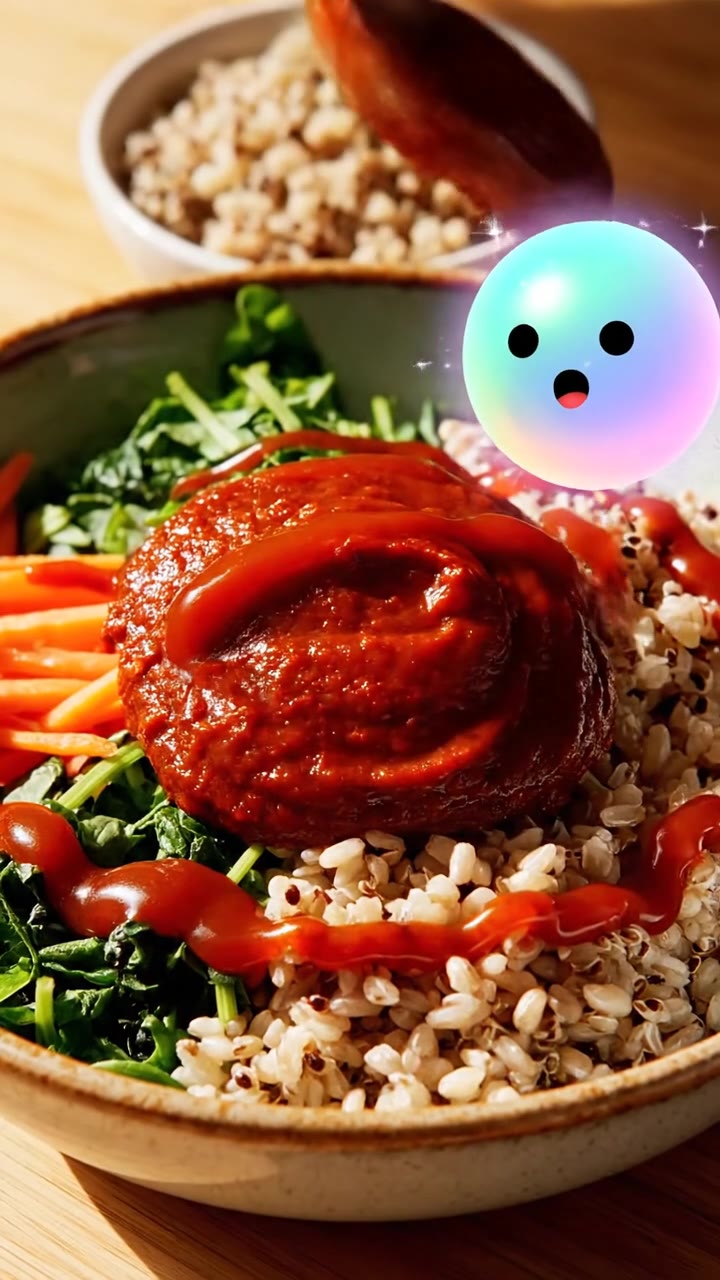
Gochujang Glaze for Global Grain Bowls
Gochujang was developed in Korea during the Joseon Dynasty after chili peppers were introduced in the late 16th century. Traditionally, it is fermented for months in large clay pots under the sun, allowing enzymes to break down glutinous rice starches into sweet sugars. It is so delicious that Joseon kings famously called it a 'rice thief'.
The grain foundation: choosing your ancient base
The protein powerhouses: building a hearty core
The rainbow crunch: adding color and texture
The final splash: dressing with global flair
alicecooks Joseon Dynasty kings loved gochujang so much they famously called the spicy paste a rice thief.
alicecooks Peanut sauce serves as the defining dressing for gado-gado, a classic Indonesian salad.
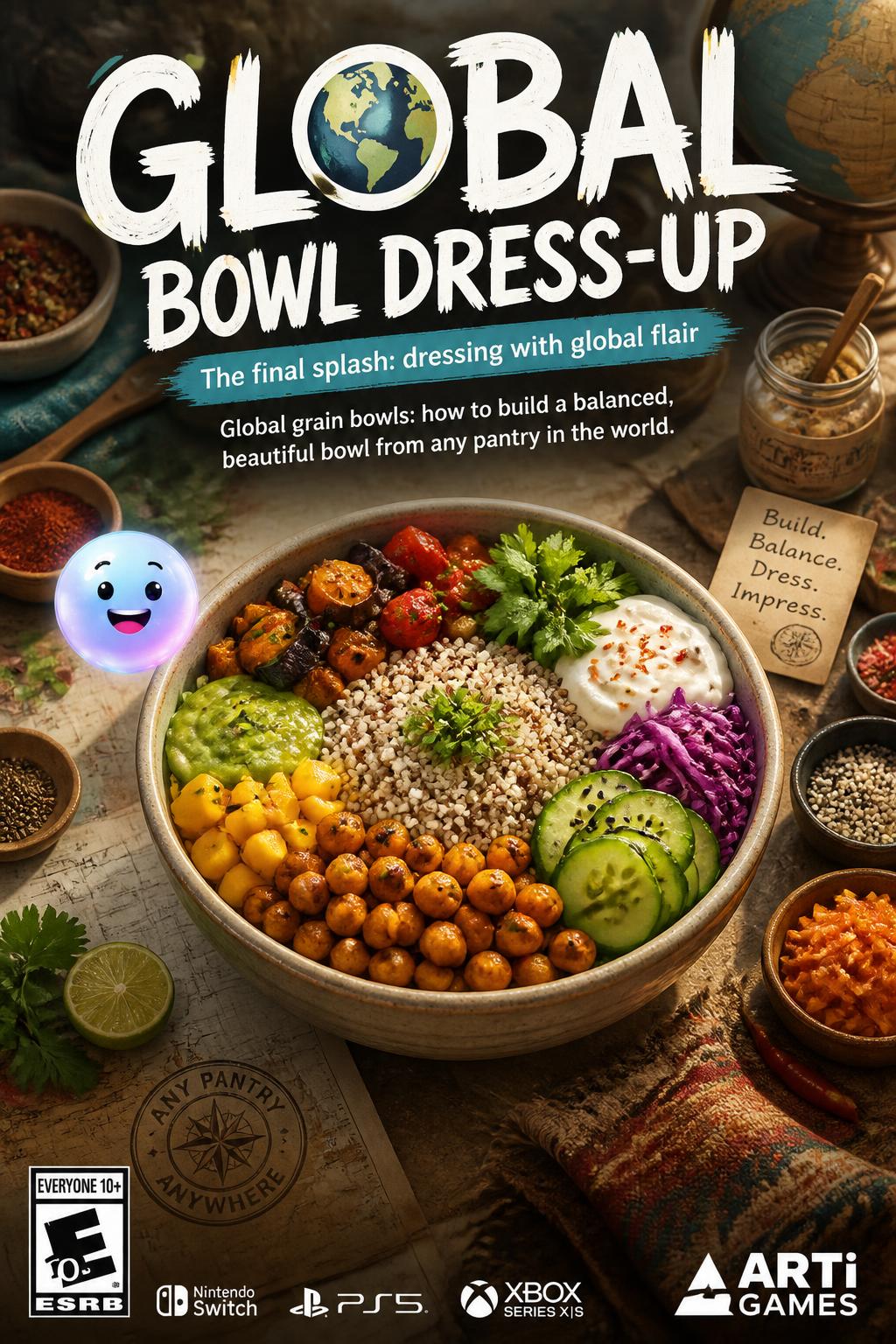
alicecooks Dress up grain bowls to learn how to build balanced meals from any pantry.
alicecooks Southeast Asian Peanut Sauce
We grind the golden peanuts for a savory delight, To bind our gado-gado bowls and make them taste just right.
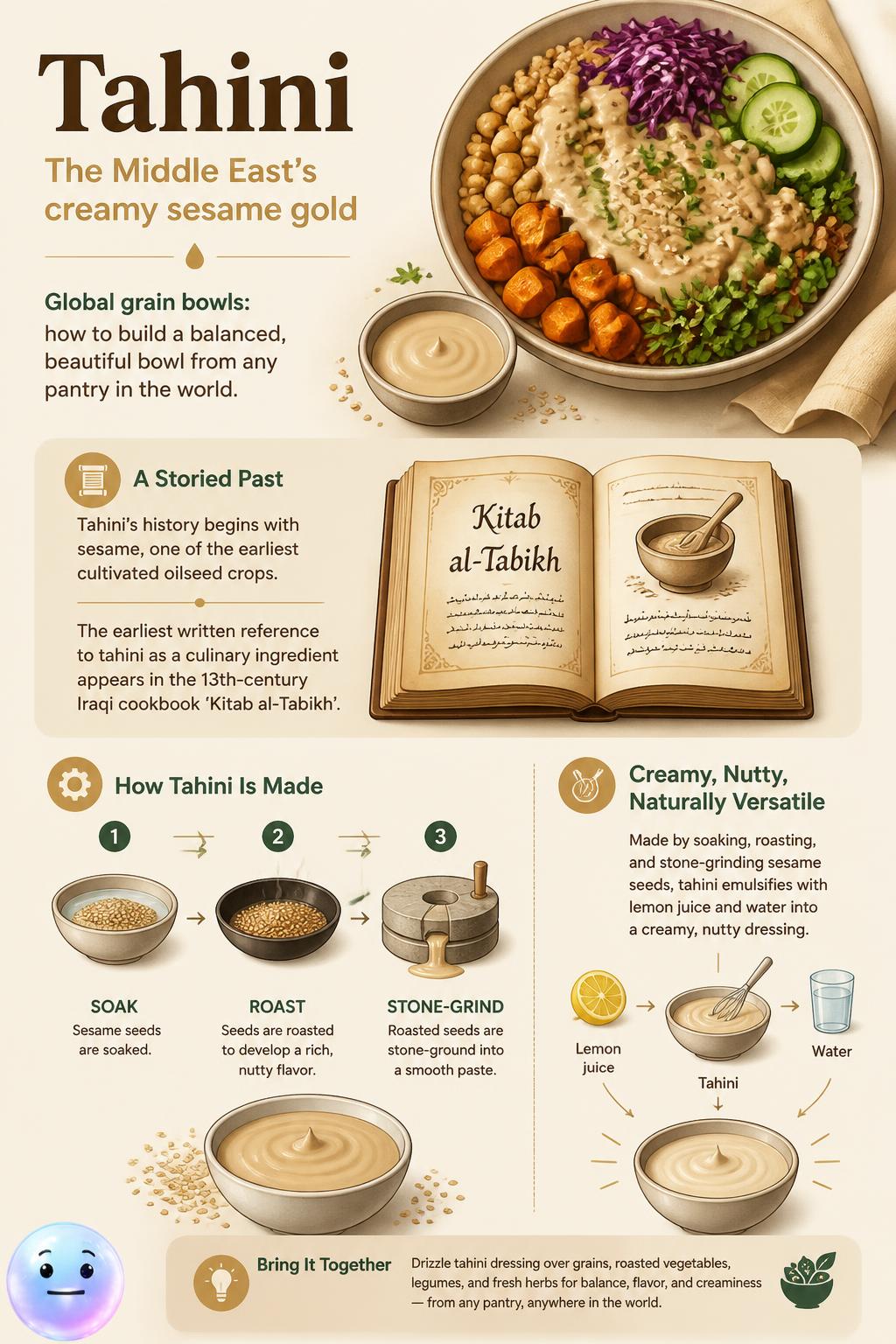
alicecooks Sesame, an ancient oilseed, undergoes soaking, roasting, and grinding, then emulsifies with lemon and water into creamy tahini.
In which 13th-century cookbook was tahini first referenced as a culinary ingredient?
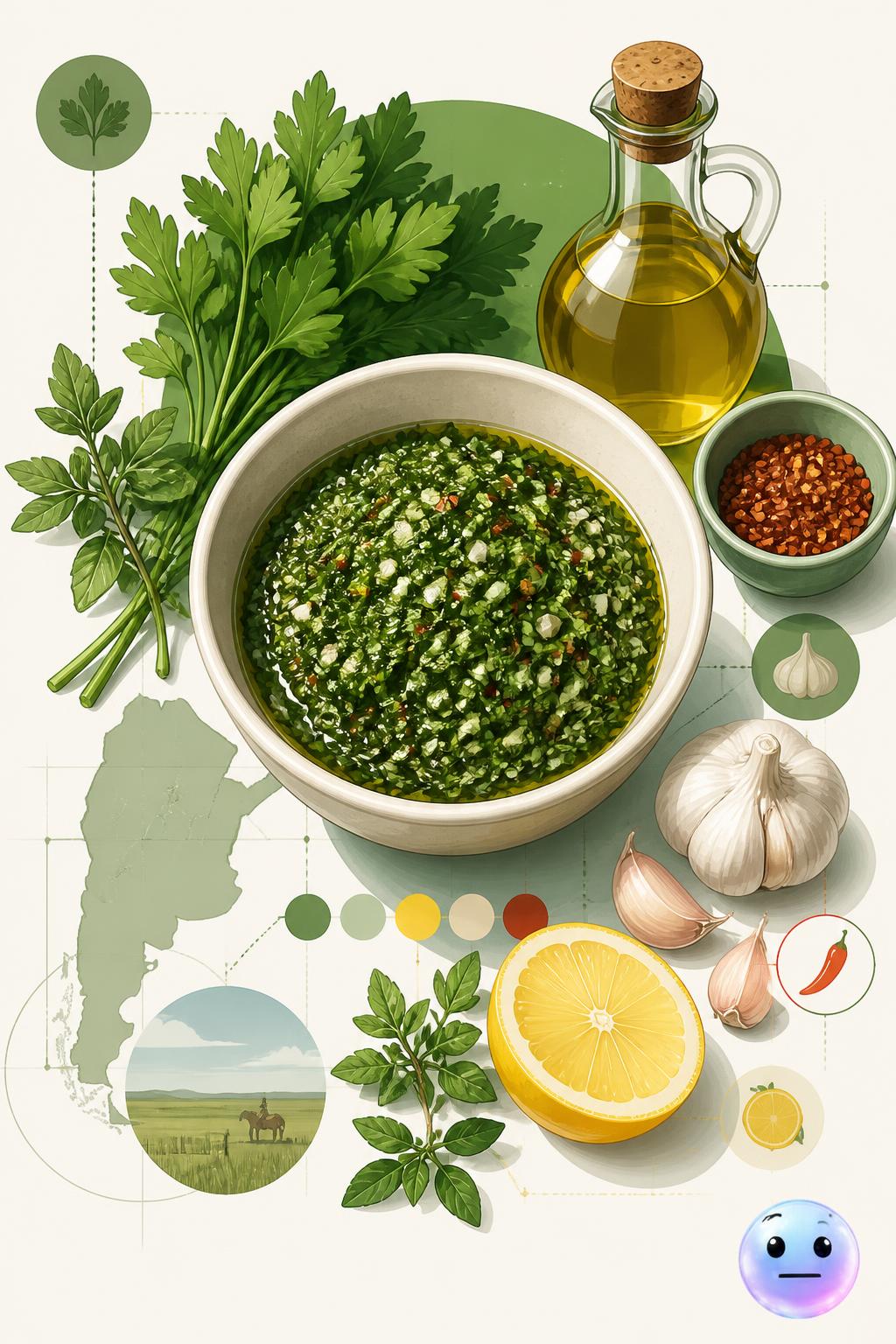
alicecooks Vibrant Argentine chimichurri provides bright acidity to balance rich grain bowls.
Which South American region is the birthplace of the vibrant green chimichurri sauce?
Sauce science: Emulsifying an acid like lemon juice with a fat like tahini creates a creamy, stable dressing without any dairy.
During which Korean dynasty was gochujang chili paste first developed and popularized?
What ingredient in gochujang naturally breaks down during fermentation to create its sweetness?
A sauce, typically cold, used to flavor or coat salads and other dishes. Blending regional pantry staples like citrus, miso, or tahini unifies the diverse textures of assembled grain meals.
Which classic Indonesian salad bowl is traditionally dressed with a rich peanut sauce?