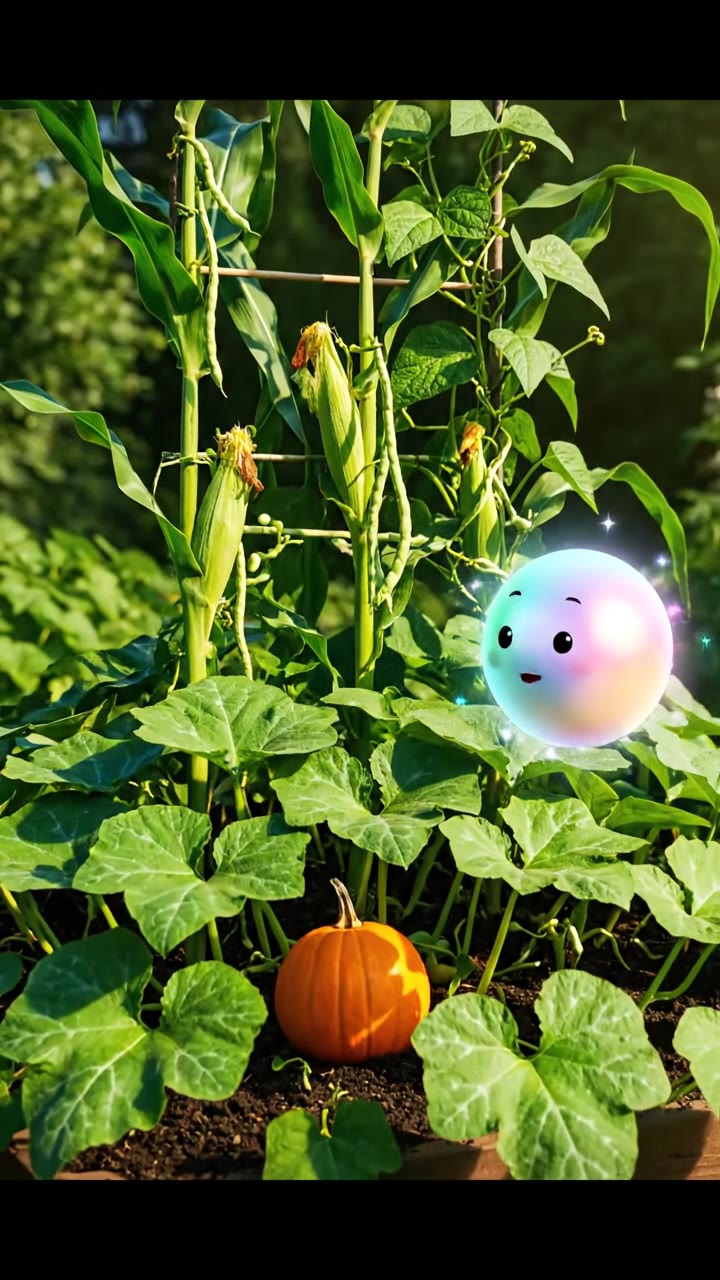
Three Sisters Companion Planting Alliance
Indigenous farmers developed the 'Three Sisters' planting method, growing corn, beans, and squash together. The corn stalk provided a trellis, the beans fixed nitrogen in the soil, and the broad pumpkin leaves shaded the ground to prevent weeds and retain moisture.
The botanical breakthrough
The 10,000-year-old traveler
Global plates and culinary shape shifters

play_review Gardeners adapted pumpkin seeds to new climates after explorers brought them home in 1492.
play_review Indigenous farmers planted three crops together to naturally fertilize the soil and prevent weeds.
play_review Early humans in Guilá Naquitz cave harvested bitter wild pumpkins solely for their nutritious seeds.
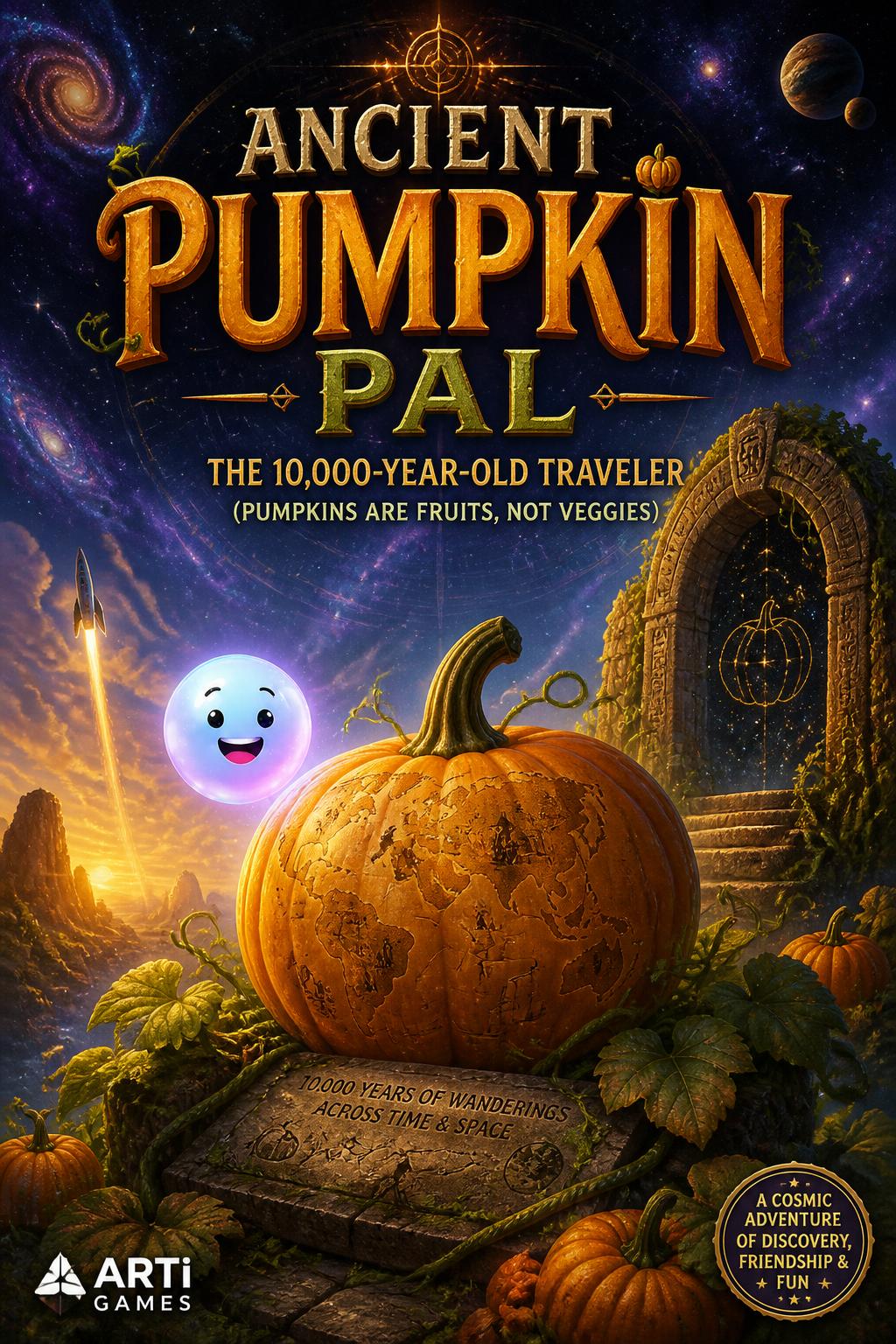
play_review Classify ancient plant parts to discover why pumpkins are scientifically fruits, not vegetables.
play_review Ancient Pumpkin
Before we grew the corn, this golden fruit was growing strong!
play_review Irish immigrants in North America swapped traditional turnip lanterns for larger and easier native pumpkins.
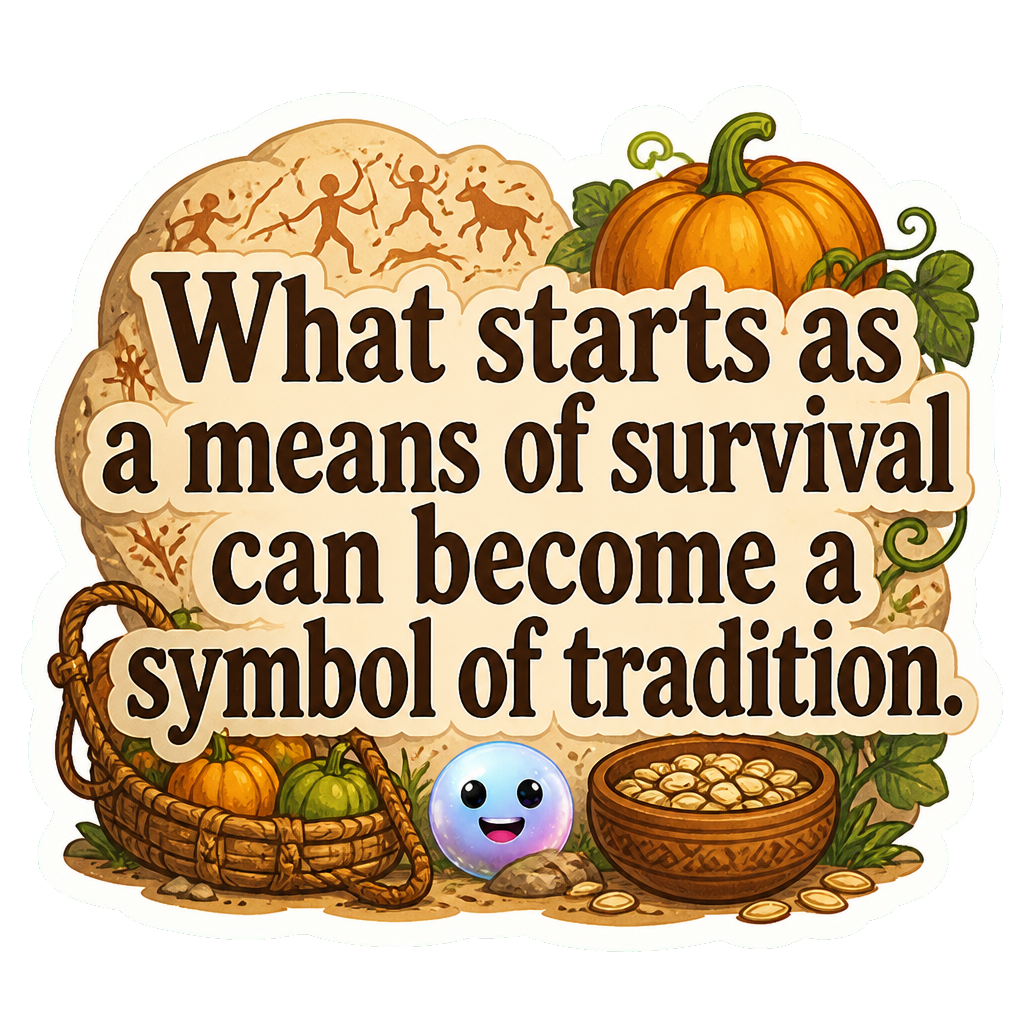
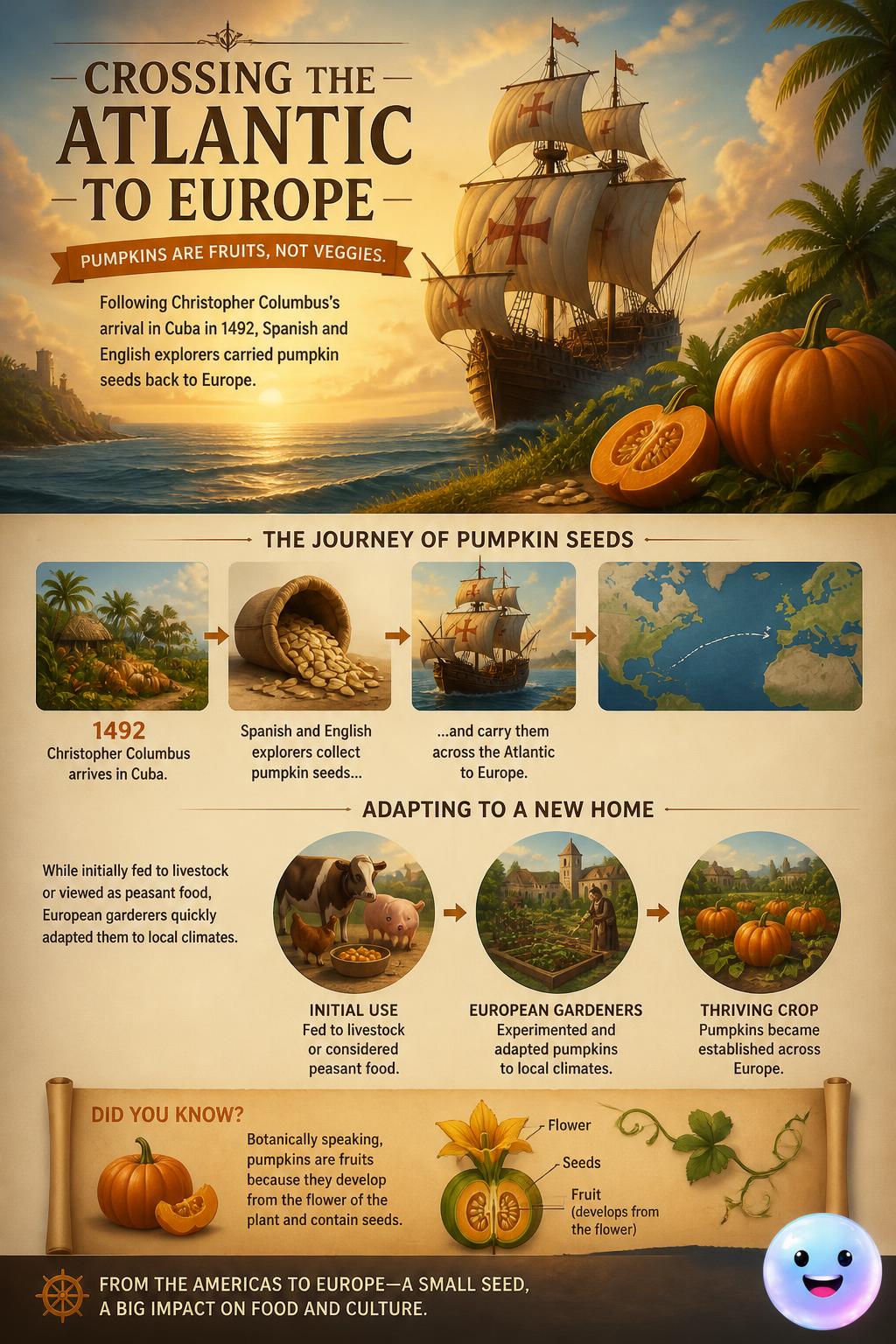
play_review Spanish and English explorers carried the seeds to Europe, where they overcame their status as peasant food and
Ancient Mexican seeds: Pumpkin seeds found in Guilá Naquitz, Mexico, are roughly 10,000 years old, making pumpkins one of the oldest domesticated crops.
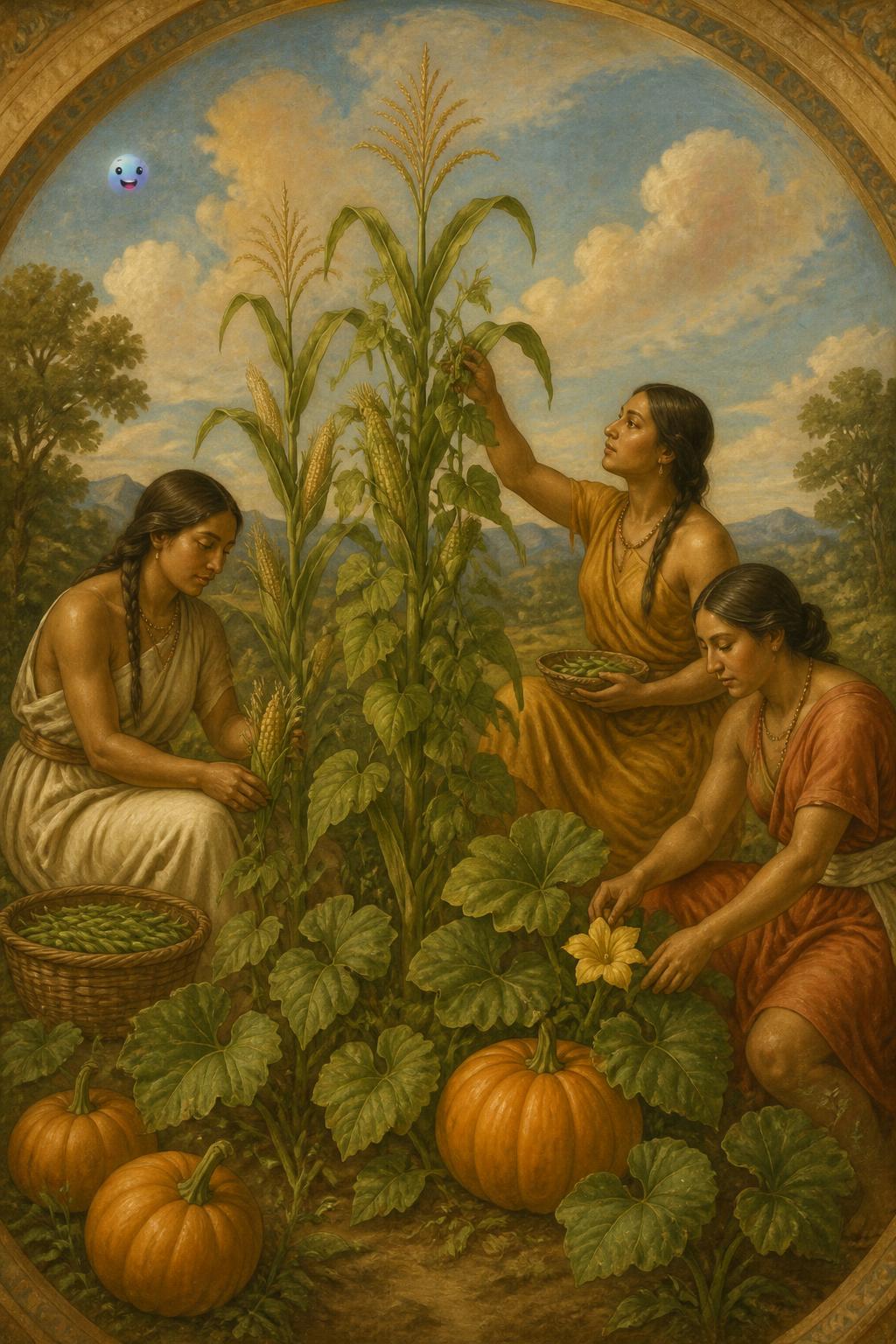
play_review Luminous Renaissance fresco painting of climbing beans, broad pumpkin leaves, and tall corn
The edible fruit of various plants of the gourd family, typically round or oblong with a tough rind. Archaeologists in Oaxaca found ten-thousand-year-old seeds, the earliest evidence of agricultural domestication in the Americas.
What vegetable was traditionally carved into lanterns in Ireland before immigrants discovered American pumpkins?
Which European explorer is credited with first observing pumpkin fields in Cuba in 1492?
In which modern-day country was the oldest archaeological evidence of domesticated pumpkin seeds discovered?
Which ancient Mesoamerican civilization used pumpkin juice to treat burns and pumpkin seeds for medicine?
In the Indigenous 'Three Sisters' farming method, what specific role did the pumpkin plant play?
Why did ancient humans first gather and cultivate wild pumpkins, despite their bitter flesh?
What is the primary reason pumpkins did not become highly popular in Northern Europe initially?