Chapter 1
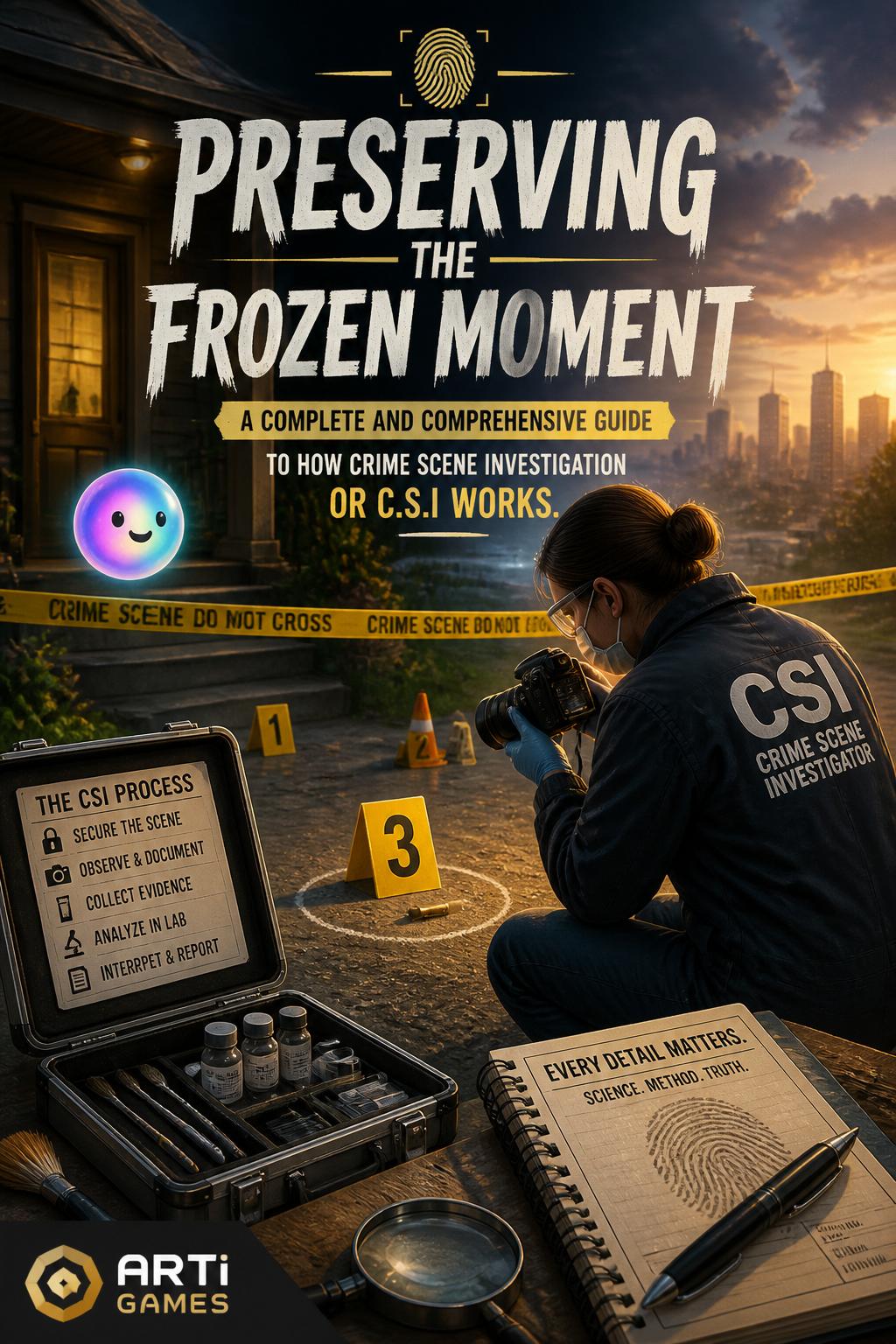
Preserving the frozen moment
Chapter 2
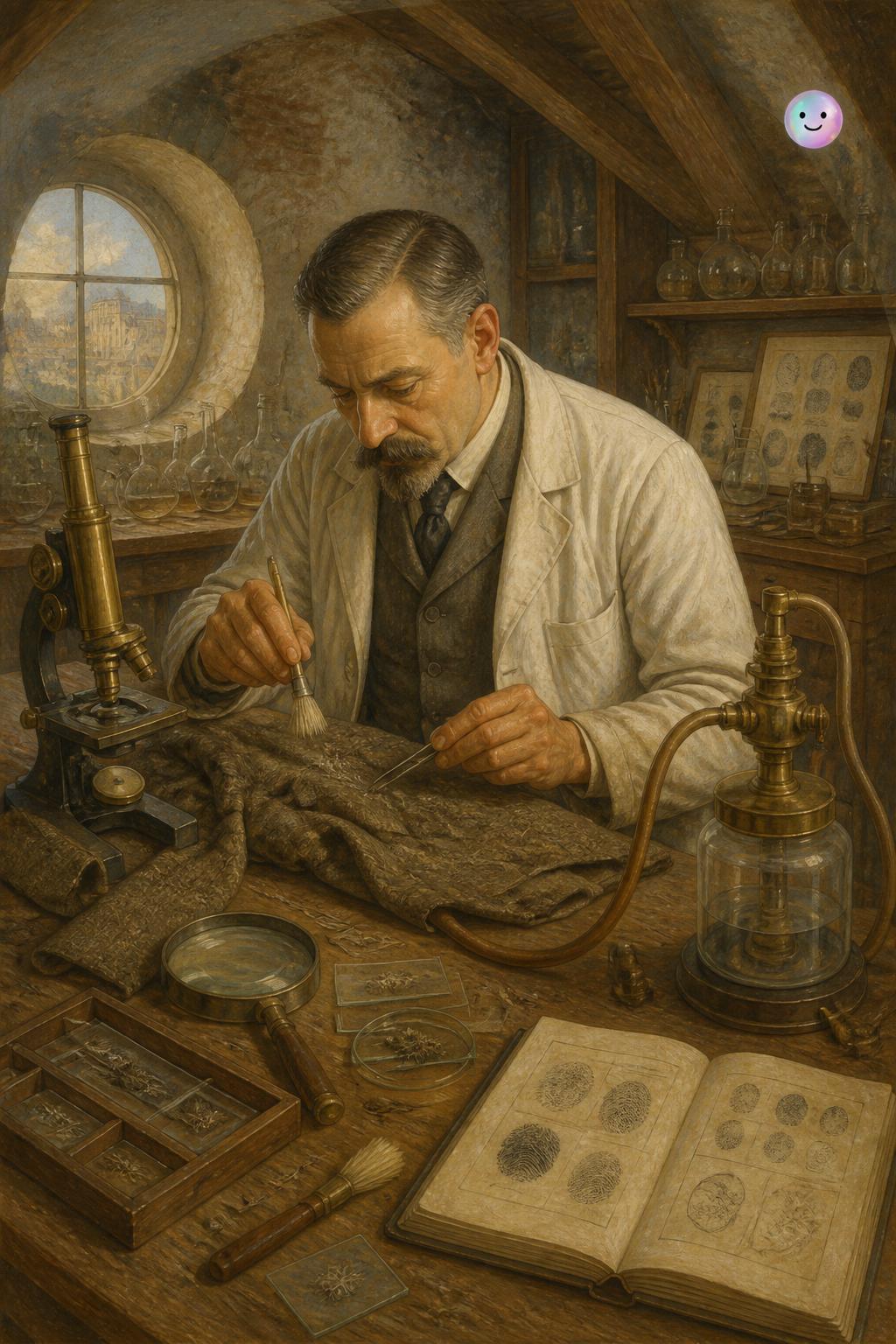
The invisible world of trace evidence
Chapter 3
Decoding the biological blueprint
Chapter 4
Toolmarks, digital trails, and ballistics
YOUR GOAL
Master of The science of crime scenes
Ch 1 · Preserving the frozen moment
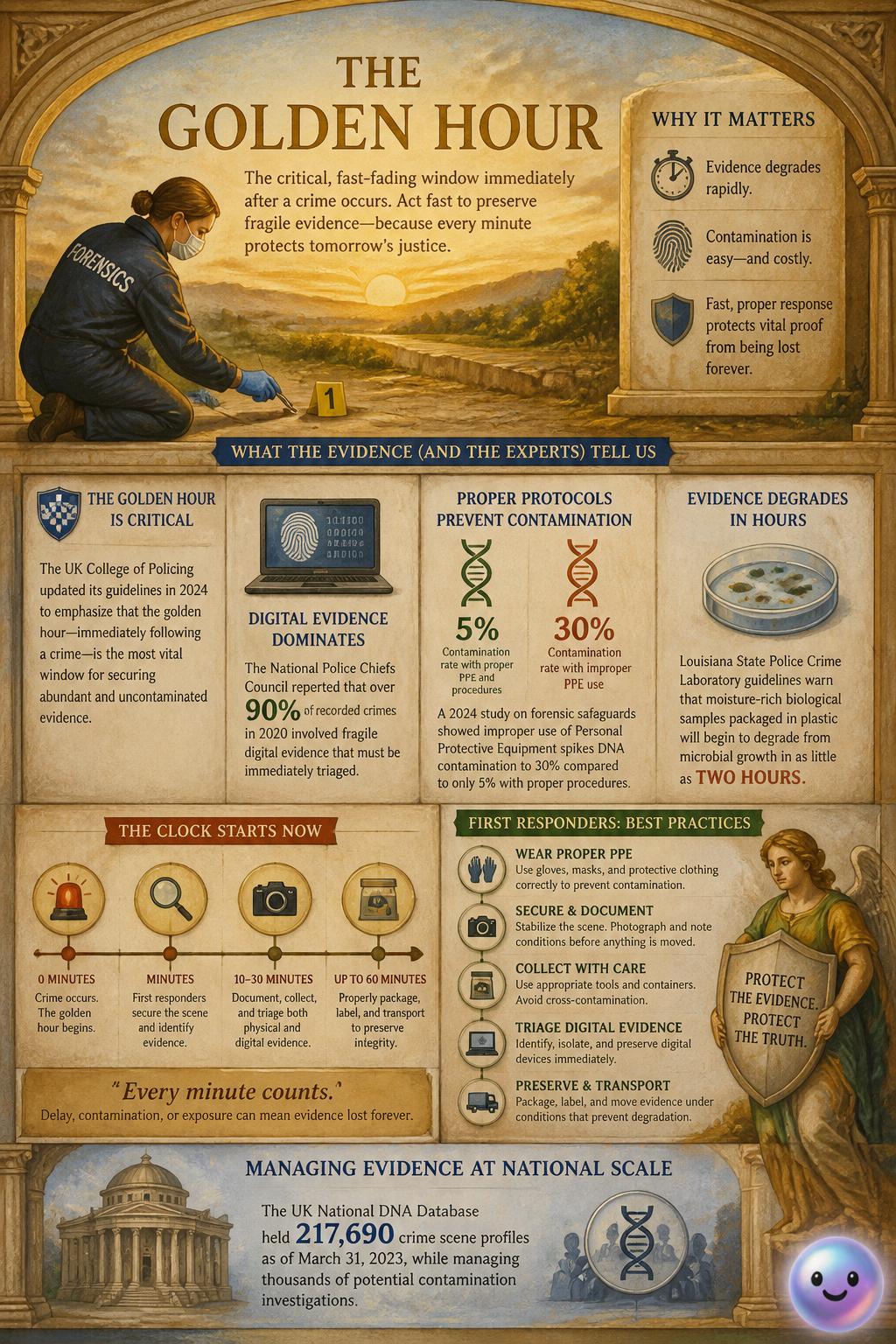
renaissanceman Crime Scene Preservation
Freeze the scene, freeze the scene! Now we scan it in 3D.
mankai See the clever tools detectives use to shield fragile footprints from sudden rain.
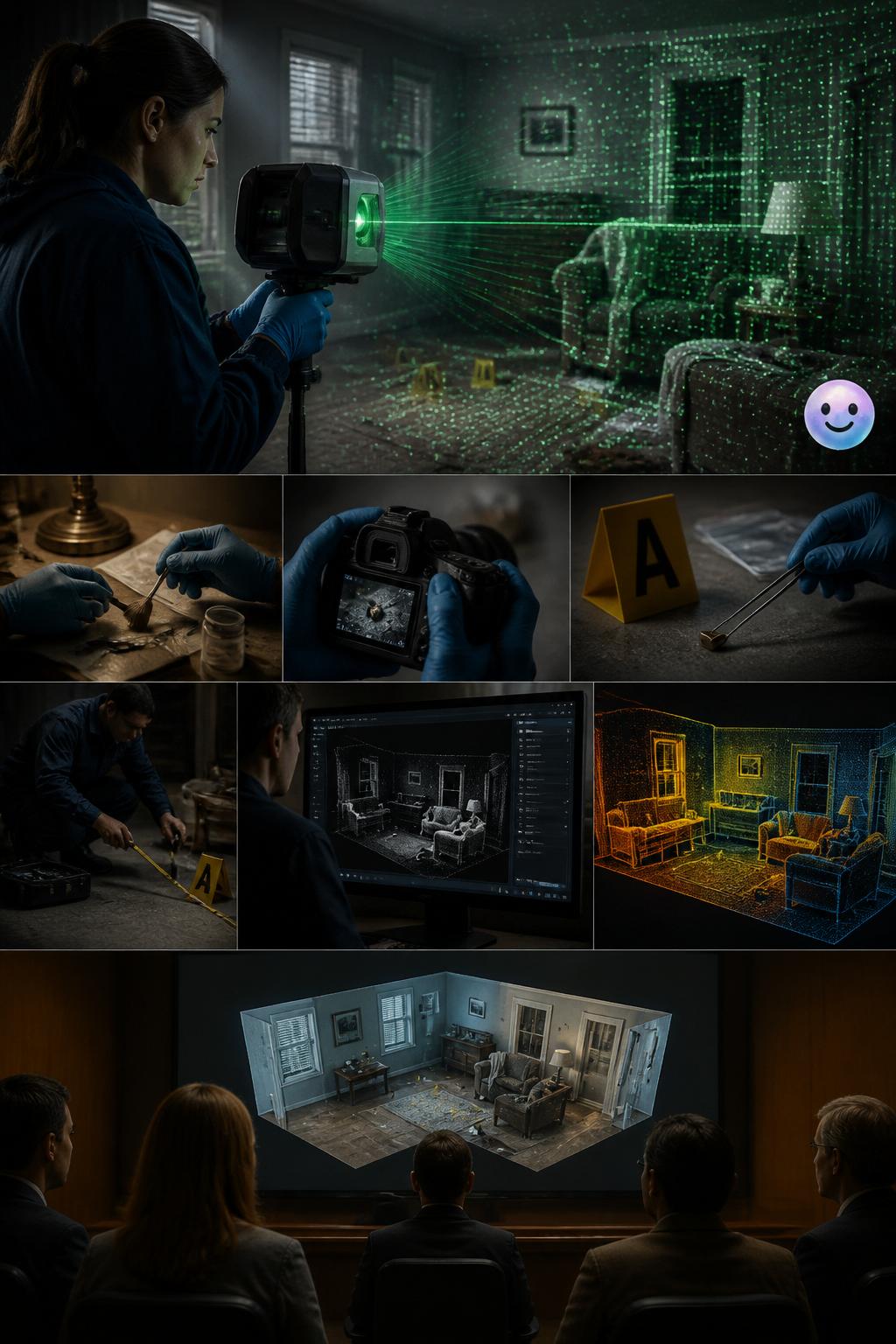
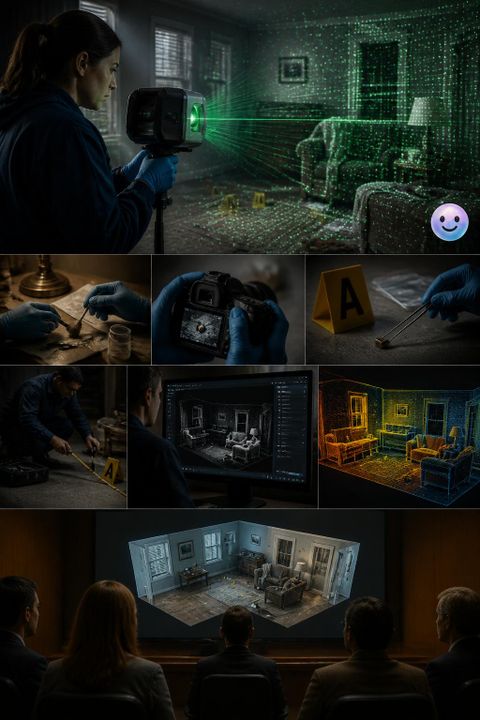
renaissanceman Modern investigators use high-tech 3D scanners to capture every millimeter of a room before anything is touched.
BETA
renaissanceman Photograph each undisturbed clue to learn how investigators freeze a crime scene in time.
Fun Fact
Evidence trails: A single missing signature on an evidence log can ruin years of detective work by making crucial DNA proof inadmissible in court.
Glossary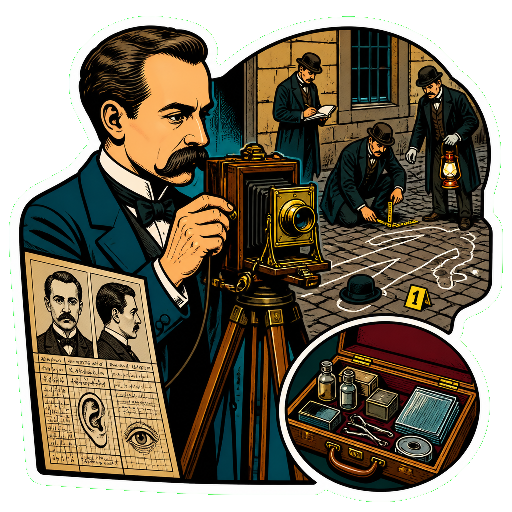
forensic photography (noun)
The process of producing photographic evidence for use in a court of law. In the 1800s, Alphonse Bertillon pioneered systematic methods to document French crime scenes using this medium.
The process of producing photographic evidence for use in a court of law. In the 1800s, Alphonse Bertillon pioneered systematic methods to document French crime scenes using this medium.
Fun Fact
Locard's principle: Edmond Locard founded the world's first police crime laboratory in Lyon, France, in 1910.
Quiz
What is the primary purpose of dividing an indoor crime scene into 'zones'?
Quiz
Which tool is traditionally used to establish the physical boundary of a crime scene?
Quiz
In what year did Edmond Locard establish the first official police crime laboratory?