
On which Spanish island did Hausmann live and photograph traditional
On which Spanish island did Hausmann live and photograph traditional life during the 1930s?
The birth of Berlin Dada and photomontage
The mechanical head and sensory art
Exile, photography, and the Ibiza years
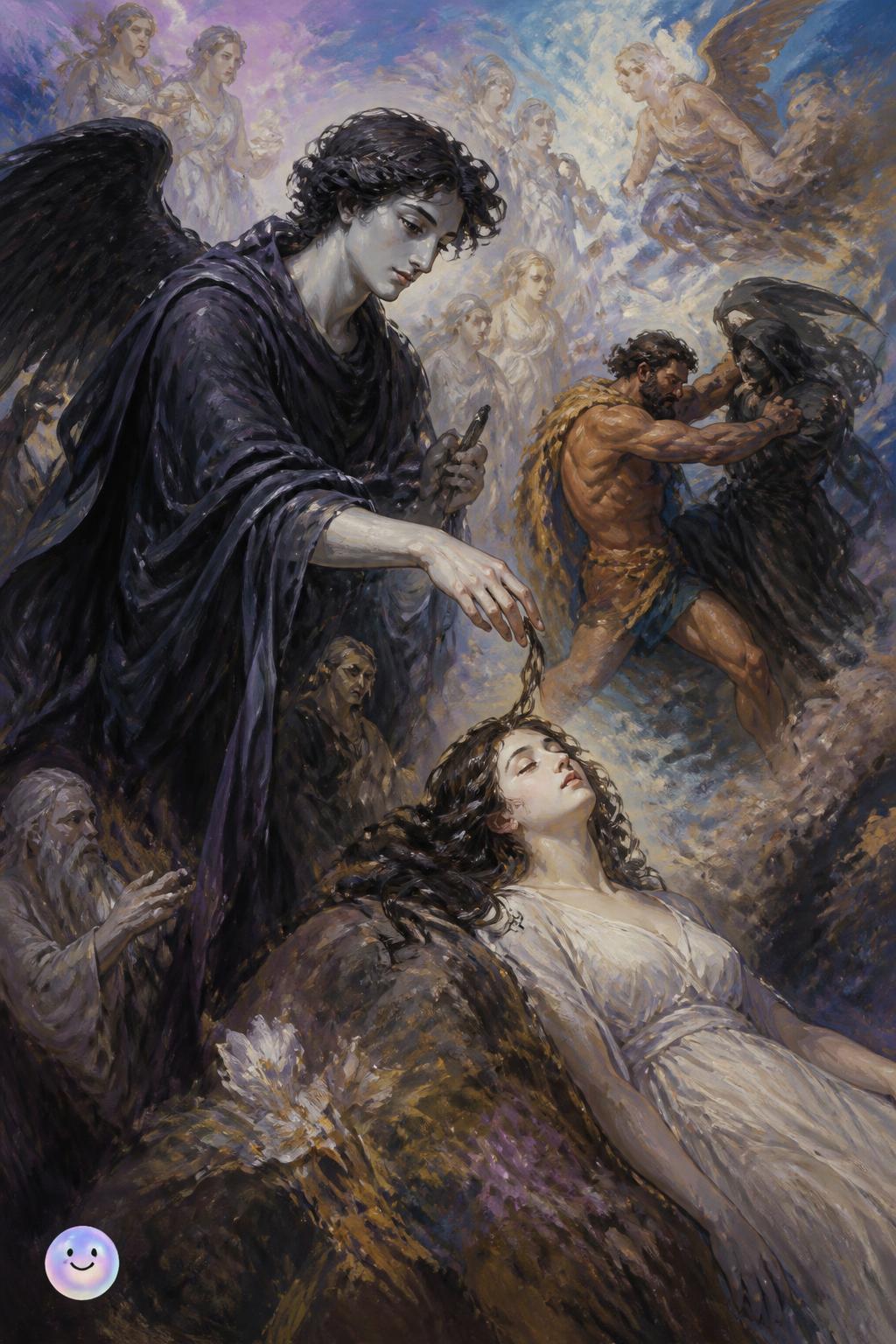
schopenhauer Classified as a degenerate artist, Raoul Hausmann fled Berlin and traveled through Czechoslovakia, Switzerland, and Spain.
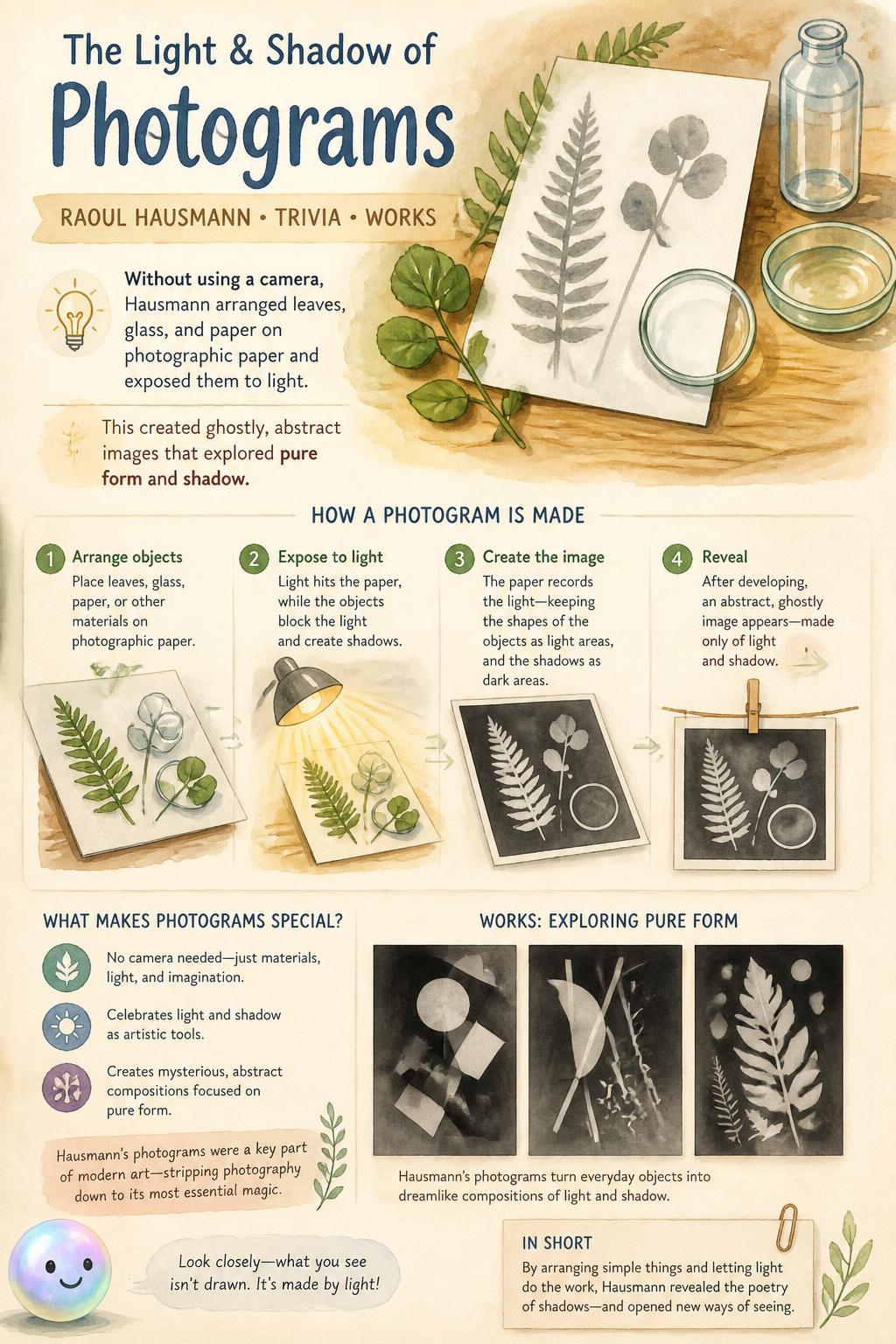
schopenhauer Hausmann experimented with photograms, creating images by placing objects directly onto light-sensitive paper.
Degenerate art: The Nazi regime included Hausmann's work in their infamous 1937 'Degenerate Art' exhibition, which was intended to mock modern art but backfired by drawing millions of viewers.
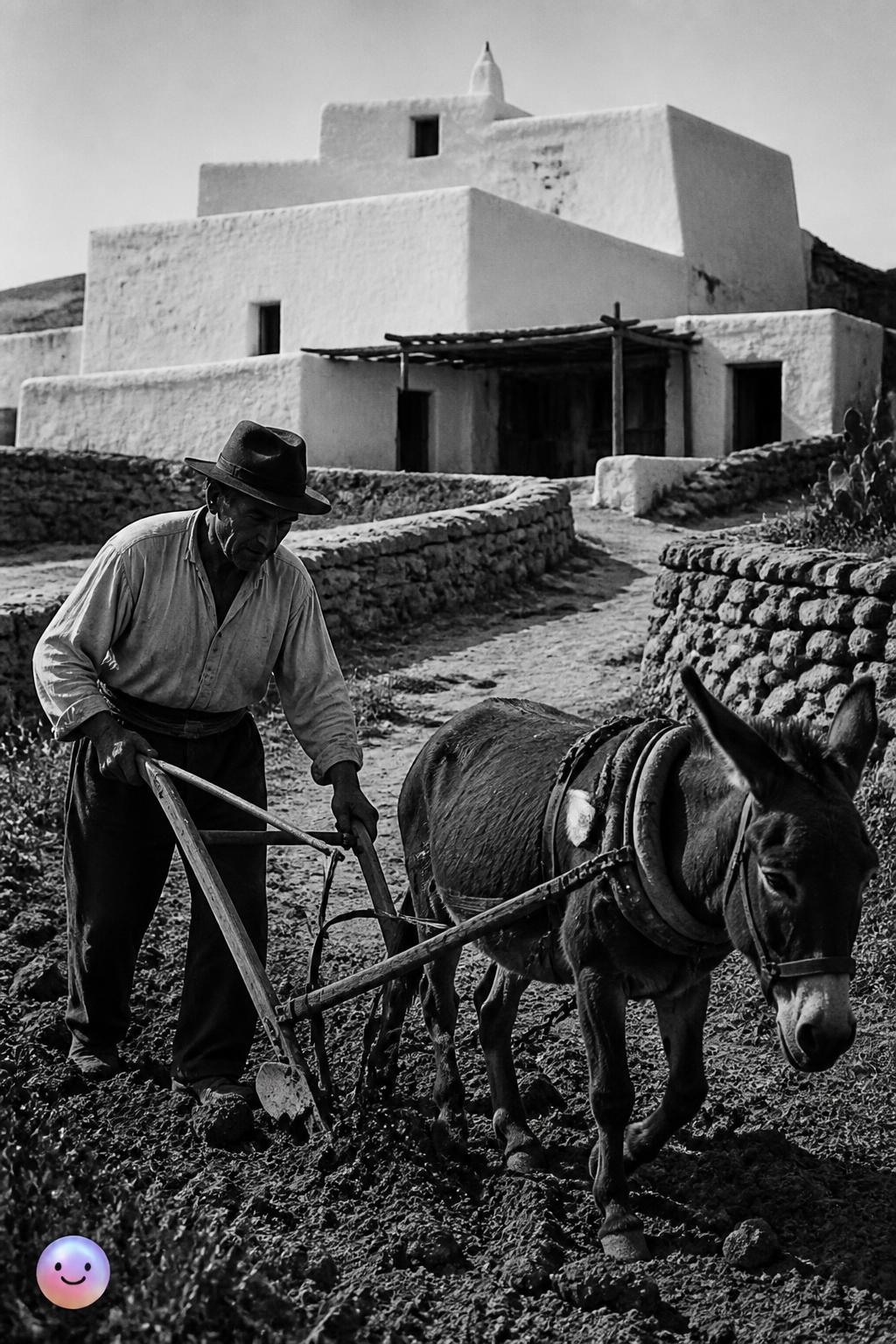
schopenhauer Settling on the Spanish island of Ibiza in 1933, Hausmann became a pioneering ethnographic photographer.
The state of being barred from one's native country, typically for political or punitive reasons. After fleeing Nazi Germany in 1933, Raoul Hausmann relocated to Ibiza to document traditional Balearic life.
Which of these countries did Hausmann NOT live in during his exile from Germany?

schopenhauer Match the best-fitting cutouts to learn how Raoul Hausmann designed his Dadaist masterpieces.
schopenhauer Raoul Hausmann photographed Ibizan farmers and architecture, preserving a pre-tourist lifestyle before the civil war.
On which Spanish island did Hausmann live and photograph traditional life during the 1930s?
In which French city did Hausmann spend his final decades and preserve his Dada archives?
What term did the Nazi regime use to label modern art they disliked, including Hausmann's?