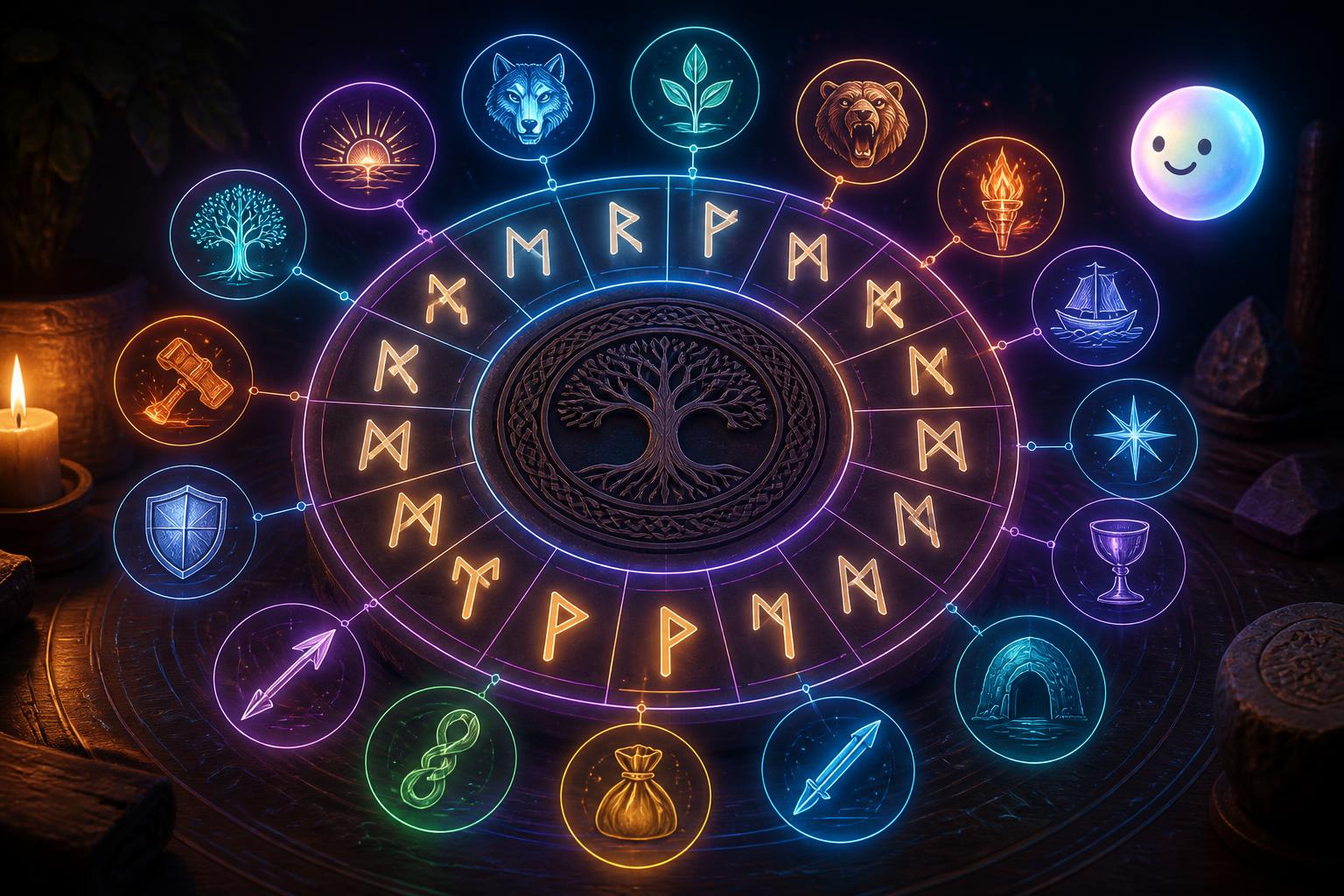
runecasting: (noun) The practice of using runic symbols for divination, decision-making, or self-reflection. In 98 CE, Roman historian Tacitus first described Germanic tribes using this method with marked wooden strips.
Chapter 1
The architecture of the first alphabet
Chapter 2
Reading the runes of everyday life
Chapter 3
Magic, protection, and the final transition
Ch 2 · Reading the runes of everyday life
renaissanceman Elder Futhark Everyday Runes
My comb says comb, and my knife is a little sword!
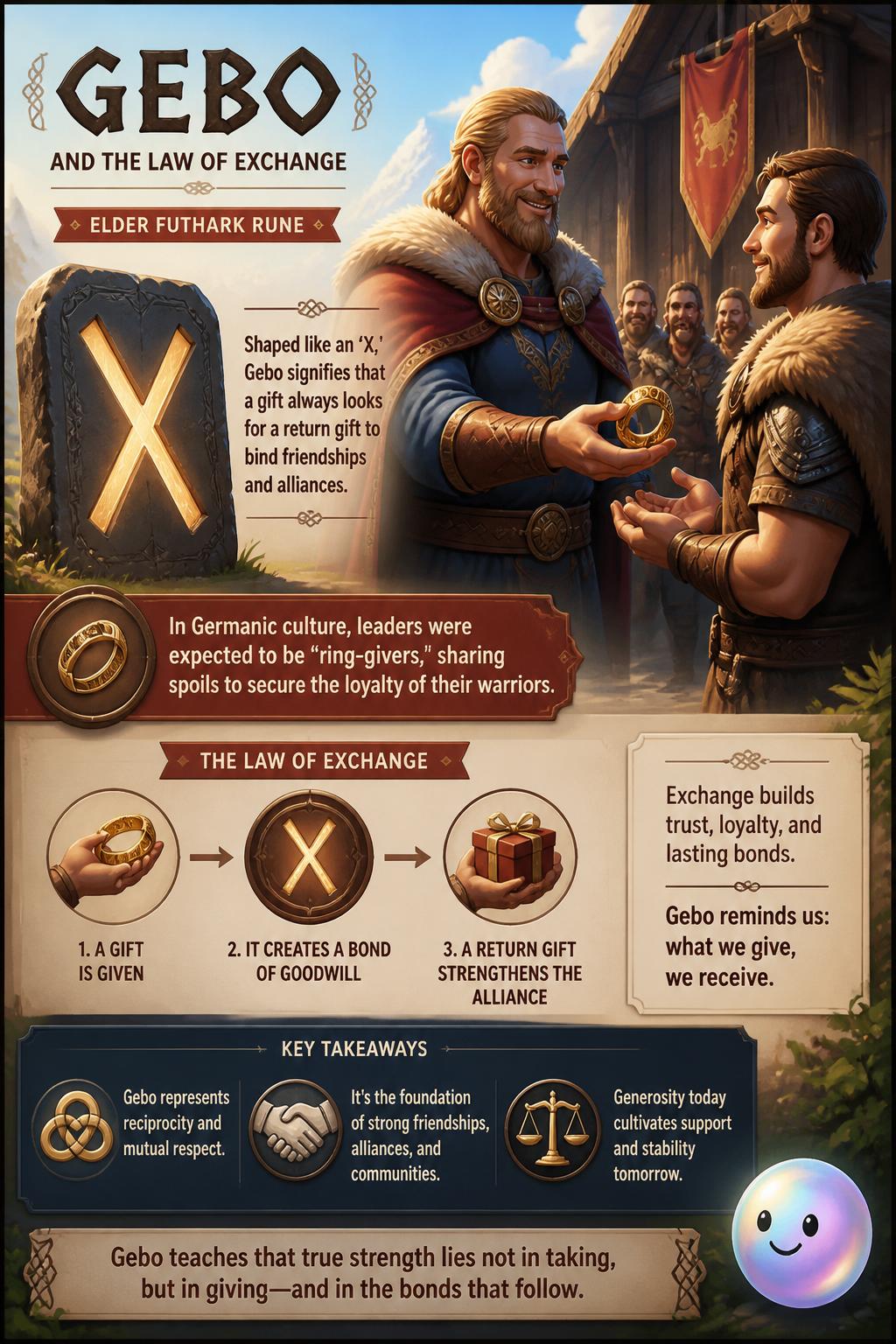
renaissanceman Gebo represents the deep social obligations of giving, receiving, and maintaining balance in relationships.
Fun Fact
Cattle as cash: The English word 'fee' directly descends from the Old English rune 'Feoh' meaning cattle, showing how wealth evolved from livestock to currency.

renaissanceman Thurisaz embodies the dual nature of protection and danger, represented by giants and sharp thorns.
Glossary
runecasting (noun)
The practice of using runic symbols for divination, decision-making, or self-reflection. In 98 CE, Roman historian Tacitus first described Germanic tribes using this method with marked wooden strips.
The practice of using runic symbols for divination, decision-making, or self-reflection. In 98 CE, Roman historian Tacitus first described Germanic tribes using this method with marked wooden strips.
BETA
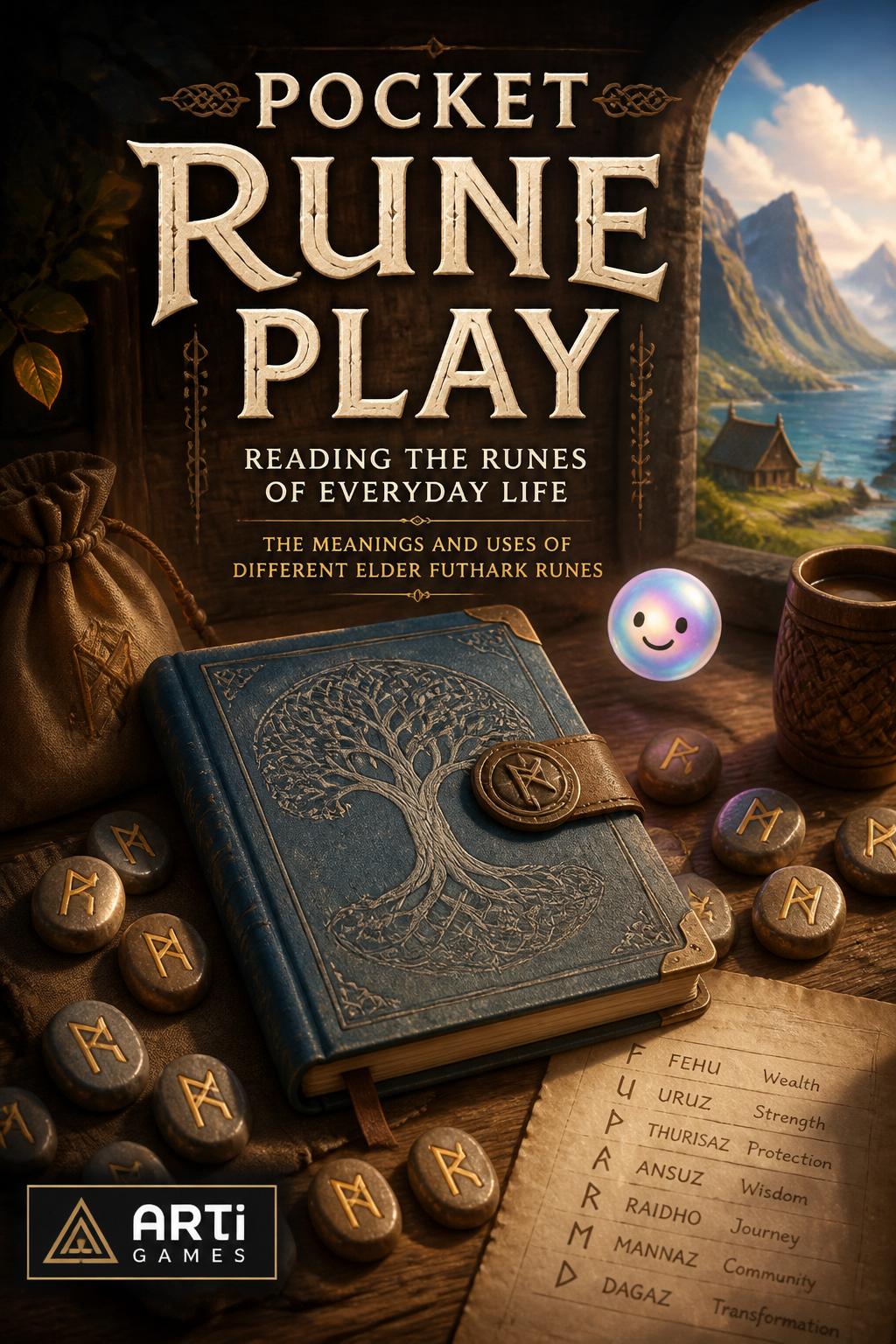
renaissanceman Match ancient rune stones to learn the meanings and uses of the Elder Futhark.
Quiz
What did the first Elder Futhark rune, Fehu, physically represent in ancient Germanic society?
Quiz
Why was Fehu's wealth considered something that must be actively shared rather than hoarded?
Quiz
What natural object and mythological beings does the rune Thurisaz represent?
Quiz
Which rune, shaped like an 'X', represents the concept of mutual giving and hospitality?
Quiz
What does the rune Kenaz symbolize, often associated with warmth and creation?
Quiz
Which rune represents the concept of joy, harmony, and the absence of suffering?