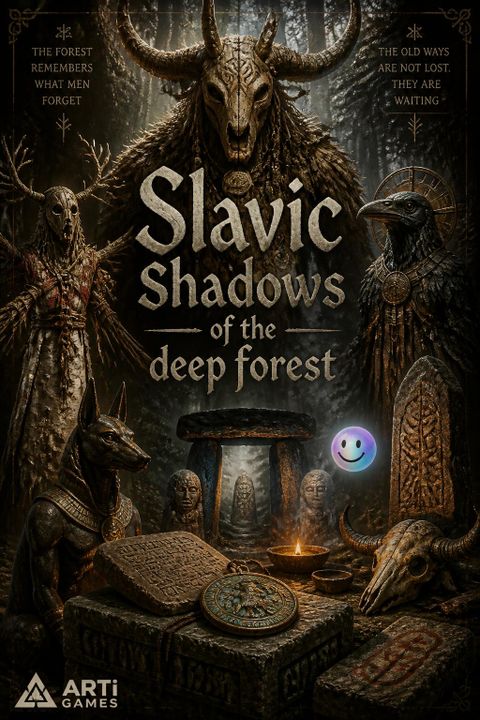
Slavic shadows of the deep forest
Decode ancient forest clues to discover the real history behind Slavic folklore's darkest legends.
Mesopotamian guardians of the wind
Egyptian judges of the dead
Slavic shadows of the deep forest
Alpine enforcers of the winter solstice
renaissanceman Baba Yaga steers her flying mortar with a pestle and sweeps tracks with a silver birch broom.
renaissanceman Baba Yaga's Hut
Those chicken legs were pillars charred in smoke, An ancient tomb of wood before the legend woke.
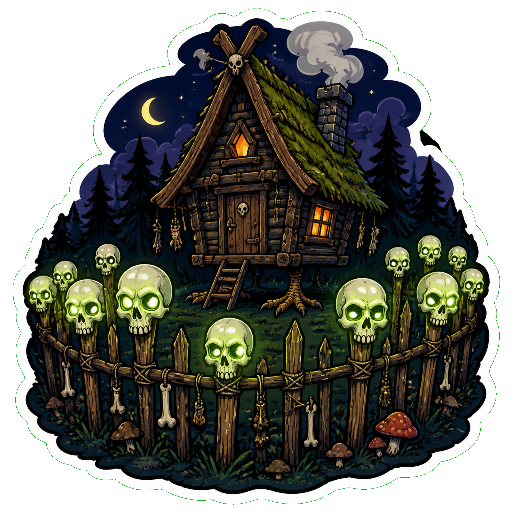
renaissanceman Fenced with human bones, Baba Yaga’s running hut divides the mortal world from the supernatural forest.

renaissanceman Baba Yaga is not purely evil; she often helps heroes who show her proper respect.
Baba Yaga's fence: The fence around Baba Yaga's hut features glowing skulls that can shoot fire to destroy her enemies or light a hero's path.

renaissanceman Instead of flying on a broomstick, Baba Yaga travels in a giant flying stone mortar.
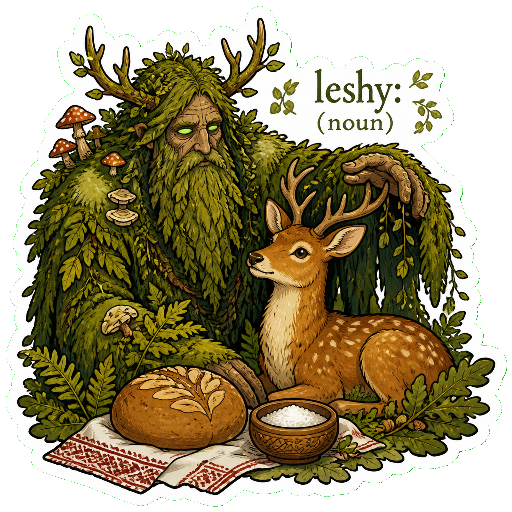
A tutelary forest spirit in Slavic folklore who protects woodlands and wild animals. In Eastern Europe, rural hunters historically offered this shapeshifter bread and salt for safe passage.

renaissanceman Decode ancient forest clues to discover the real history behind Slavic folklore's darkest legends.
renaissanceman Before Christianization, Slavic tribes revered forest spirits like Baba Yaga, who controlled the elements.
renaissanceman Baba Yaga rewards hardworking guests with magical items, but she eats those who fail her tests.
In which century did the Christianization of Slavic lands begin to alter pagan folklore?