
Viking Hygiene: The Surprising Truth About Norse Cleanliness
Excavations at sites like York and Birka regularly reveal ear spoons, tweezers, and decorated bone combs. Anglo-Saxon chronicler John of Wallingford noted that Norsemen bathed every Saturday, combed their hair, and changed clothes frequently to attract local women.
The horned helmet myth and daily life
Master shipbuilders and global explorers
The power of Norse women
Gods, runes, and the written word
misslily Were the Vikings actually dirty? Watch to uncover the surprising truth about Norse hygiene, grooming habits, and common historical myths.
misslily Explore the social structure of the Vikings. This video breaks down the three distinct tiers of Norse society, separating myth from historical reality.
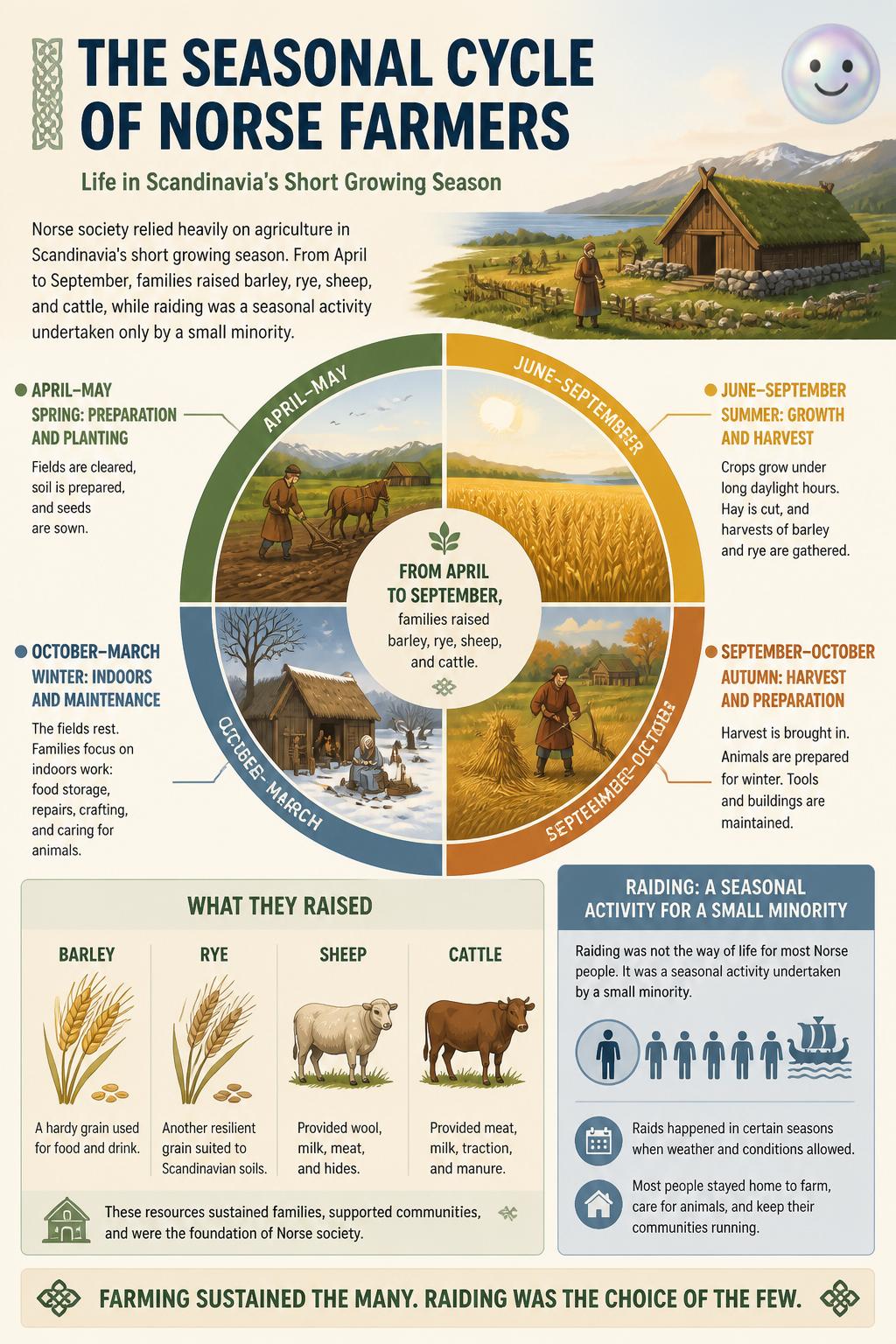
misslily Most Norse people were peaceful farmers and herders rather than full-time raiders and warriors.
Viking bath days: The Norse word for Saturday, Laugardagur, literally means washing day because they bathed every single week.
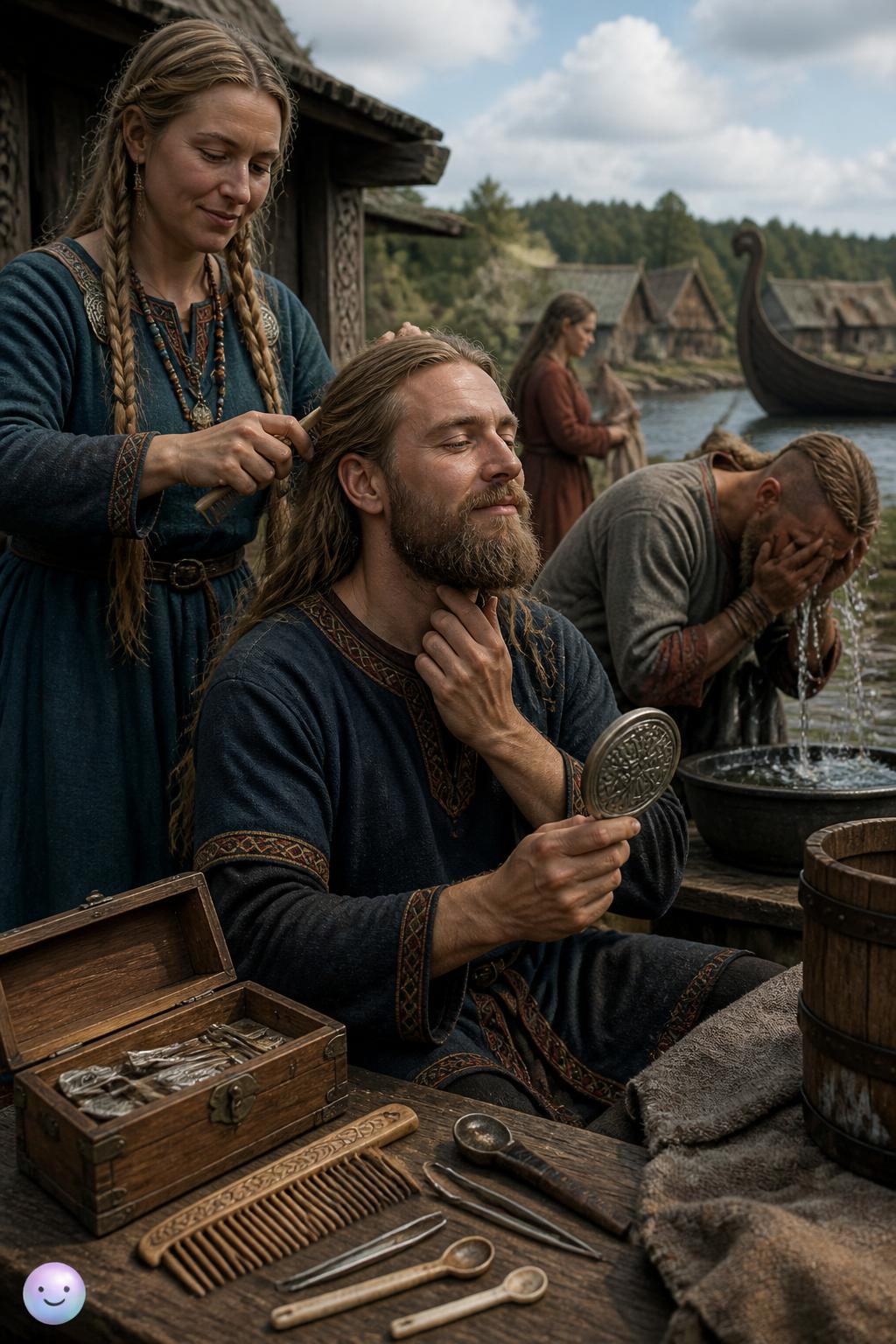
misslily Viking-era Norse people were exceptionally clean, bathing weekly and using specialized grooming tools daily.
A protective head covering made of hard material to resist impact. Excavated in 1943, the iron Gjermundbu helmet is the only intact headpiece surviving from the Viking Age.
What was the name of the local community assembly where Norse people voted on laws?
Which social class in Norse society had no legal rights and performed forced labor?
What is the name of the famous, rare 10th-century Viking helmet found without horns?