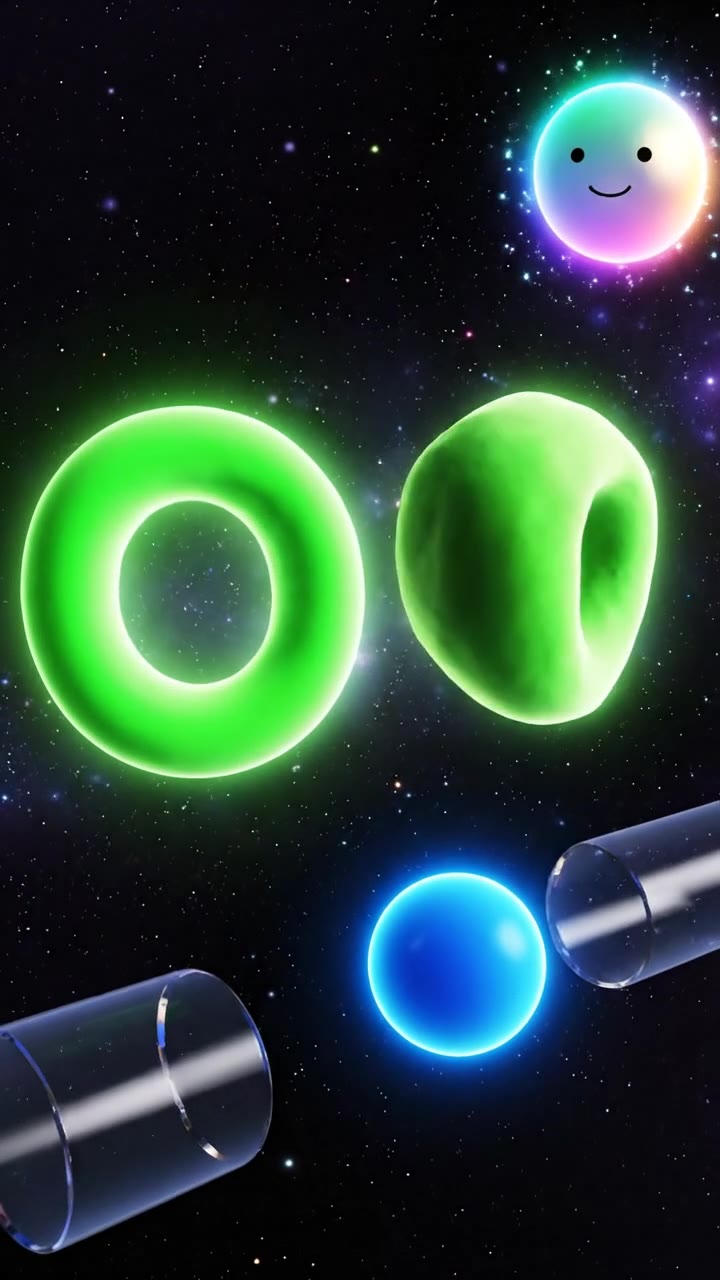
The electron and its mysterious family
Discovered by J.J. Thomson in 1897, the electron is responsible for electricity and chemical bonding. It has two heavier, short-lived siblings called the muon and the tau, which behave similarly but decay rapidly.
Chapter 1
Matter's inner recipe
Chapter 2
The lightweight wanderers
Chapter 3
The force carriers
Chapter 4
The mass giver
Chapter 5
Beyond the standard model
Ch 2 · The lightweight wanderers
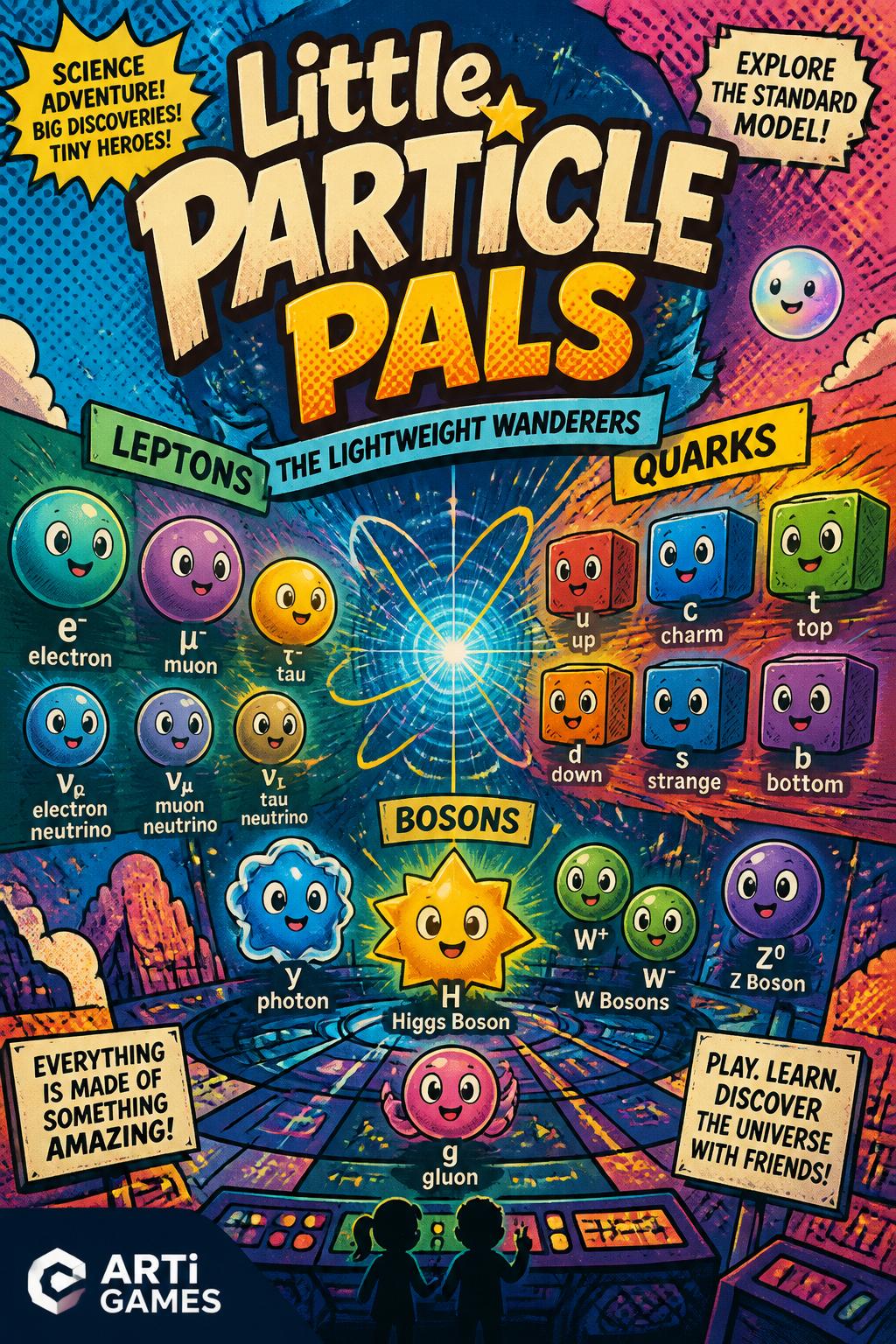
hue The Standard Model
We'd be flying at the speed of light without the Higgs boson slowing us down
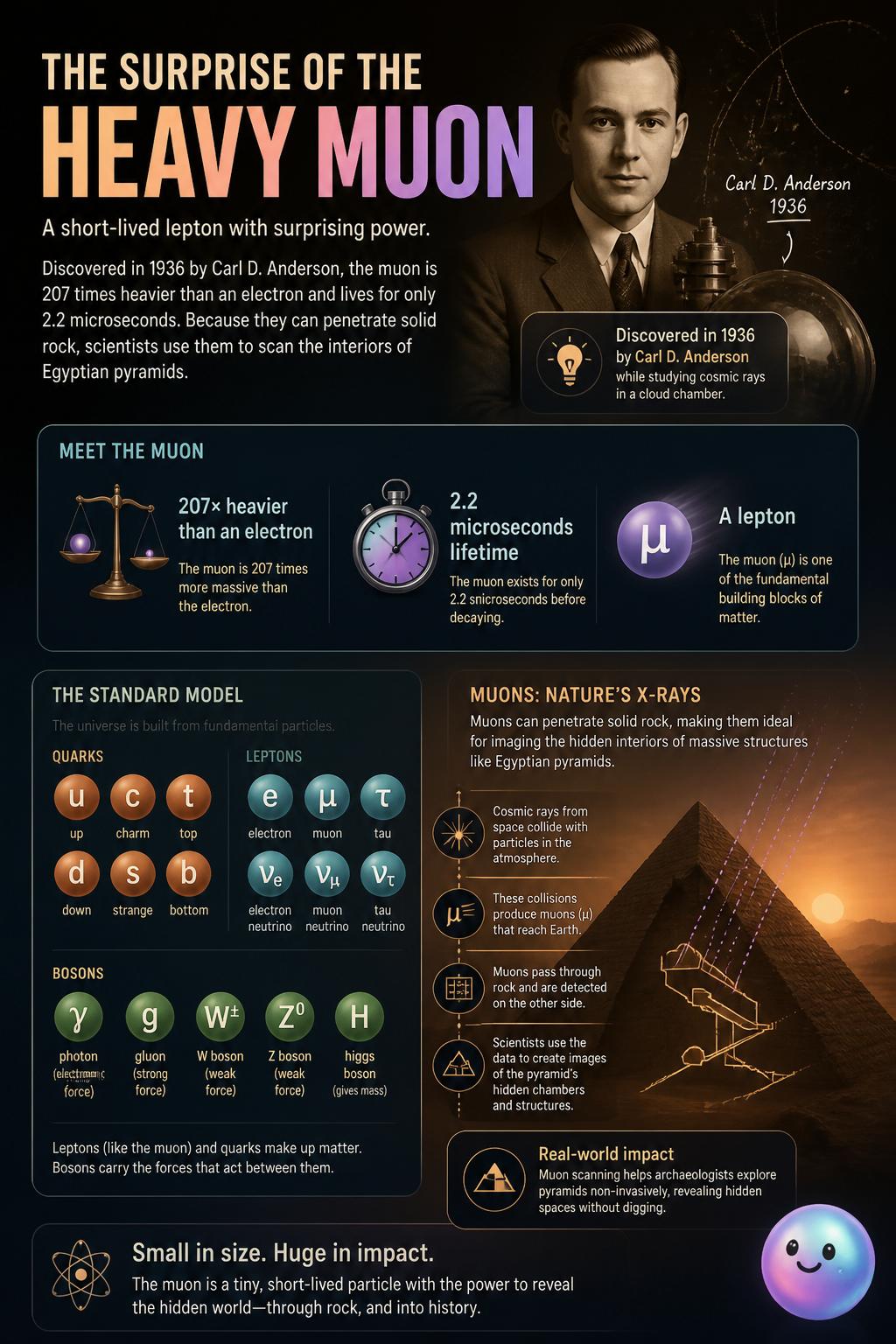
hue Muons are heavy cousins of electrons that rain down on Earth from cosmic ray collisions in the upper atmosphere.
Fun Fact
Neutrino abundance: About 100 trillion neutrinos pass through your body every single second without you feeling a thing.
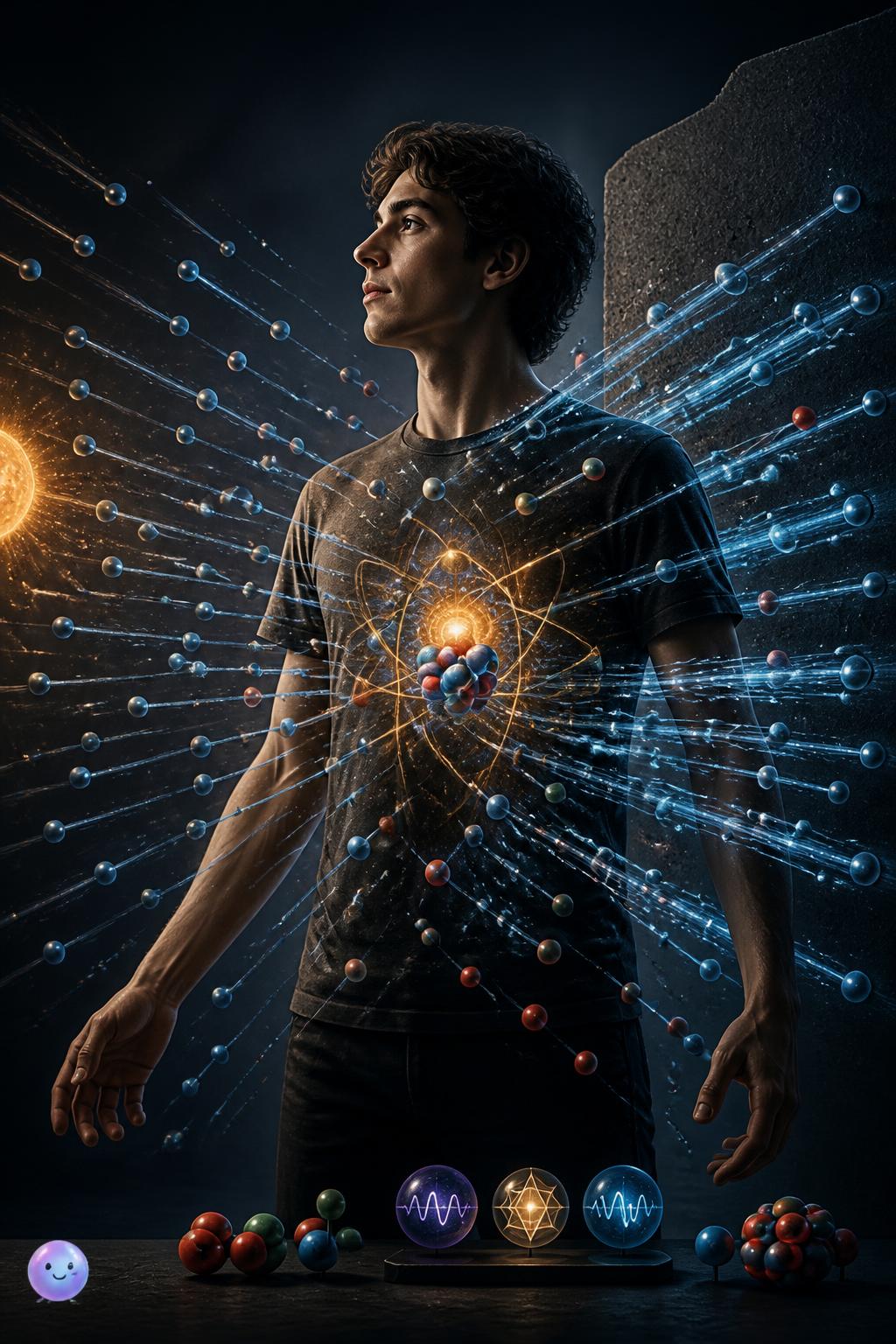
hue Neutrinos are nearly massless leptons that rarely interact with normal matter, making them incredibly hard to detect.
Glossary
lepton (noun)
Any of a family of subatomic particles, including electrons and neutrinos, that do not experience the strong force. Léon Rosenfeld coined the term in 1948, deriving it from the Greek word for small or thin.
Any of a family of subatomic particles, including electrons and neutrinos, that do not experience the strong force. Léon Rosenfeld coined the term in 1948, deriving it from the Greek word for small or thin.