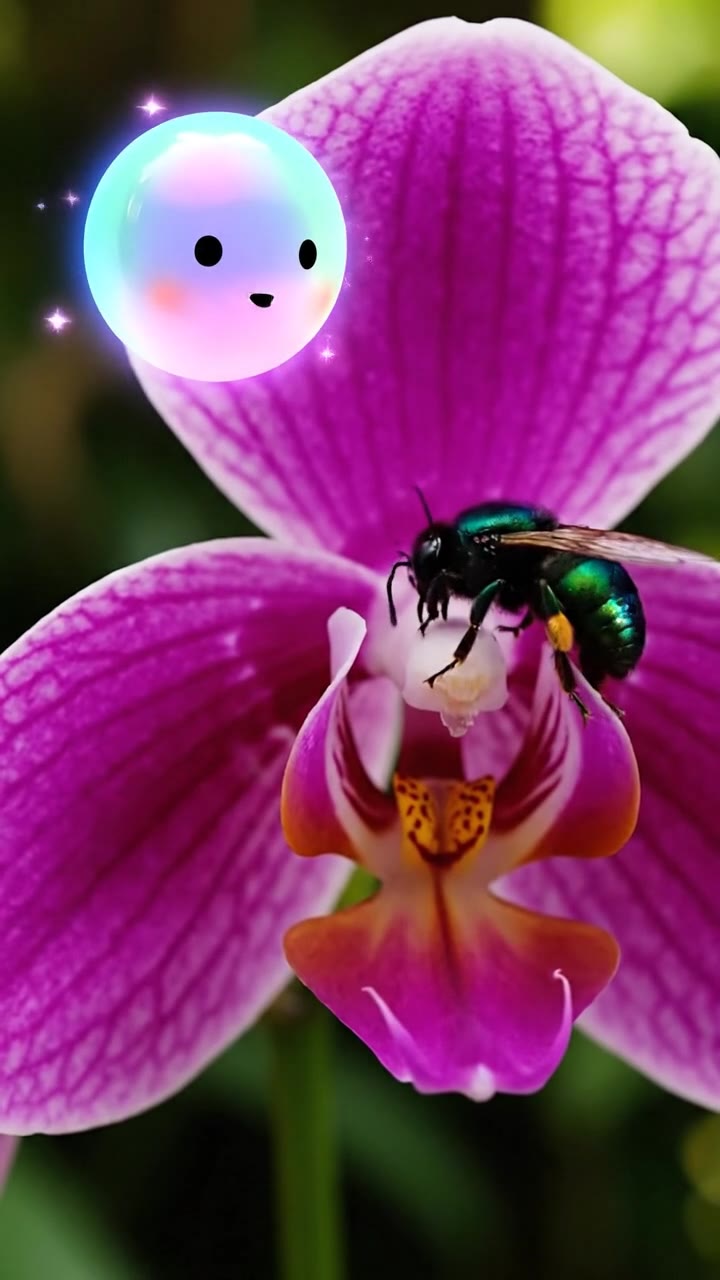
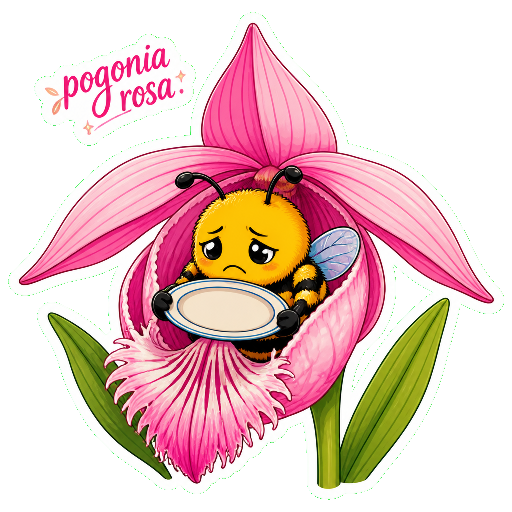
Orquídea de América del Norte que habita en pantanos y atrae polinizadores con su dulce aroma. Es la reina del fraude alimentario: promete un festín de néctar pero deja a las abejas vacías.
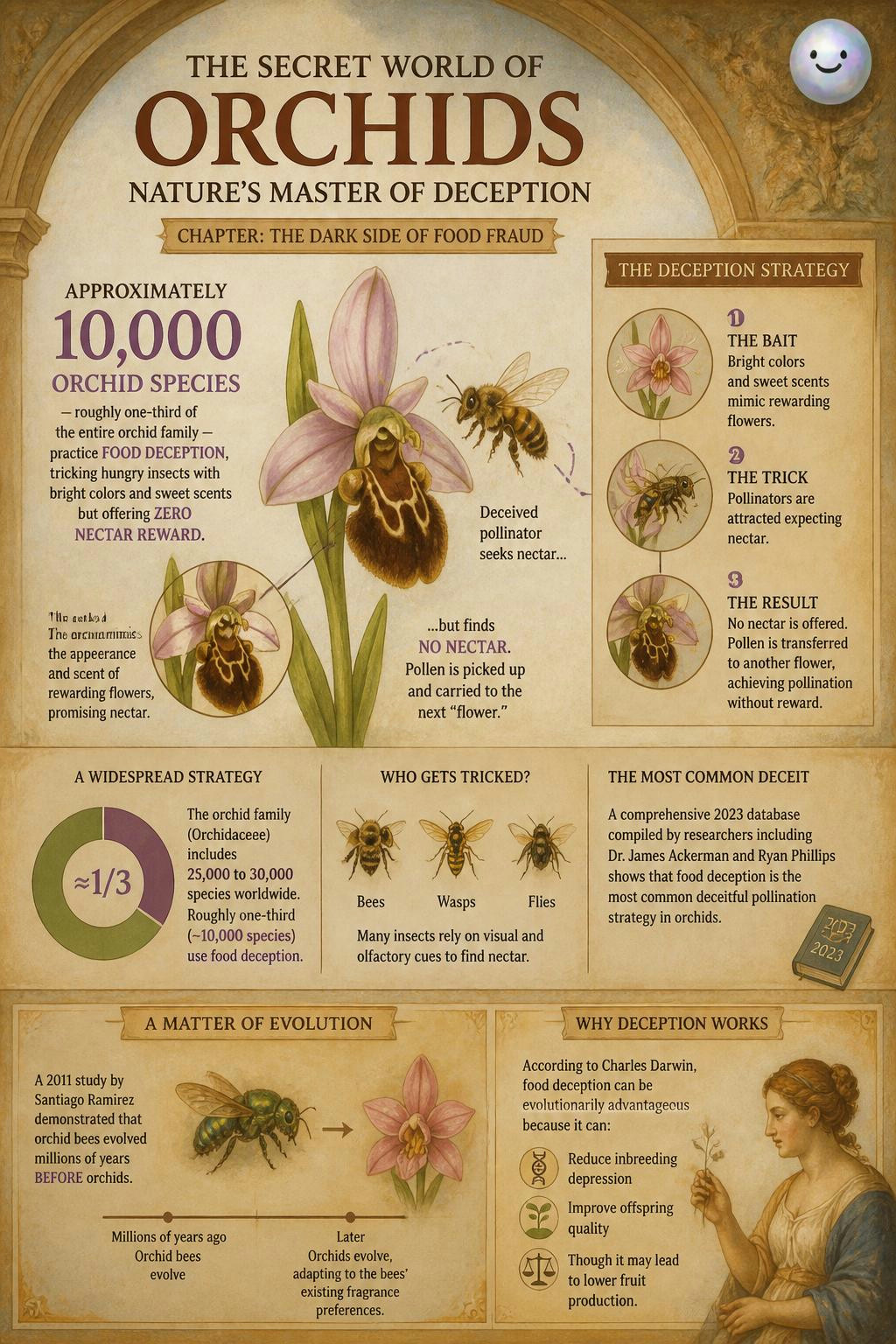
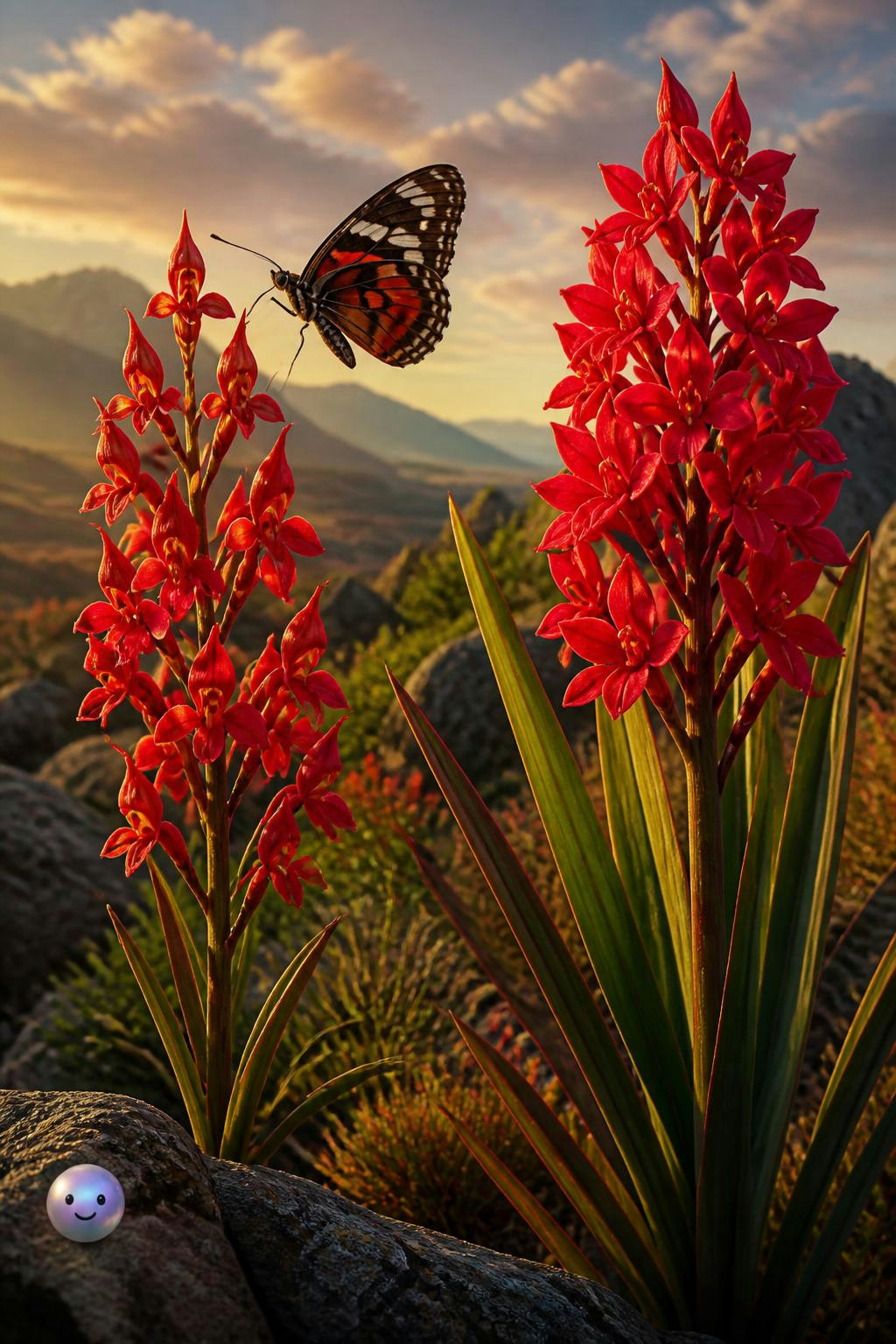

Out of 28,000 orchid species, roughly 10,000 practice food deception. They look and smell like nectar-rich flowers but produce zero nectar. Insects like bumblebees must learn by trial and error to avoid these freeloading plants, but the orchids rely on naive young insects.

Orchid food-fraud: The rose pogonia orchid uses fake yellow hairs to lure hungry bees. Instead of a real meal, they leave empty-handed but covered in pollen.

artiteacher Match hungry insects to fake nectar treats to discover how deceptive orchids trick pollinators.

artiteacher Match each orchid with its fooled pollinator to discover how these master deceivers survive.
artiteacher Food fraud
I look so sweet but there's no nectar here, baby I'm a beautiful lie!

artiteacher Rose pogonia orchids create fake yellow dust that looks like nutritious pollen to bees.
Slow learners: Young, inexperienced bees are the primary victims of food-deceiving orchids before they learn to avoid them.

artiteacher A South African orchid perfectly copies a red lily to steal its butterfly pollinators.
What does the North American rose pogonia orchid use to trick bees looking for protein?