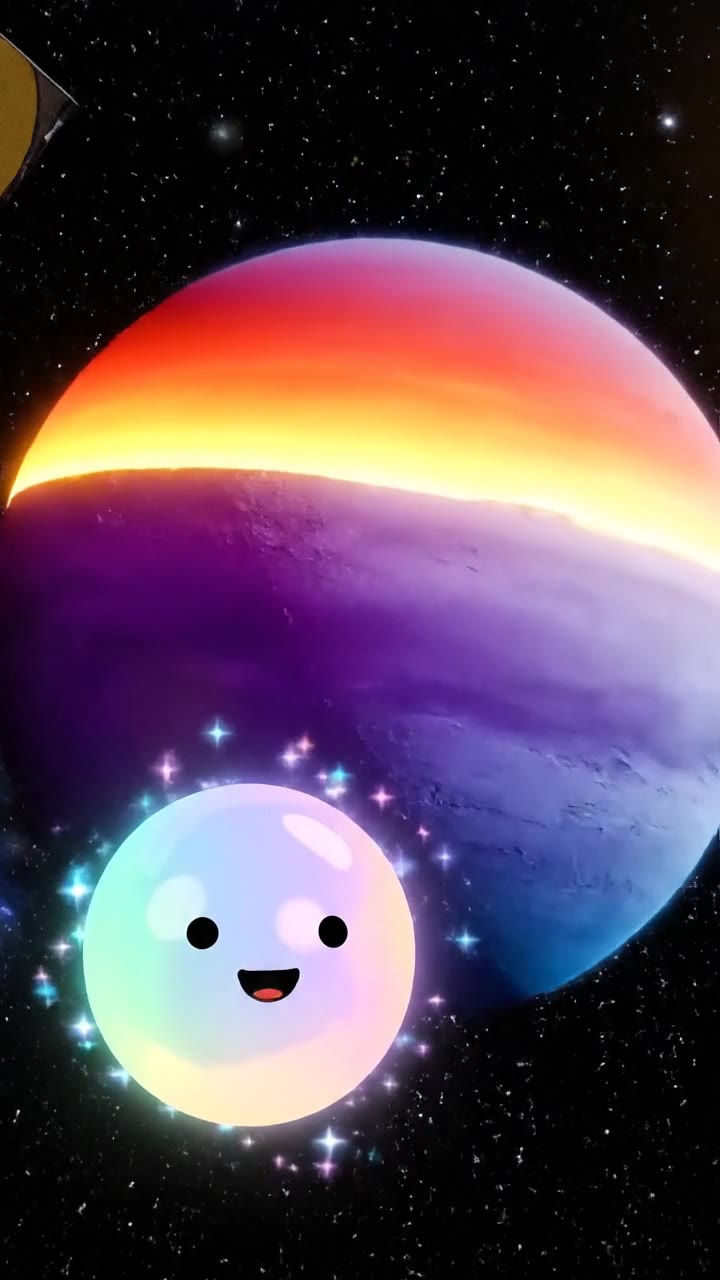
Extreme Nightside of a Scorching Lava Planet
While the winds do transport some heat, JWST measurements showed that the nightside of TOI-561 b is still far too cold to account for all the missing dayside heat. This helped scientists rule out heat transport as the sole cooling mechanism, pointing directly to the reflective clouds.
The impossible atmosphere of TOI-561 b
Sunscreen made of sand
The ocean of fire
The detective work of Webb

play_review JWST data revealed that reflective clouds, not winds, explain the surprisingly cold nightside of TOI-561 b.
play_review On exoplanet HD 189733b, immense pressure differences unleash supersonic winds that carry dayside heat to the frozen nightside.
play_review A global magma ocean on TOI-561 b releases gases to constantly rebuild the atmosphere that starlight strips away.
play_review TOI-561 b's Extreme Nightside
Reflective clouds keep the dayside cool, so the nightside stays frozen in the dark.
play_review Gravity tidally locks TOI-561 b, creating a blistering hot dayside and a freezing dark nightside.
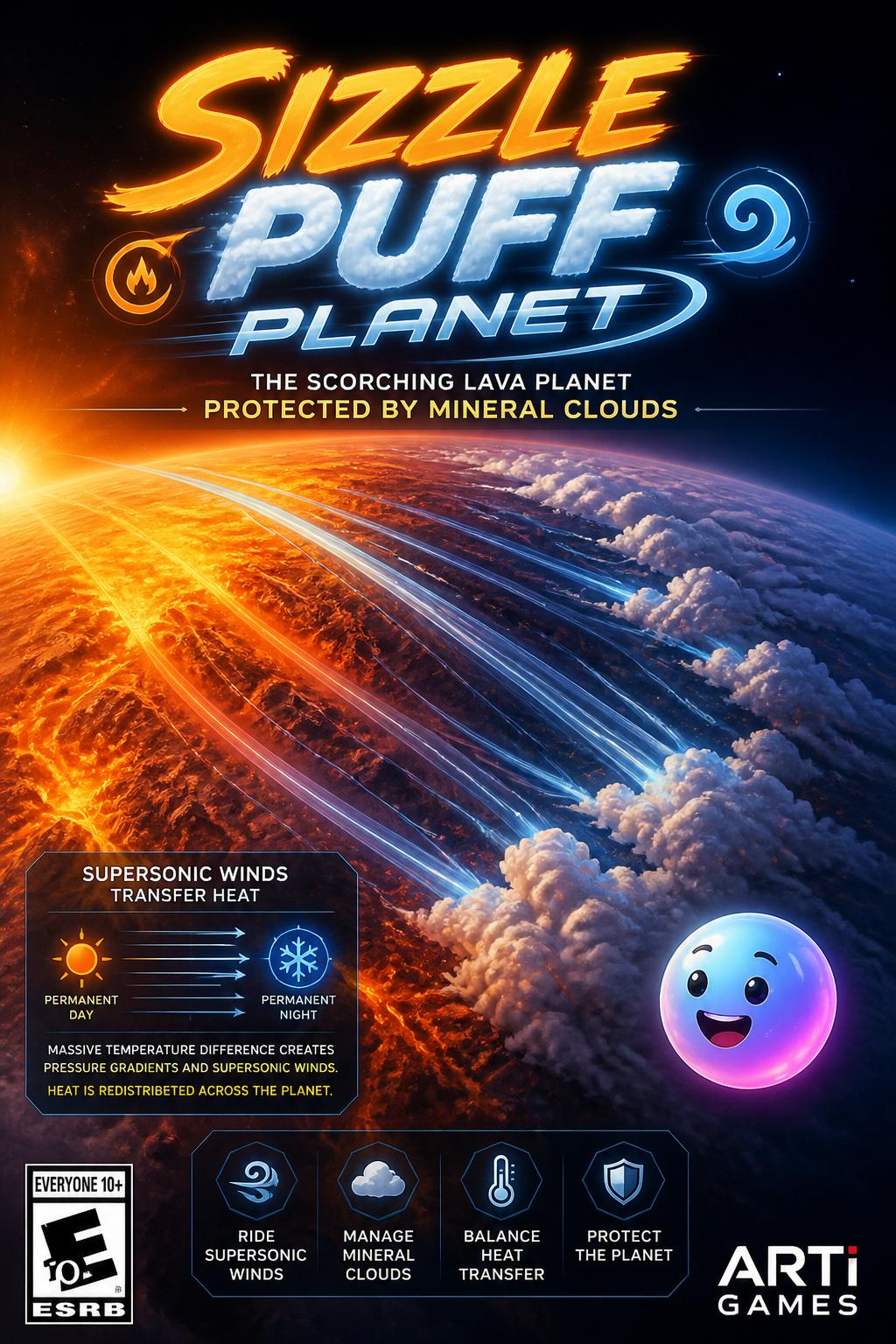
play_review Swipe mineral clouds into place to discover how they protect this scorching lava planet.
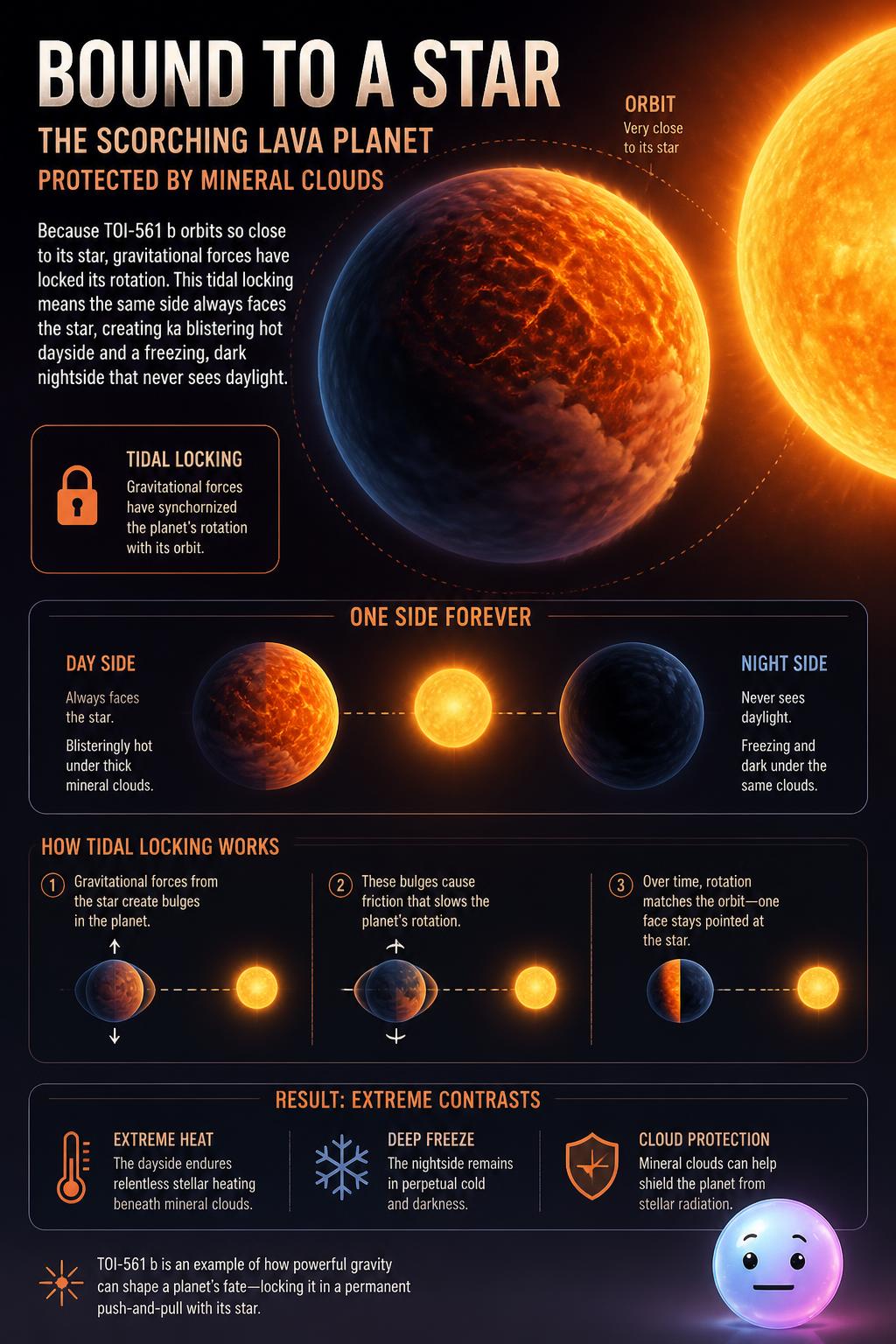
play_review Due to its close orbit, tidal locking divides TOI-561 b into a blistering hot dayside and a freezing, dark nightside.
What are the day and night conditions on a tidally locked planet like TOI-561 b?
What does it mean when a planet like TOI-561 b is 'tidally locked' to its star?

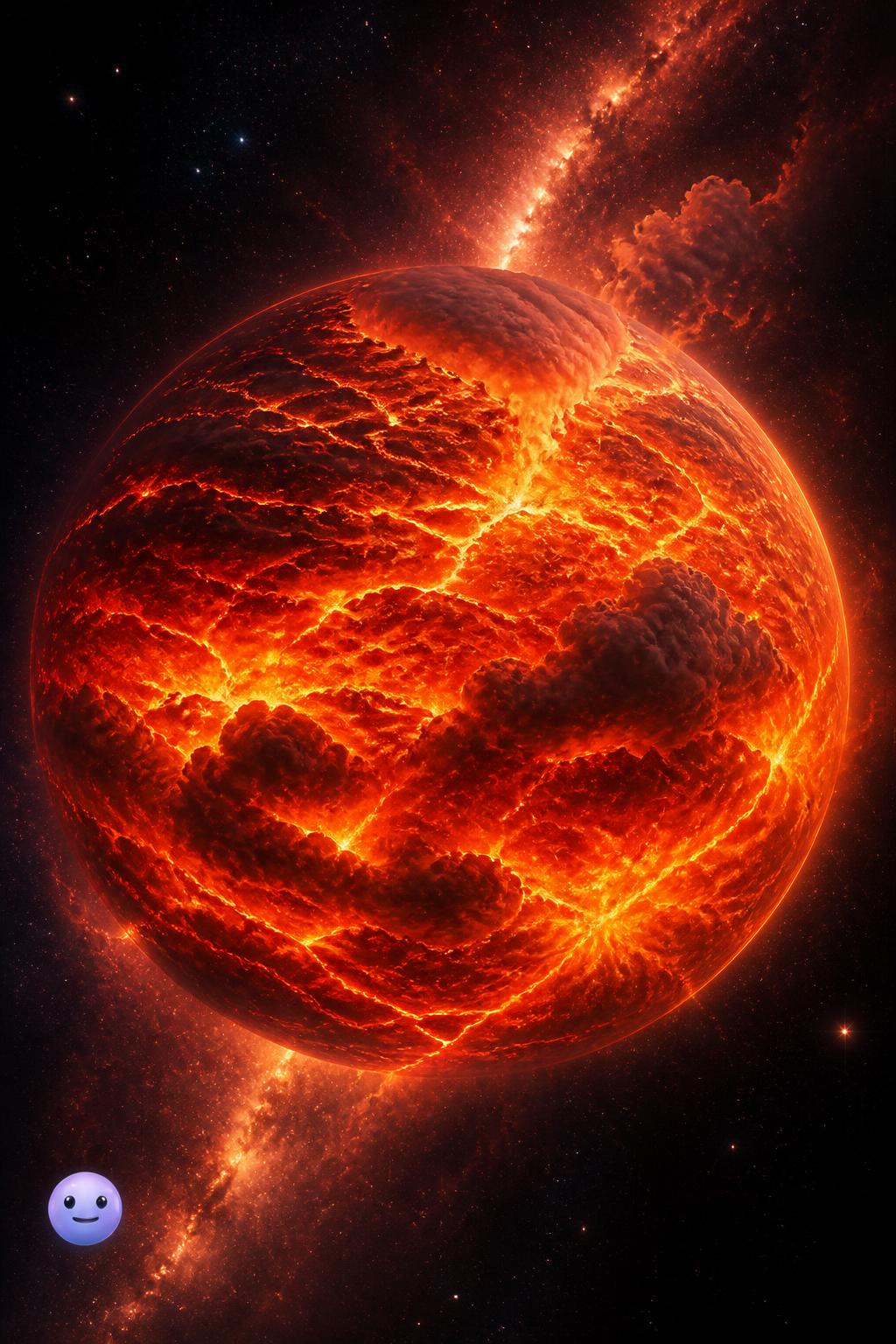
play_review Gases escaping the global lava ocean constantly rebuild an atmosphere stripped by starlight
What role does the molten rock on the surface of TOI-561 b play in its atmospheric cycle?
How does the magma ocean on TOI-561 b help maintain its atmosphere over billions of years?
Infinite day: Because TOI-561 b is tidally locked, one side of the planet has experienced a never-ending day for billions of years.
A vast, global layer of molten rock covering the surface of a celestial body. The magma ocean on the exoplanet TOI-561 b constantly releases gases to help replenish its atmosphere.