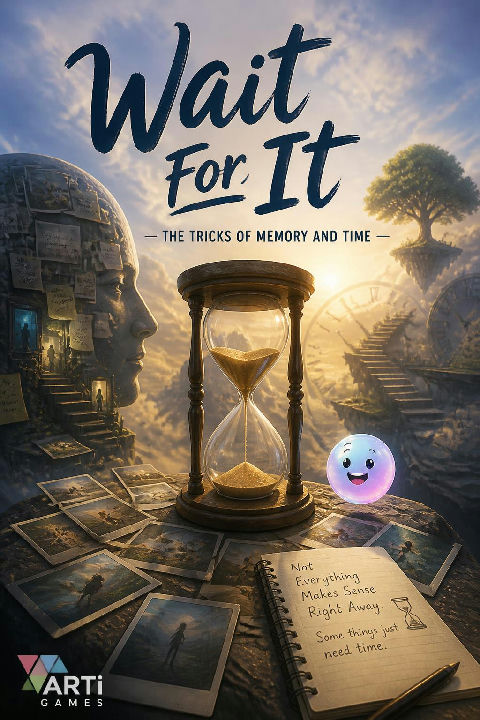
Wait For It Game
Challenge your patience and timing with the Wait For It game. Learn how to play and master this engaging educational activity.
The illusions of sight and sound
The tricks of memory and time
The biases in how we judge others and ourselves
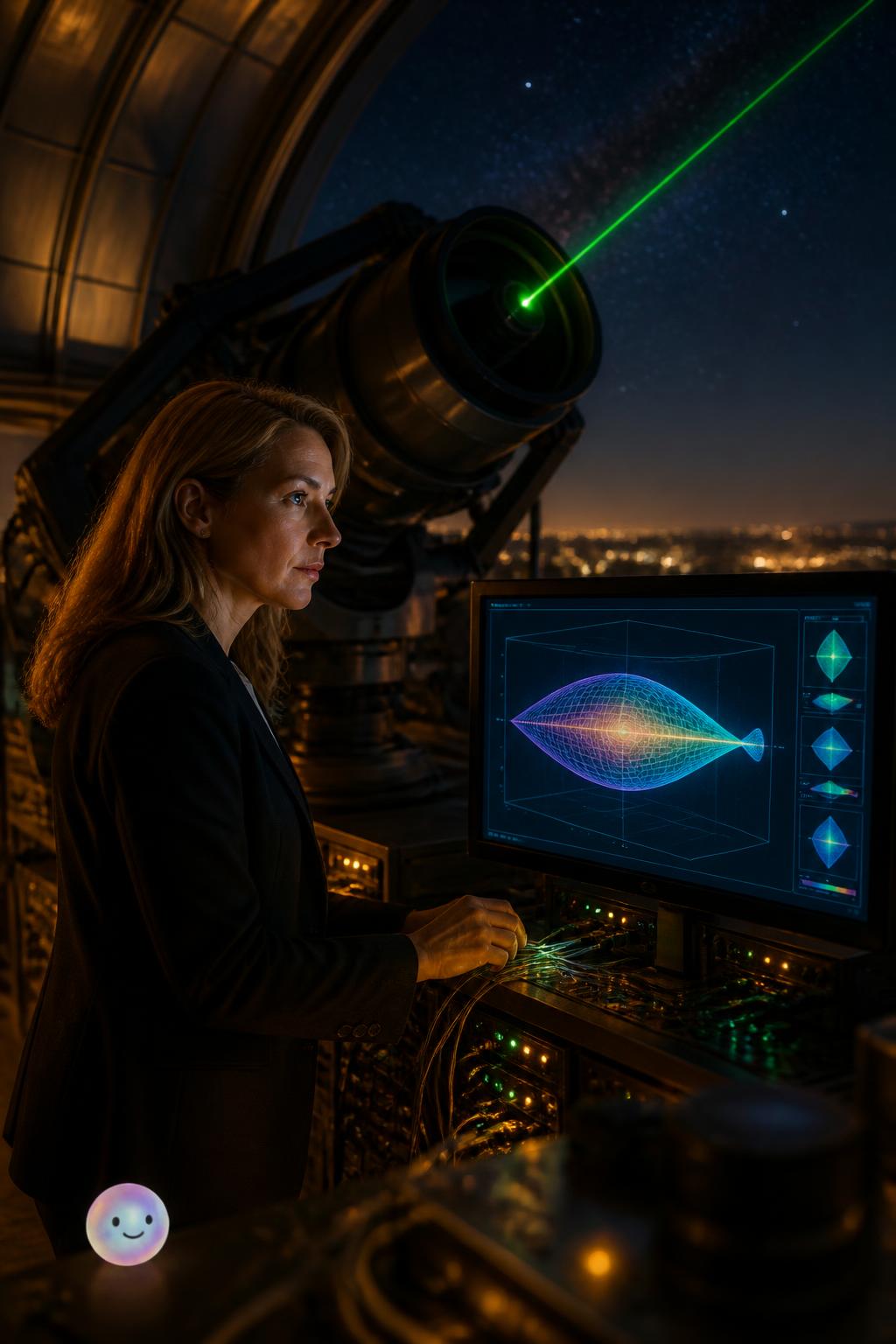
007skaty Human brains reconstruct false memories like the widespread belief that Nelson Mandela died in prison.
007skaty Psychologist Elizabeth Loftus proved memory is easily manipulated by successfully implanting fake childhood memories in participants.
007skaty Daniel Kahneman proved that humans judge past experiences using only the most intense point and the final moments
007skaty The Stopped Clock Illusion
Glance at the clock and the second hand stops (and it stops!) / Your brain rewrites time when the next second drops (when it drops!)
007skaty Lynn Hasher discovered that repeated information feels easier for the brain to process, making lies seem true
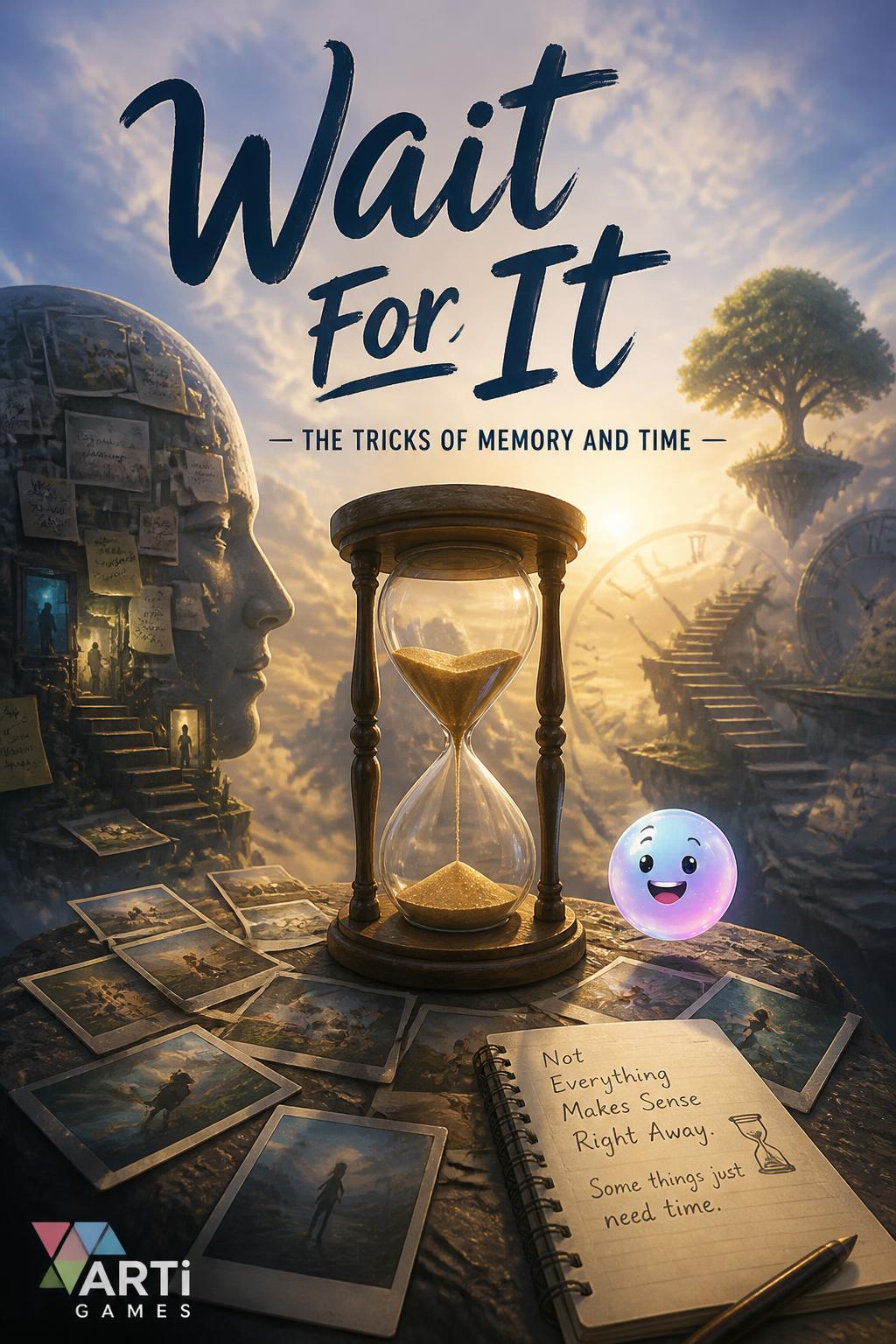
007skaty Delay your moves to discover how patience helps you realize what you truly need.
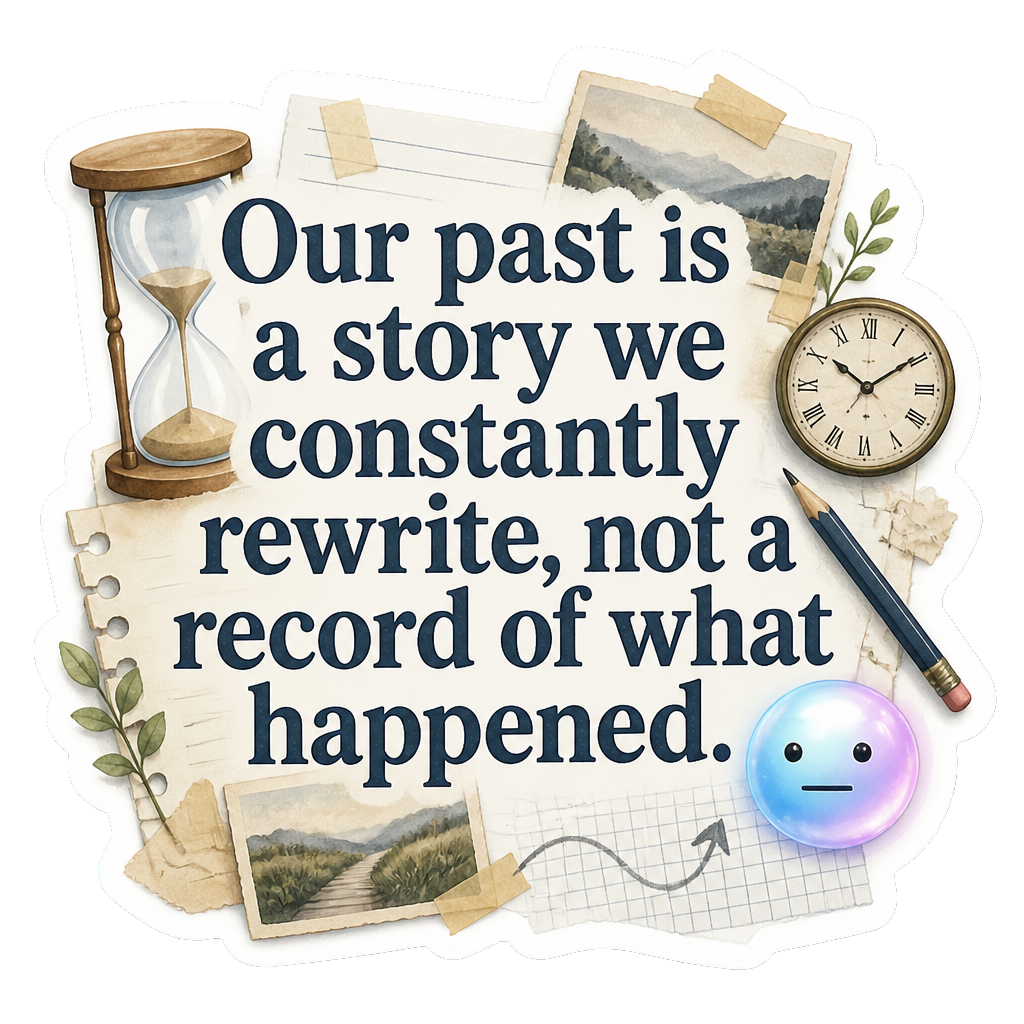
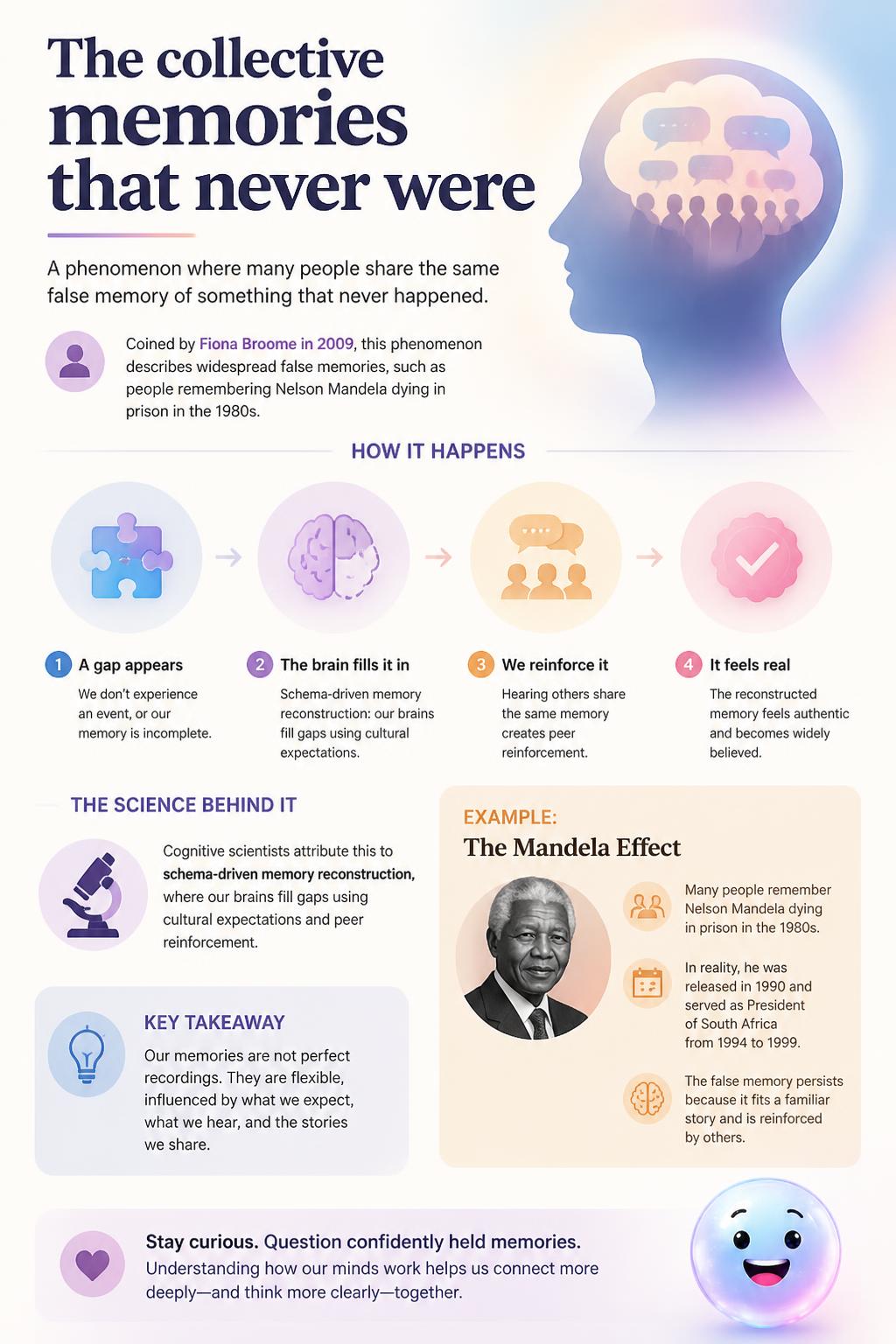
007skaty Cognitive scientists use schema-driven memory reconstruction to explain why people falsely remember Nelson Mandela dying in prison in
Memory reconstruction: Every time you recall a memory, your brain reconstructs it from scratch, meaning you are actually remembering the last time you thought about it.

007skaty A holographic brain infographic displays neon peaks and ends against a dark background
In Elizabeth Loftus's 1995 memory study, what false event were participants convinced had happened?
How does misleading information presented after an event affect an eyewitness's memory?
According to the peak-end rule, which two moments determine how we evaluate a past event?
What occurs when a person mistakenly believes they generated a creative idea that was actually someone else's?
What is the term for remembering a fact but forgetting where or how you learned it?
Which psychological effect states that people remember uncompleted or interrupted tasks better than completed ones?
What cognitive feature makes repeated statements seem more truthful to our brains?