Fun Fact
The Quirkiness Trap: Inspired by film's 'Manic Pixie' archetype, many real-world women felt intense pressure to perform constant eccentricity, hiding their genuine emotional struggles to stay appealing.
The Quirkiness Trap: Inspired by film's 'Manic Pixie' archetype, many real-world women felt intense pressure to perform constant eccentricity, hiding their genuine emotional struggles to stay appealing.
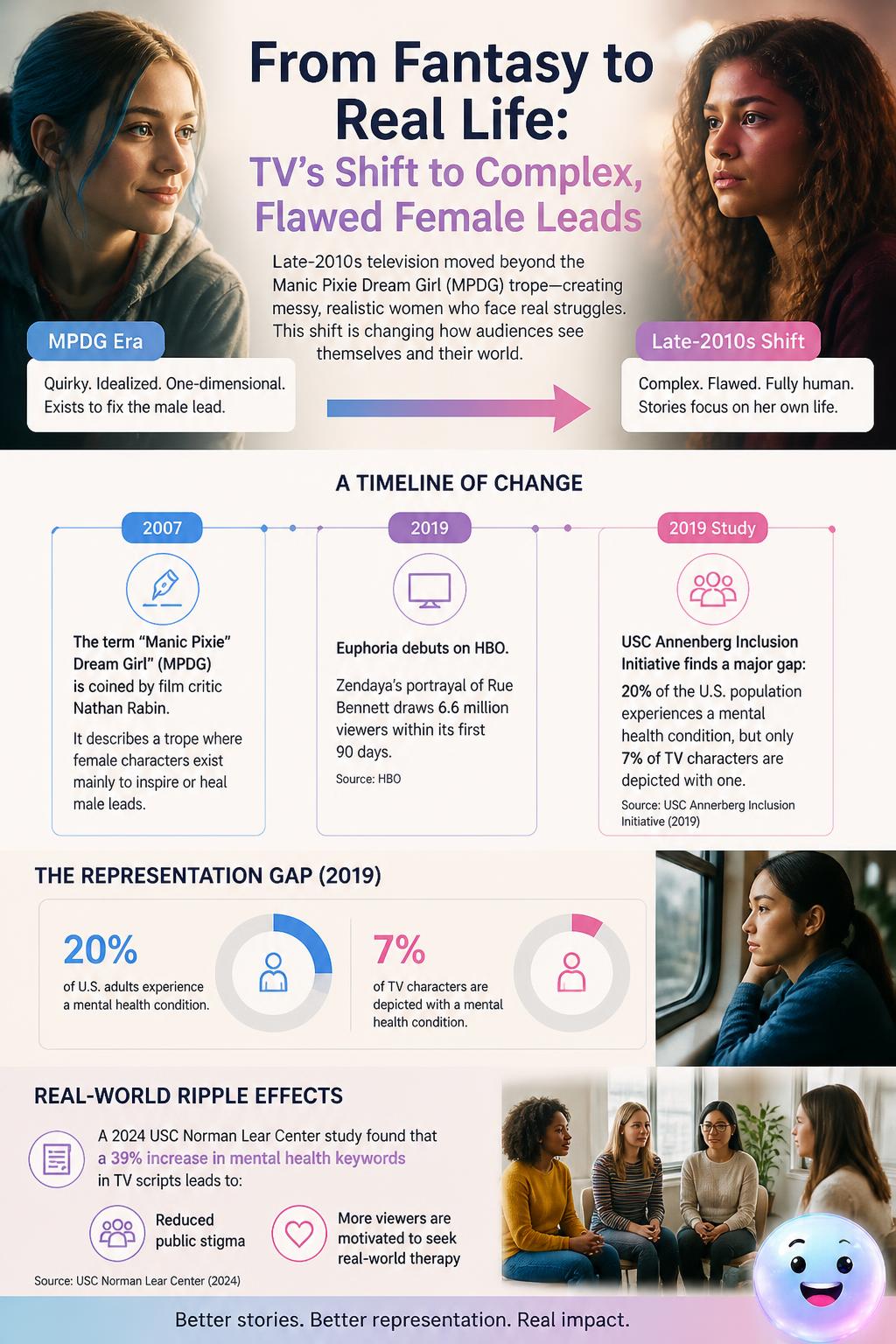
choko A timeline contrasting idealized mid-2000s characters with raw, flawed leads from Euphoria.
choko Japanese animators transform the high-energy manic pixie trope into complex characters. Director Makoto Shinkai gives his heroine tragic stakes and real agency in the 2019 film Weathering with You.
choko In the late 2010s, television series Fleabag and Euphoria replaced perfect female tropes with messy, self-destructive protagonists. These characters prioritize their own complicated lives instead of saving men.
choko Sociologists show how this fictional stereotype pressures women to perform constant enthusiasm. Real couples struggle when men expect quirky partners to solve their personal crises.
choko Real-World Ripple Effects
Not your dream girl, Not your dream girl, The writer apologized to the world.
choko Writers use the Bechdel Test and agency checklists to craft realistic roles. These specific methods phase out simple muse characters in contemporary prestige cinema.
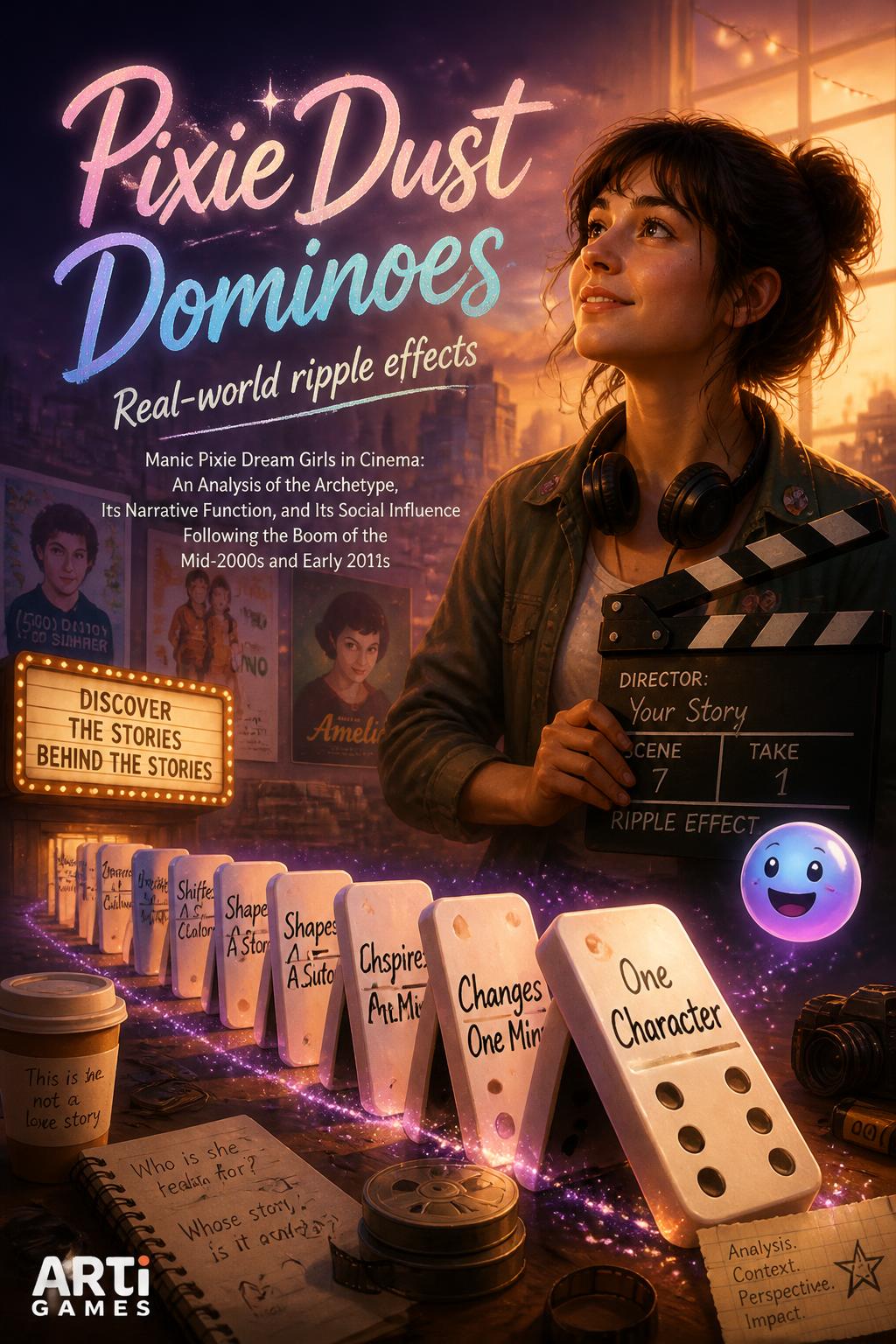
choko Match character traits to discover how the Manic Pixie Dream Girl archetype shapes stories.
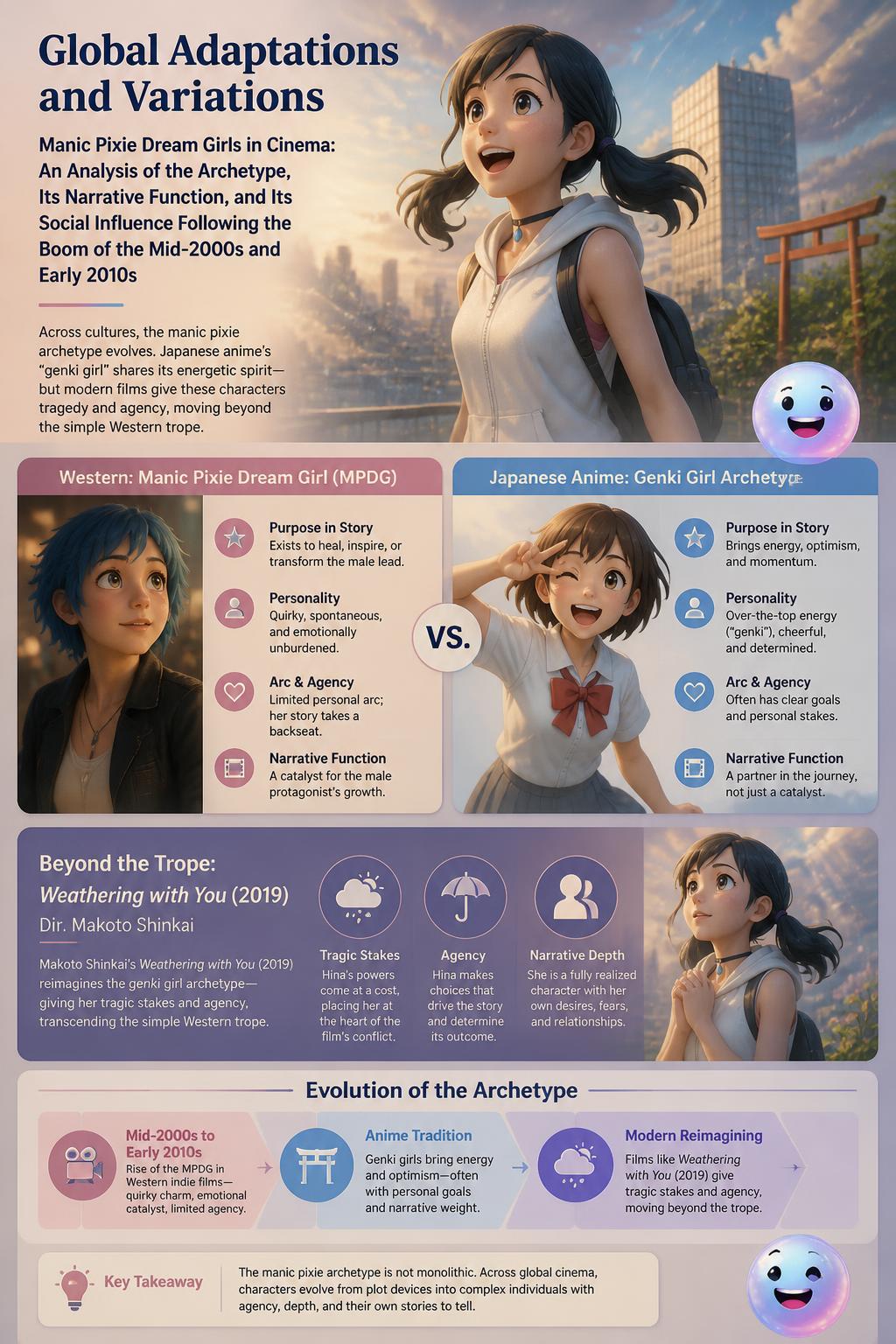
choko International filmmakers have both embraced and subverted similar character archetypes.
Bechdel Test origins: The famous test first appeared in a 1985 comic strip by Alison Bechdel called Dykes to Watch Out For.
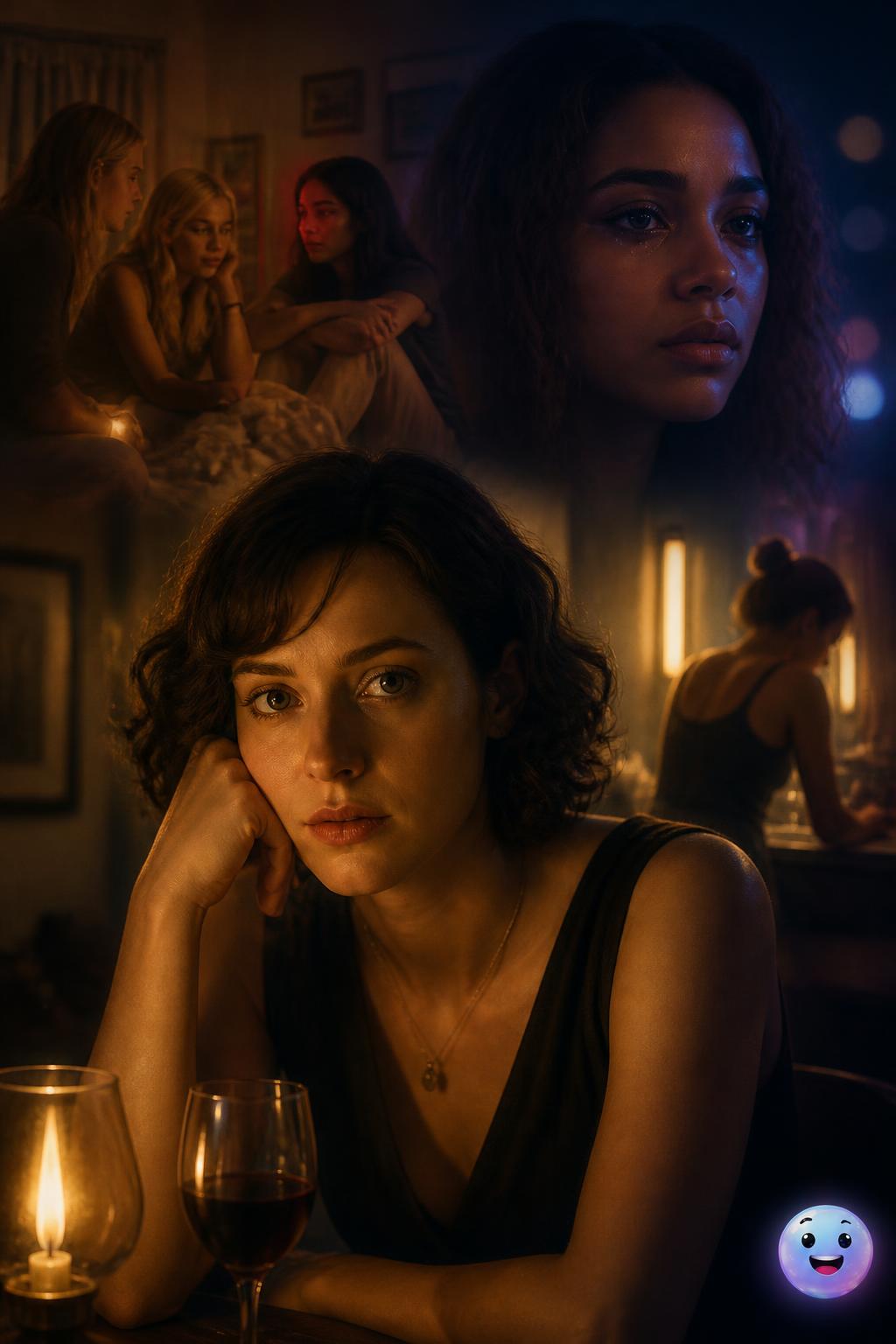
choko Modern cinema and television shifted toward portraying deeply flawed, realistic female leads.

What real-world dating expectation was fueled by the popularity of this cinematic archetype?
What Japanese anime term describes a highly energetic, cheerful girl similar to this archetype?
What famous test measures whether a film features at least two named women talking about something other than a man?
Which acclaimed British television series starring Phoebe Waller-Bridge helped usher in the 'sad girl' era?
How did television shows of the late 2010s like 'Euphoria' react to the mid-2000s trope?