Which historic 1803 event in Georgia is closely tied to the legend of the flying Africans?
Indigenous origins and sacred mythologies
African American folklore and resistance
The corporate creation of tall tales
Borderlands and immigrant lore
renaissanceman The Gullah Geechee painted porches haint blue to trick spirits they believed could not cross water.
renaissanceman A Black prisoner named John Henry beat a steam drill in Virginia but died from dust inhalation.
renaissanceman Enslaved Africans used Br'er Rabbit's clever escapes as coded instructions to outsmart plantation owners with wit.
renaissanceman African American Folklore
Stories keep us bold! (Freedom's path unfold.)
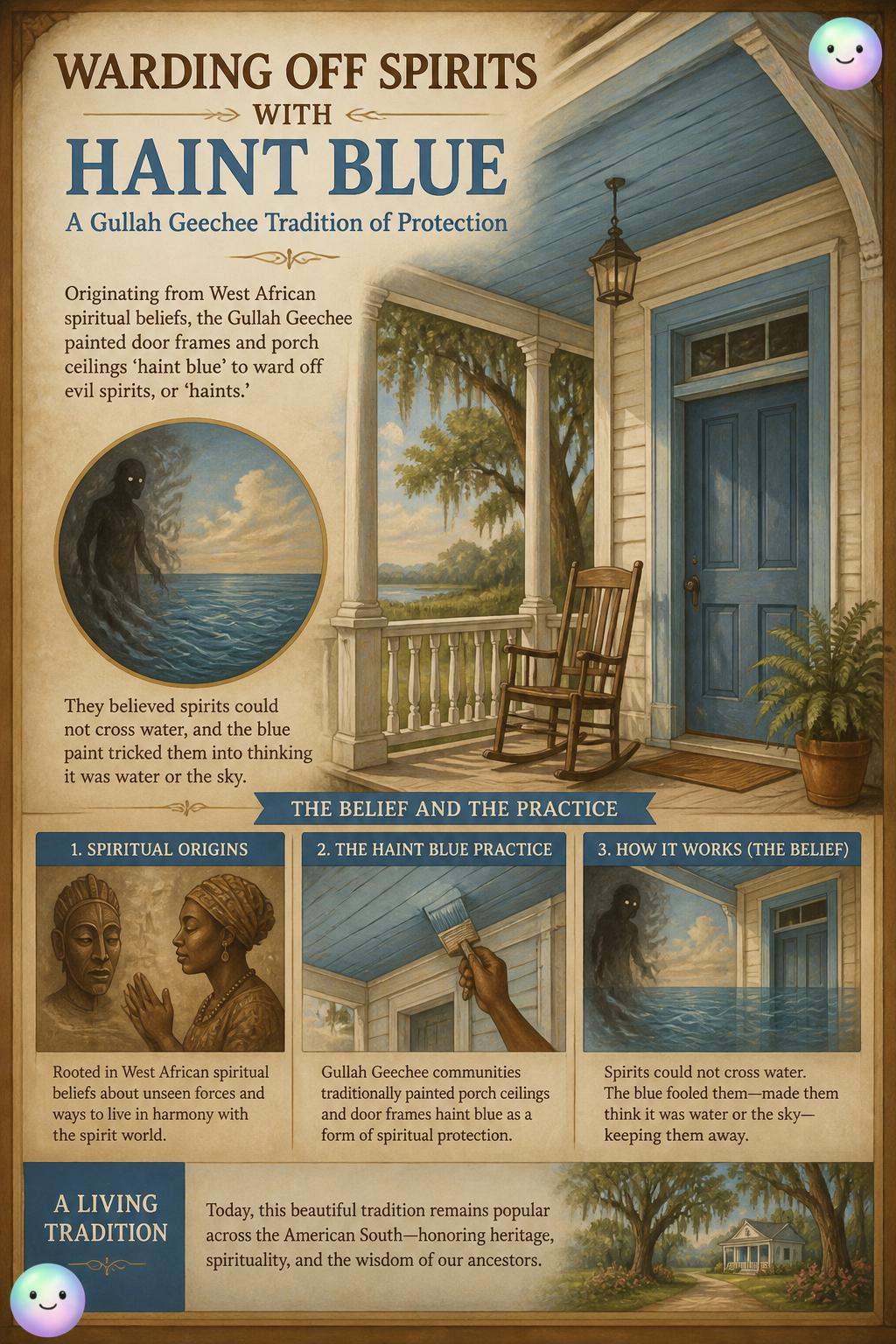
renaissanceman The Gullah Geechee people of the Lowcountry developed unique spiritual folklore, using a specific blue paint to protect their homes.
John Henry's hammer: Real steel-drivers in the 1870s swung nine-pound hammers for twelve hours a day in pitch-black tunnels.
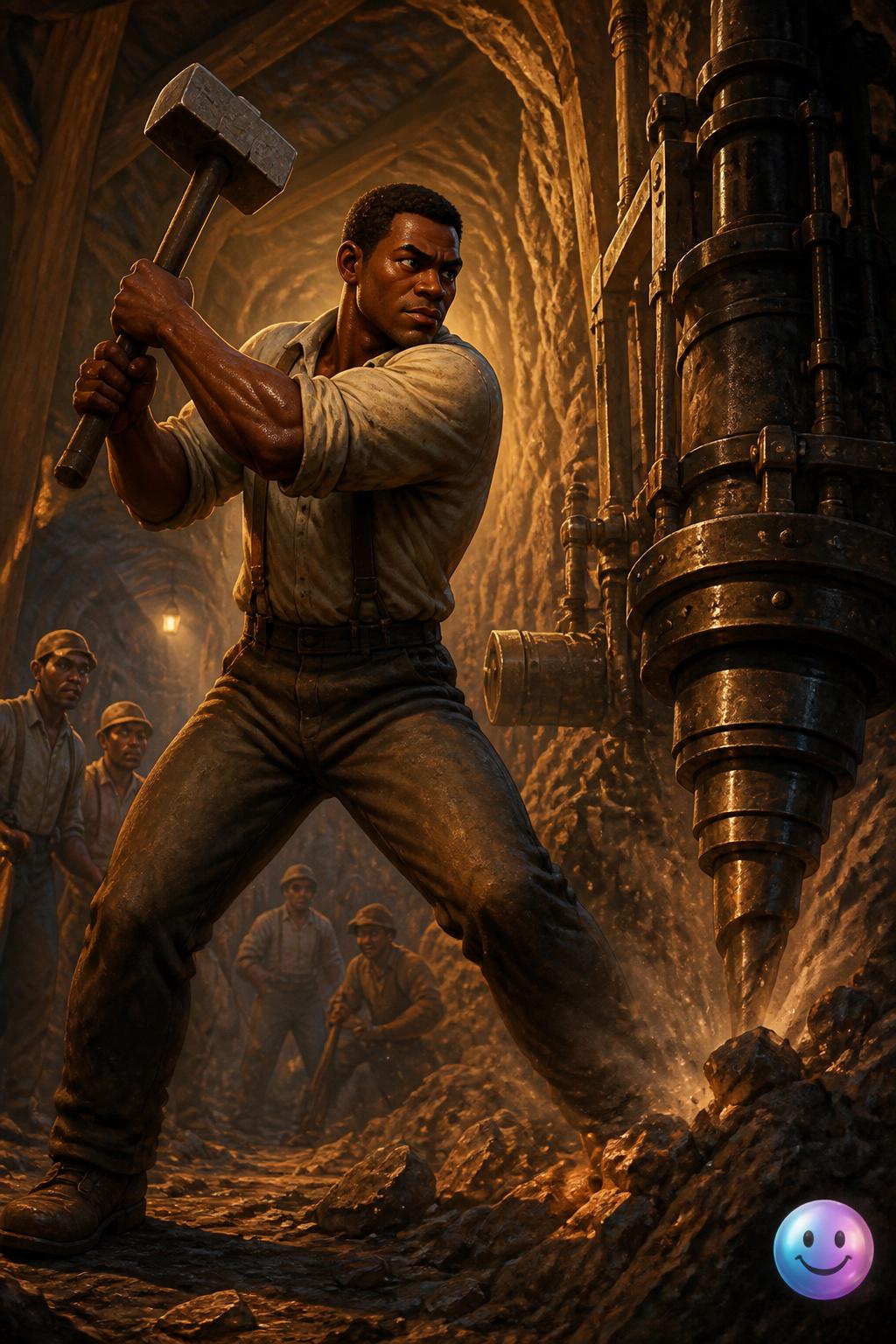
renaissanceman The legend of John Henry represents the tragic, heroic struggle of Black railroad workers against rapid industrialization after the Civil War.
A clever, mischievous character in folklore who uses cunning and intellect to outwit stronger adversaries. Enslaved storytellers popularized Br'er Rabbit to covertly teach survival strategies and outsmart oppressive plantation owners.
What real-world technology did John Henry famously race against with his hammer?
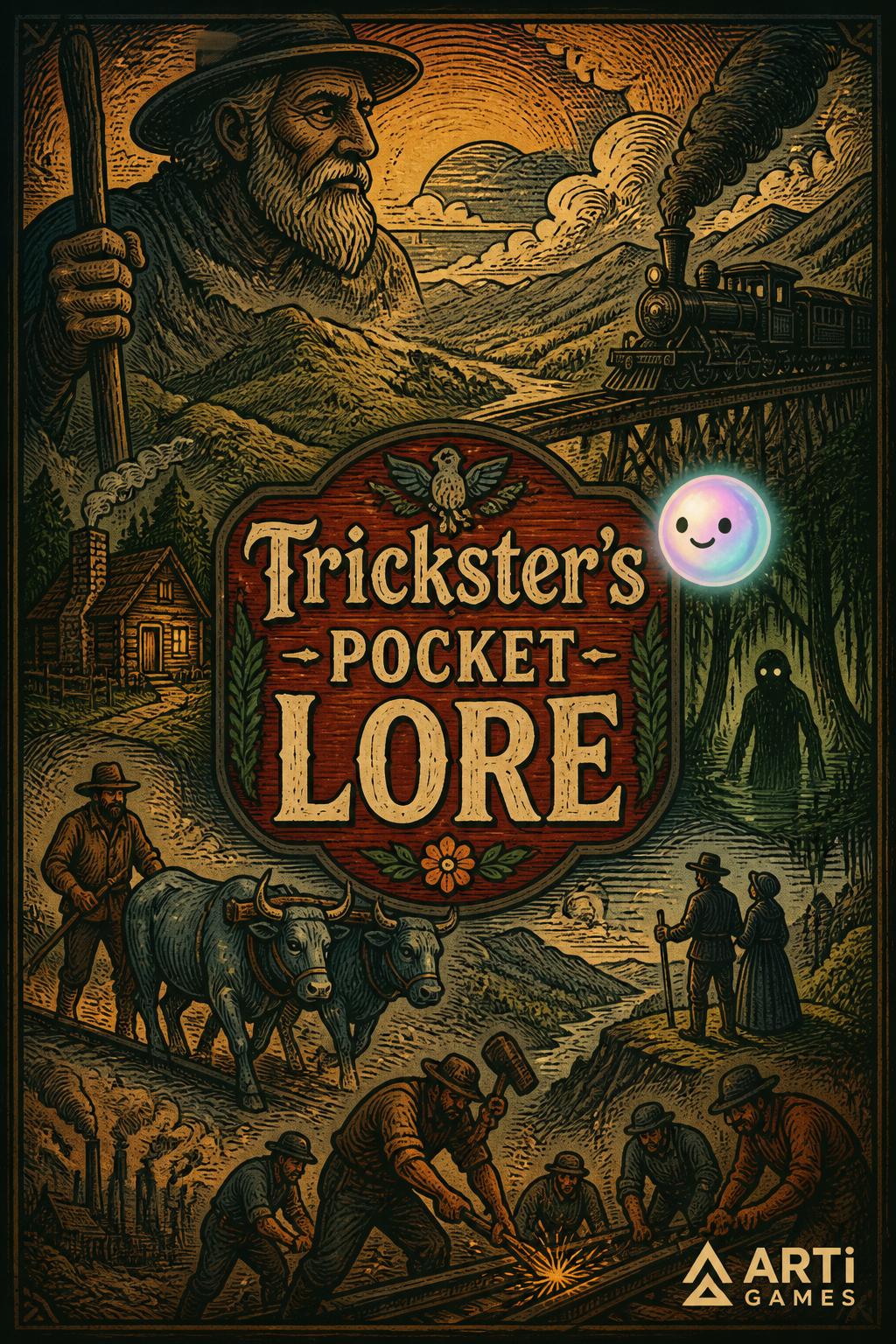
renaissanceman Sort legendary tricksters by their cultural roots to discover the true history of American folklore.
Why did Gullah Geechee people traditionally paint their door frames 'haint blue'?
Which West African trickster figure directly inspired the African American stories of Br'er Rabbit?
What does the folklore of the 'flying Africans' represent to historians and anthropologists?
Which historic 1803 event in Georgia is closely tied to the legend of the flying Africans?
Where did historian Scott Nelson find the real-life inspiration for the legend of John Henry?