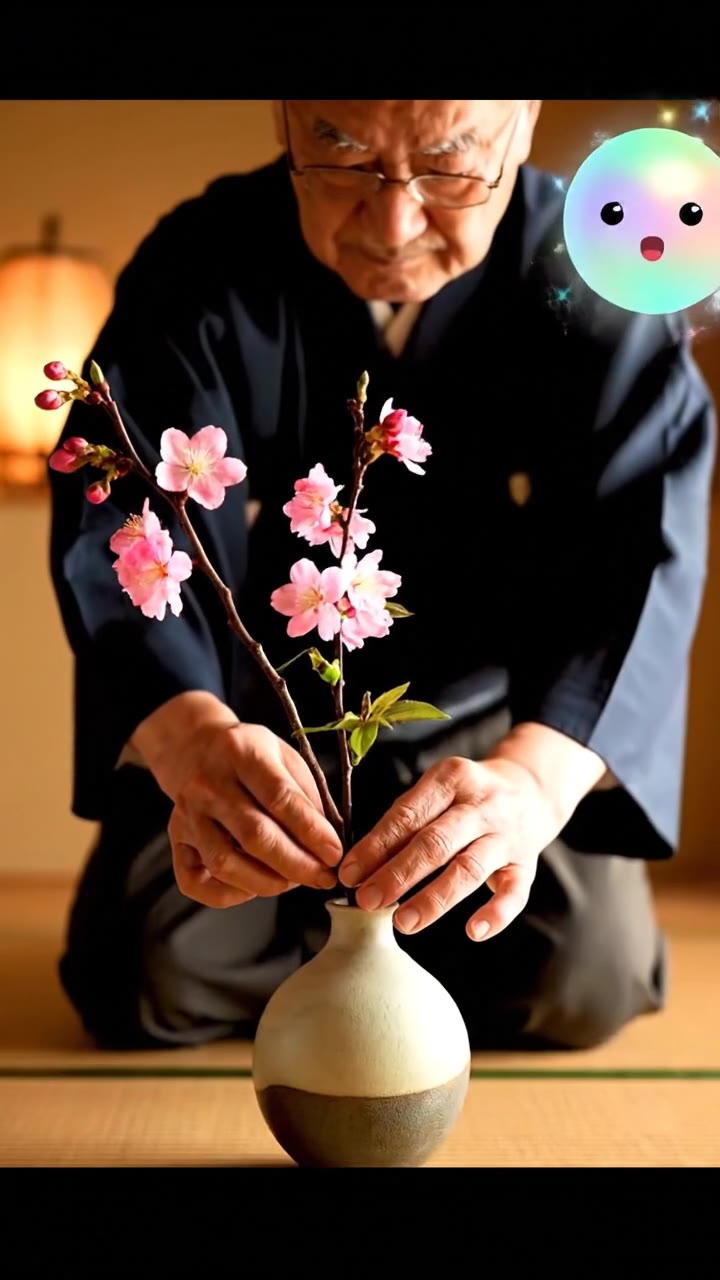
Zen and the art of quiet focus
Arriving from China in the late 12th century, Zen Buddhism appealed directly to the samurai class due to its focus on discipline. It shaped iconic cultural practices, including rock gardens (karesansui), ink wash painting, and the tea ceremony. Zen teaches that enlightenment is found in everyday tasks done with total presence.
Shinto, the ancient way of the kami
Buddhism arrives and blends
Yokai, yurei, and folk monsters
Modern rituals and everyday superstitions

renaissanceman The annual Obon festival welcomes the spirits of ancestors back to the human world for a brief visit.
Floating lanterns: During the Toro Nagashi ritual, thousands of paper lanterns are floated down rivers to guide ancestral spirits back to the afterlife.


renaissanceman Zen Buddhism revolutionized Japanese culture by emphasizing meditation, simplicity, and finding beauty in the imperfect.
The amalgamation of different religions, cultures, or schools of thought. After arriving in 552 AD, Buddhist teachings quickly merged with Japan's indigenous Shinto traditions.

What are 'karesansui,' the dry landscape gardens designed to aid Zen Buddhist meditation, made of?

renaissanceman Match Buddhas with Shinto kami to discover how Japan's ancient beliefs blended together.
What do the twin guardian statues, the Nio, symbolize with their open and closed mouths?
What is the Japanese term for the historical blending of Shinto and Buddhist beliefs?
Which Buddhist sect, emphasizing silent meditation and minimalism, deeply influenced samurai warriors and the tea ceremony?
In what century did Buddhism officially arrive in Japan from the Korean kingdom of Baekje?
What is the name of the Bodhisattva of compassion, widely revered in Japanese Buddhism, often depicted with multiple arms?
Which famous Buddhist temple in Nara houses the Daibutsu, one of the largest bronze Buddha statues in the world?