The magic of light and chemistry
Cameras for the masses
Mastering light, time, and focus
The camera as a witness
The digital revolution
schott Aperture controls the lens opening size, shutter speed dictates how long the sensor is exposed, and ISO measures light sensitivity.
How does the compositional technique known as the 'rule of thirds' suggest dividing an image?

schott A wide aperture (like f/1.8) creates a shallow depth of field, perfect for portraits with creamy, blurred backgrounds.
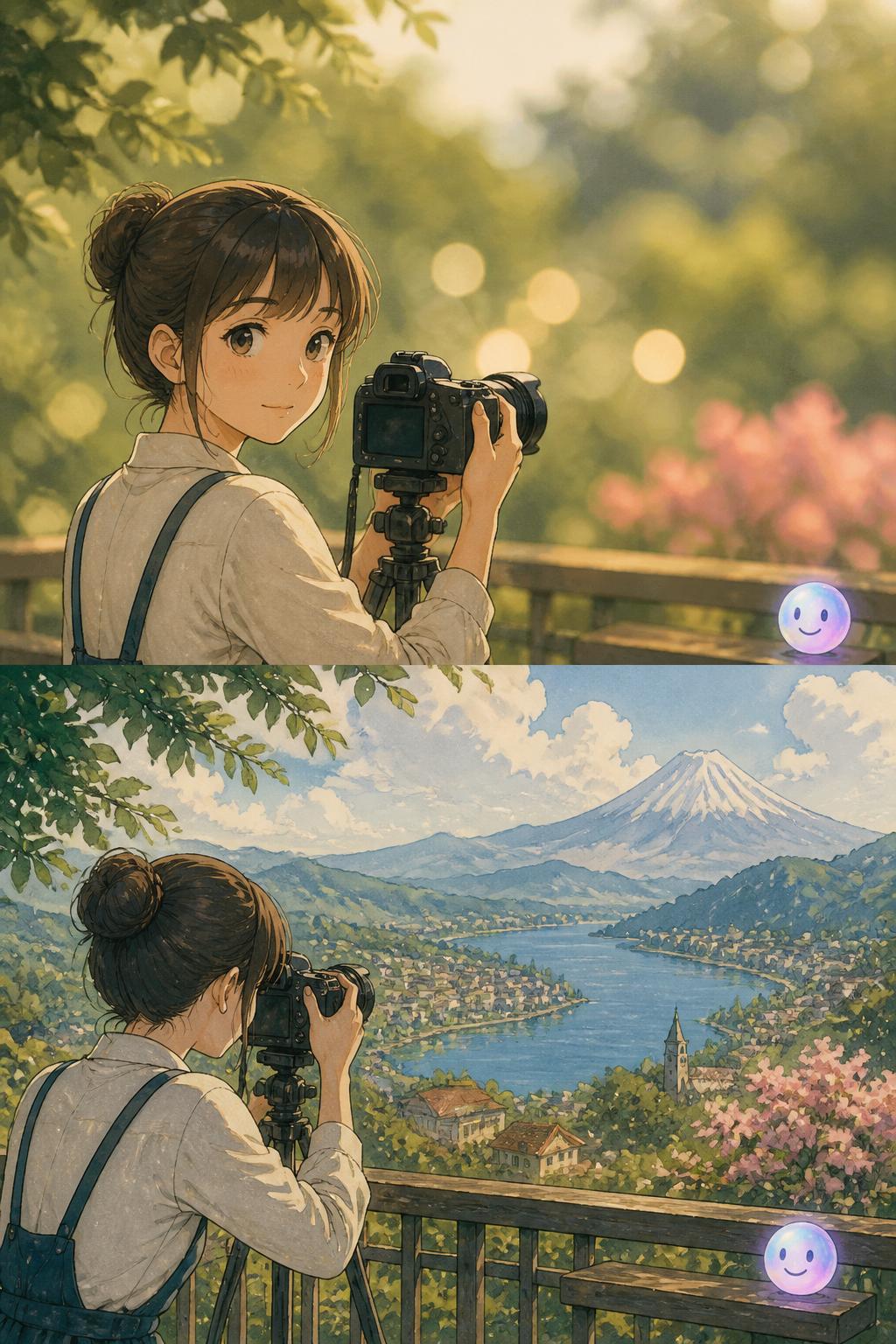
schott Changing your lens aperture allows you to blur the background, making your main subject pop.
What is the visual effect of using a very slow shutter speed on a flowing waterfall?
schott Photography Drawing With Light
See the world through lens and frame / Drawing with light, that's the game.
schott Fast shutter speeds, like 1/2000th of a second, capture split-second action without blur.

schott Shutter speed can freeze a flying bird in mid-air or turn a flowing waterfall into silky mist.
To freeze a fast-moving athlete without any motion blur, which shutter speed is best?
What unit of measurement is used to describe how sensitive a camera's digital sensor or film is to light?
The shutter speed: The fastest camera shutter speeds can reach 1/8000th of a second, easily freezing the wings of a hummingbird.
schott The rule of thirds divides an image into a 3x3 grid, placing key elements along the grid lines or intersections.
Which aperture f-stop setting will create the shallowest depth of field with a highly blurred background?
What are lines within an image that naturally guide the viewer's eye toward the main subject called?