Profile
Schott
2 friends
Masteries

No masteries yet
schott Photography's Light and Chemistry
Light touches a surface, a moment defined, Chemistry's magic then leaves it behind.
schott Coffee Bean Origins
Kaldi's goats, full of glee, Ate red berries, so happily, Sparking coffee's energy!
schott El Reloj Celular Humano
¿El reloj de tu célula, (¡el tiempo dirá!)? Telómeros se acortan, (¡la edad nos dará!)
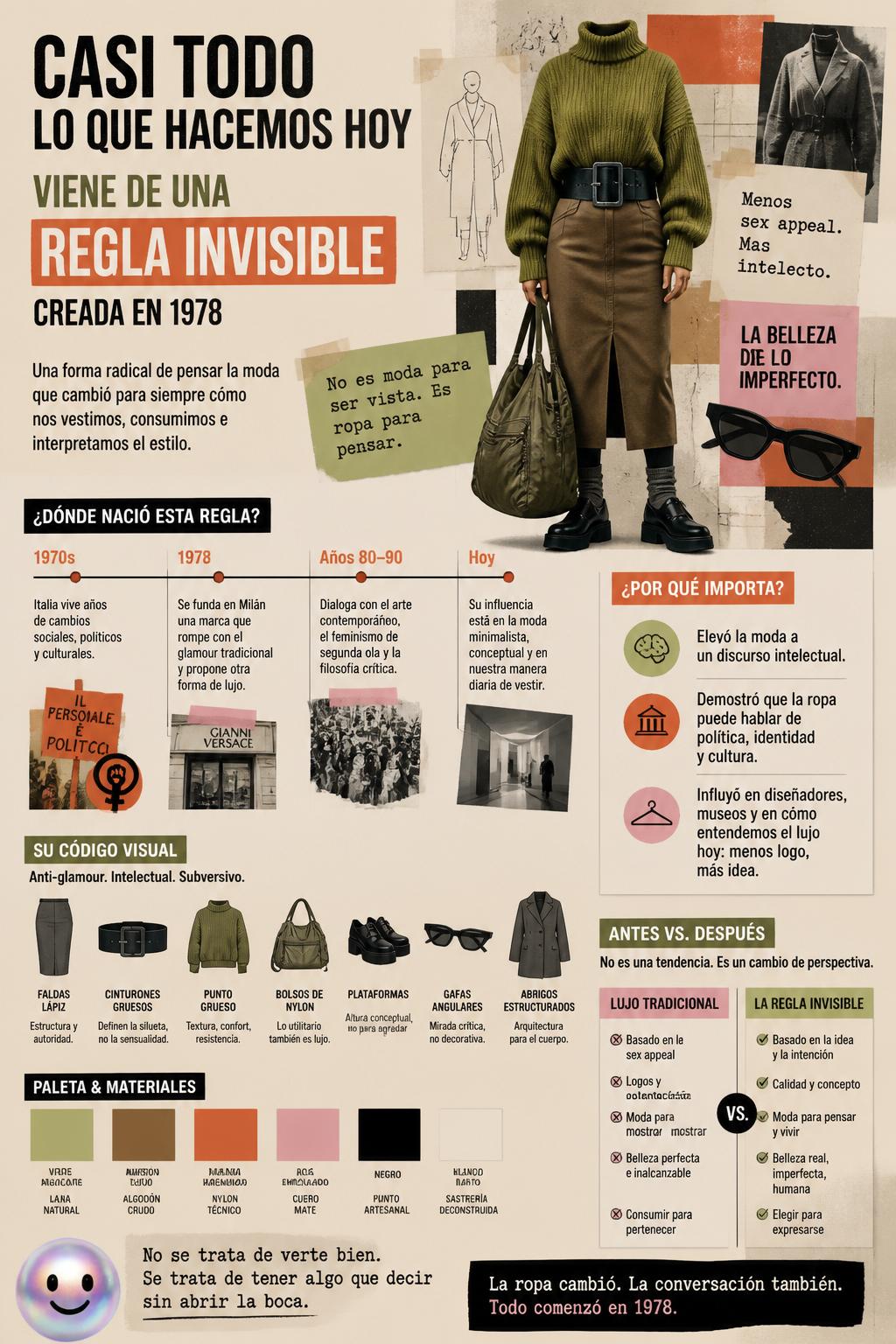
schott See how a hidden 1978 rule controls almost everything you do daily.
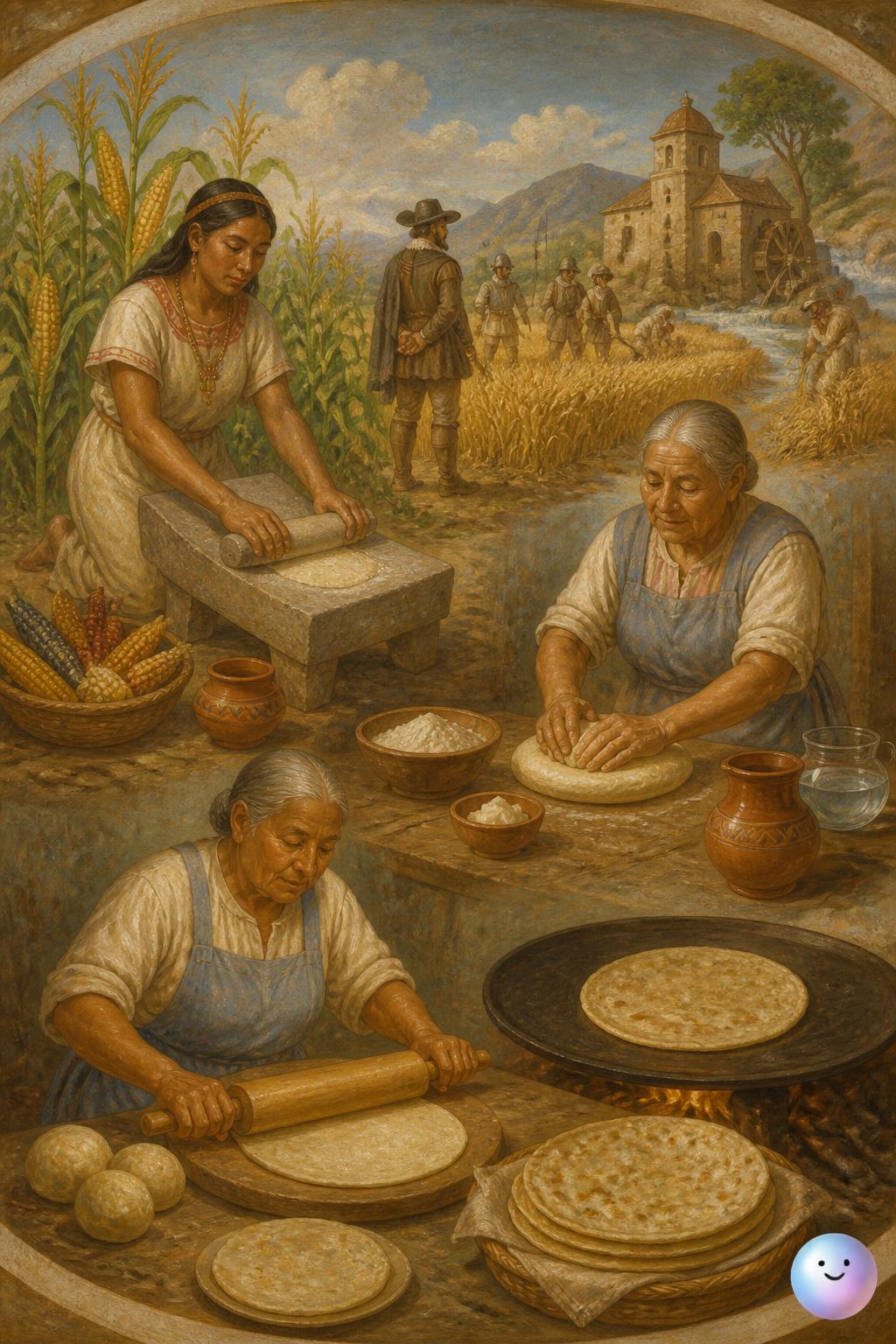
schott Learn how the flour tortilla was created in northern Mexico during an attempt to recreate traditional Arabic bread.

schott Sort seeds and ingredients to discover the journey from farm to tortilla.
Cassius's Shift: Before pioneering French house, duo Cassius worked as hip-hop studio apprentices until a late-night rave fully converted them to the electronic dance scene.
schott Tenemos células zombi en el cuerpo que se niegan a morir y nos envejecen.
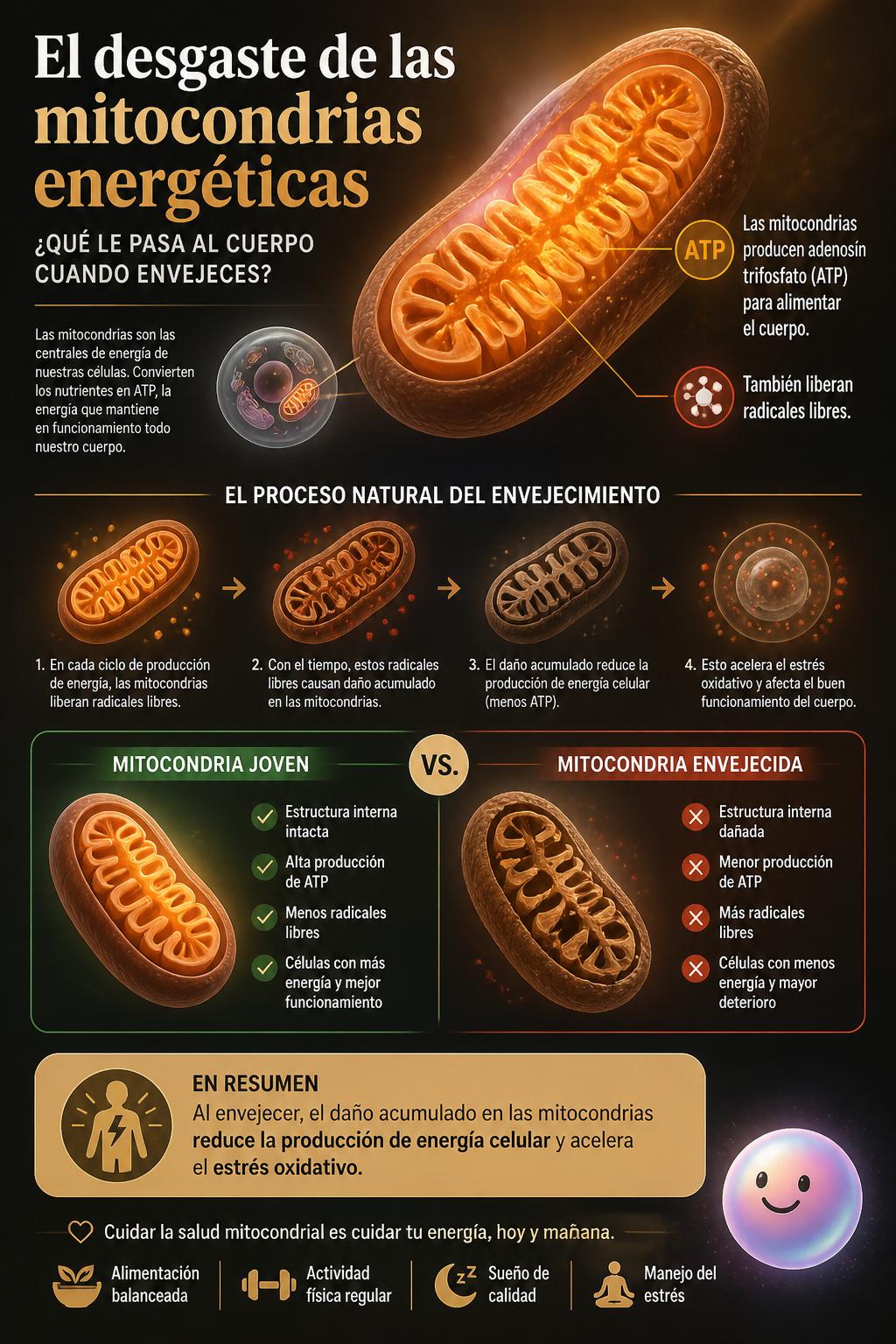
schott Las centrales de energía de la célula se vuelven menos eficientes, generando más desechos dañinos con el tiempo.
Reloj celular: Los ratones sin células senescentes viven hasta un 35% más y mantienen un aspecto físico mucho más joven.

schott Algunas células envejecidas dejan de dividirse pero no mueren, liberando sustancias que dañan a las células vecinas.
Región de secuencias de ADN repetitivas situada en el extremo de un cromosoma que lo protege del deterioro. En 1961, Leonard Hayflick descubrió que el acortamiento de estas estructuras limita la cantidad de divisiones celulares.
¿Qué terapia experimental busca eliminar selectivamente las células zombi del cuerpo?

schott Clasifica los cambios del cuerpo para entender cómo envejecemos.
¿Qué orgánulo celular produce la energía ATP y se deteriora al envejecer?
¿Cómo se llama el estudio de los cambios que activan o desactivan genes sin alterar el ADN?
¿Aproximadamente cuántas veces se divide una célula humana antes de alcanzar su límite?
¿Qué estructura del ADN se acorta con cada división celular regulando el envejecimiento?
¿Cómo se llaman las células que dejan de dividirse pero no mueren y causan inflamación?
¿Qué científico descubrió en 1961 el límite de divisiones de las células humanas?
¿Qué nombre reciben los compuestos químicos inestables que dañan las células al envejecer?
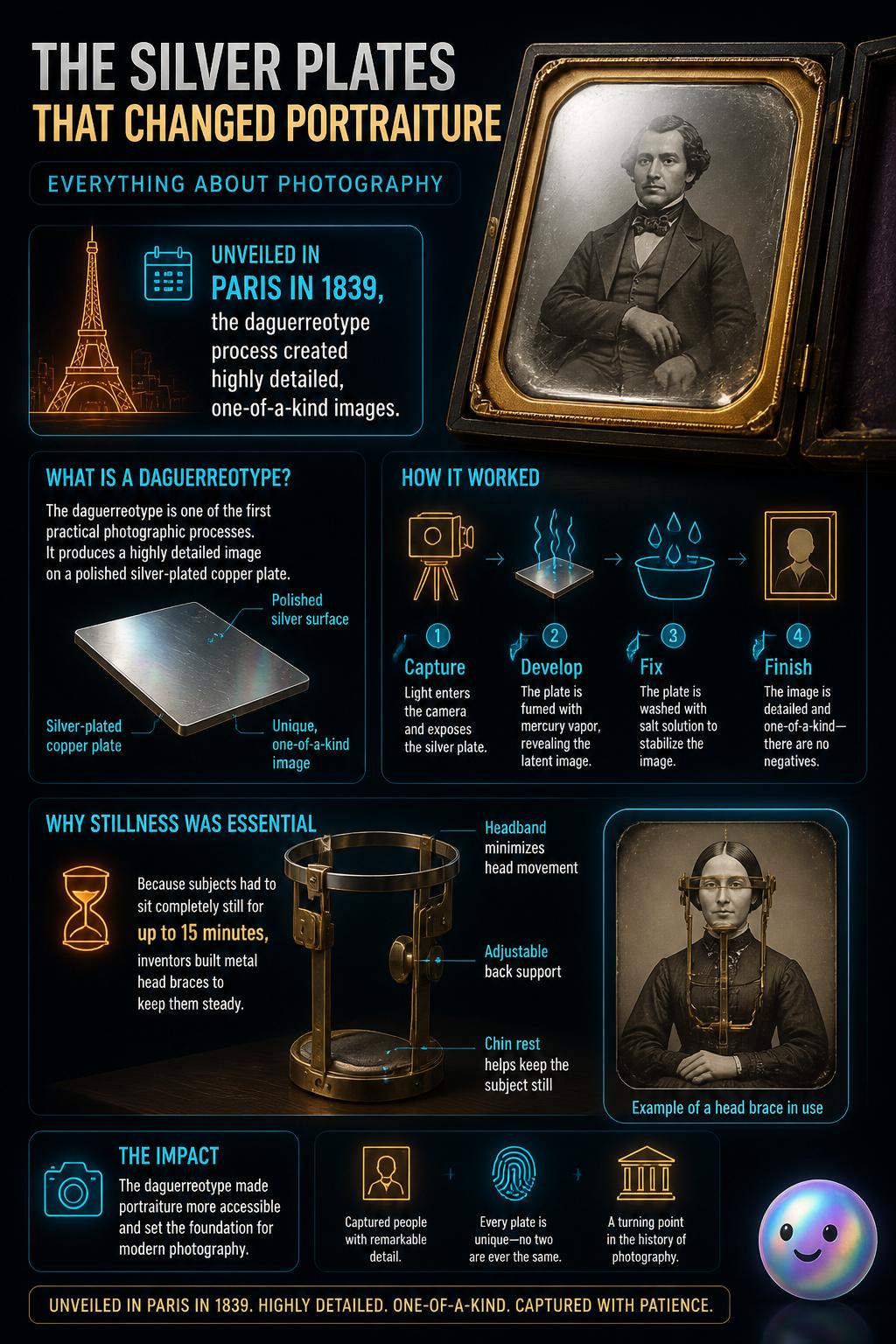
schott Louis Daguerre shortened exposure times from hours to minutes using silver-plated copper sheets and toxic mercury vapor.
The first photo: The oldest surviving photograph, taken in 1826, required an exposure time of at least eight hours to capture.
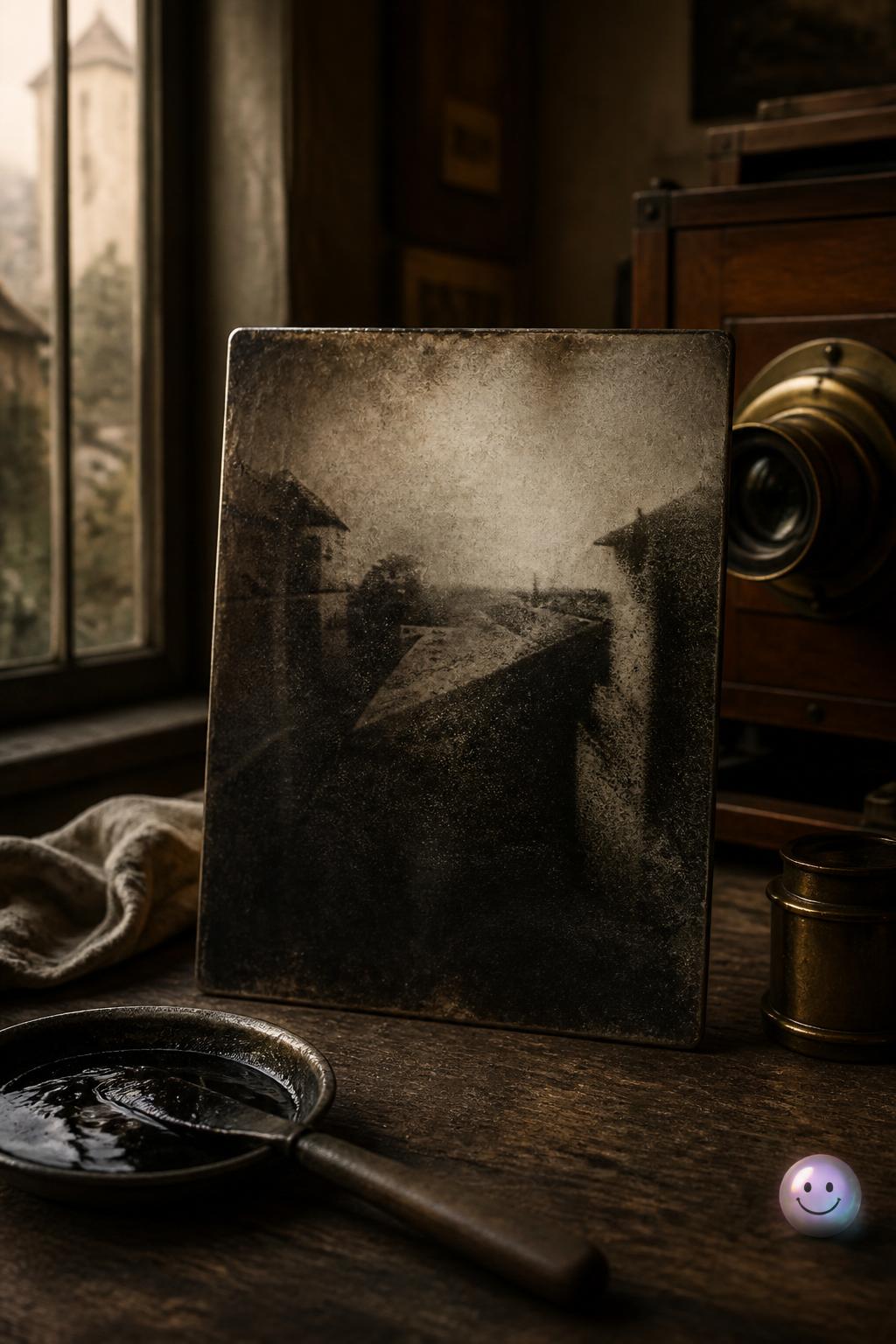
schott The very first photograph took eight hours to expose and was captured on a metal plate coated with asphalt.
An early photographic process employing an iodine-sensitized silver plate and mercury vapor. Louis Daguerre used light-sensitive chemistry to develop the first practical photographic method in 1839.
What does the term 'camera obscura' literally translate to in Latin?
Which early photographic invention would you have preferred to use?

schott Combine light and chemicals to discover the magic of photography.
What material did Joseph Nicéphore Niépce use to coat the pewter plate for the first photograph in 1826?
Which inventor patented the calotype photographic process in 1841, introducing the concept of paper negatives?
In what year was the highly detailed daguerreotype photography process publicly unveiled in Paris?
How long did the exposure for the world's first permanent photograph, 'View from the Window at Le Gras', take in 1826?
Why did early photographic portrait studios in the 1800s use metal clamps and braces behind their subjects' heads?
Who wrote the 'Book of Optics' in 1021, detailing how light behaves in a camera obscura?
What toxic chemical vapor did Louis Daguerre use to develop his silver-coated copper plates in the 1830s?

schott Trace coffee's journey to master its rich global history.
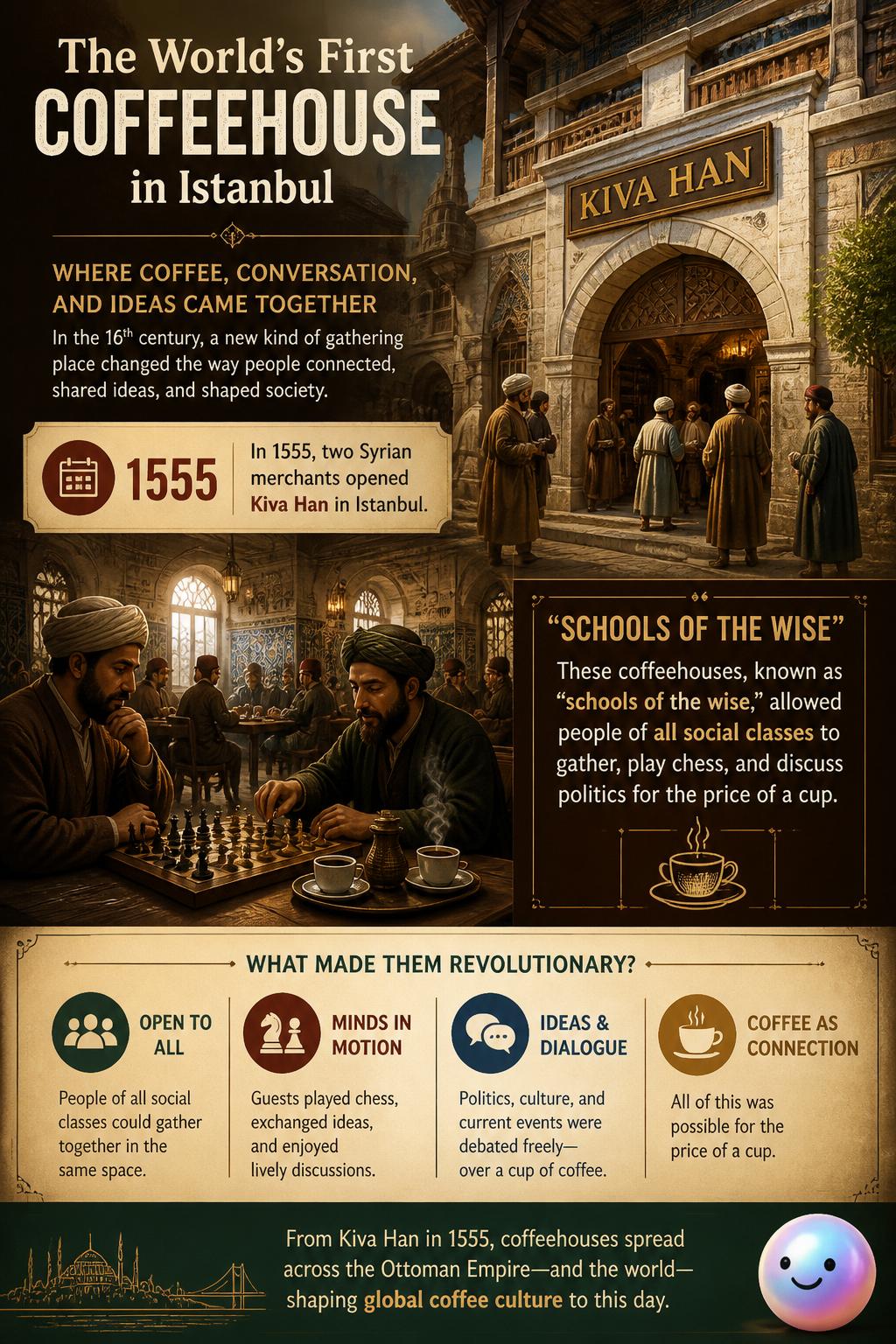
schott Istanbul opened the world's first public coffeehouses in the 16th century, transforming social life.
Goat energy: Legend says coffee was discovered in Ethiopia around 850 CE when a goatherd noticed his flock dancing after eating bright red coffee berries.
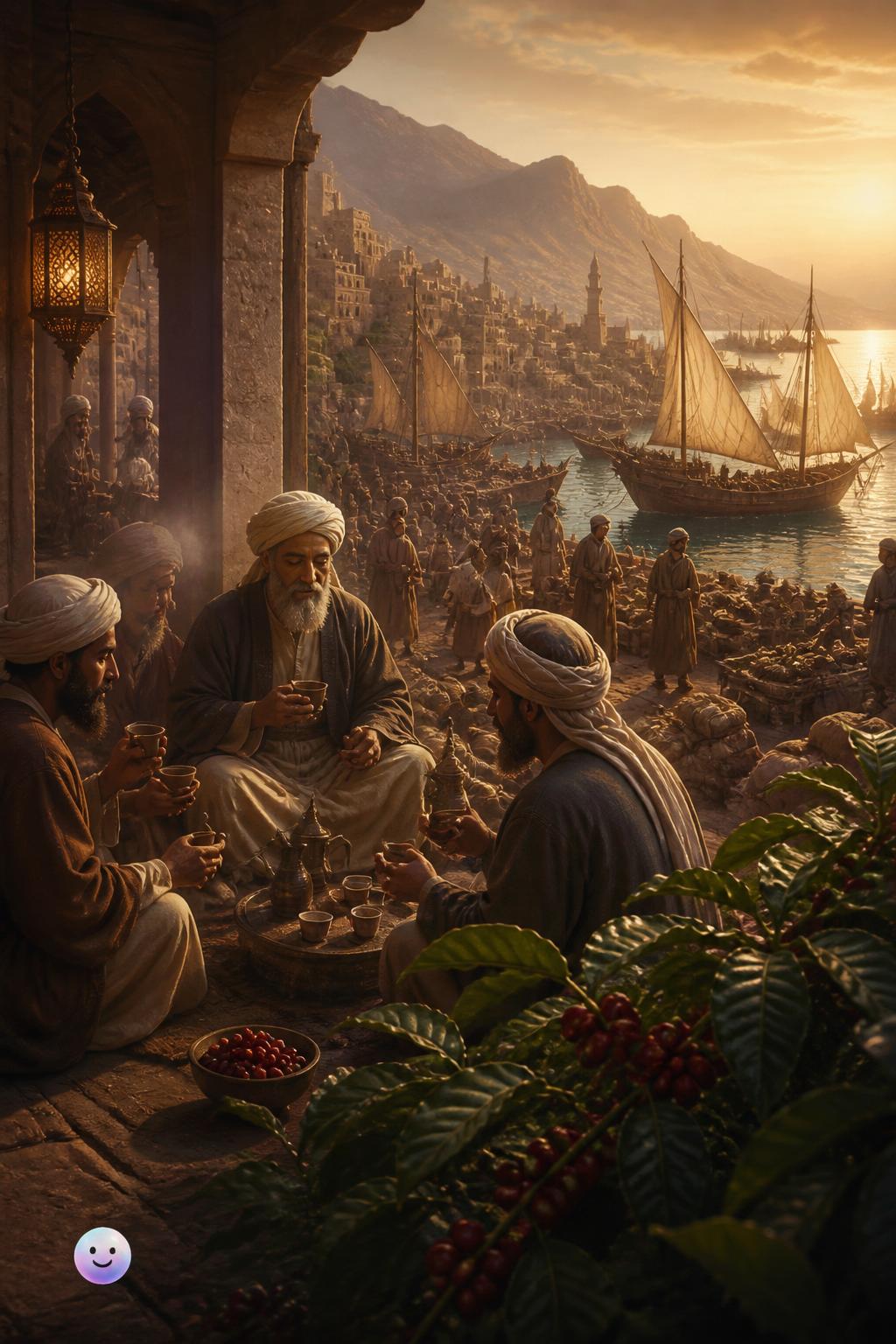
schott Yemeni Sufi monks in the 15th century were the first to cultivate coffee plants and roast the seeds.
A hot drink prepared from the roasted and ground seeds of a tropical fruit-bearing shrub. Ninth-century Ethiopian stories credit the discovery of these energizing seeds to a goatherd named Kaldi.
In which modern-day country did the legend of Kaldi and his dancing goats take place?
Would you drink coffee made from berries that goats chewed first?
In 1555, the world's first known public coffeehouse, Kiva Han, opened in which historic city?
Why did early Islamic scholars in Mecca briefly ban coffee in the year 1511?
What was the name of the historic Yemeni port city that dominated the global coffee trade from the 15th to 17th centuries?
Which group of people in 15th-century Yemen used coffee to stay awake for late-night spiritual rituals?
What did patrons in 16th-century Istanbul call coffeehouses due to the intellectual debates held there?