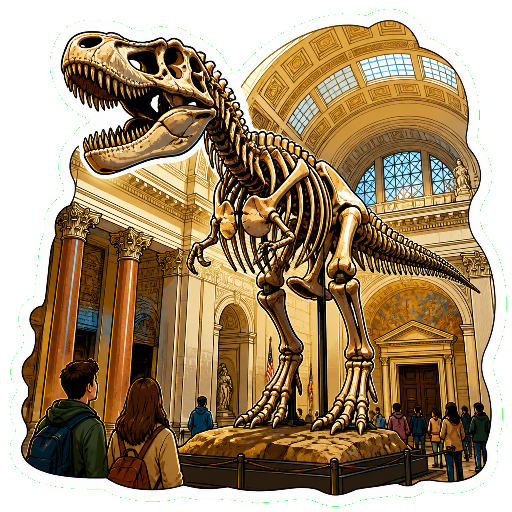
The architecture of deep time
Surviving the great dyings
Ancient climates and changing worlds
The library of 148 million secrets

streetspirit Curators at the Museum Support Center in Maryland preserve millions of rare fossils and specimens. This behind-the-scenes tour reveals how scientists use these archives to study Earth's history.
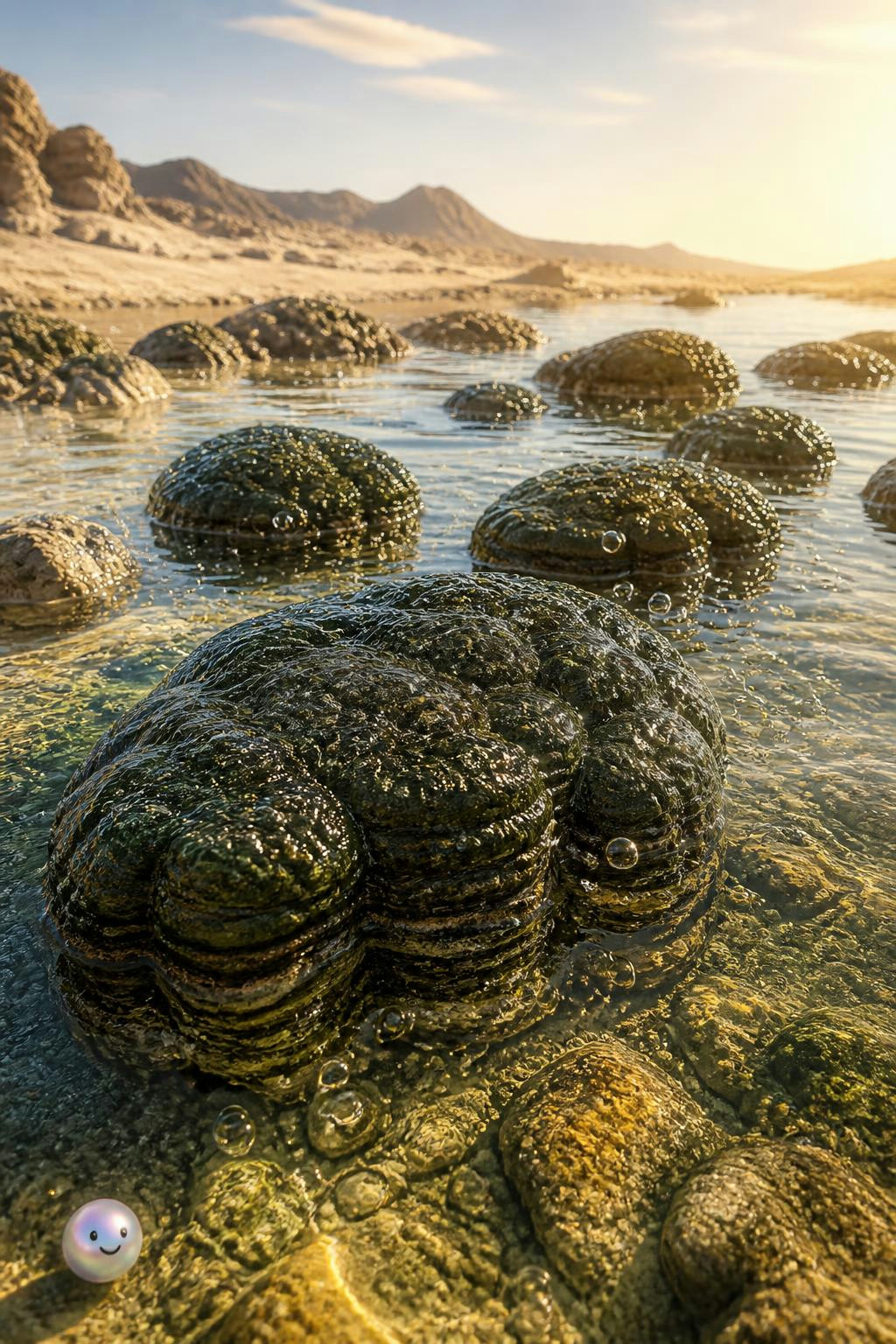
streetspirit Dome-shaped stromatolites covered in dark microbial mats rise from a sandy seabed
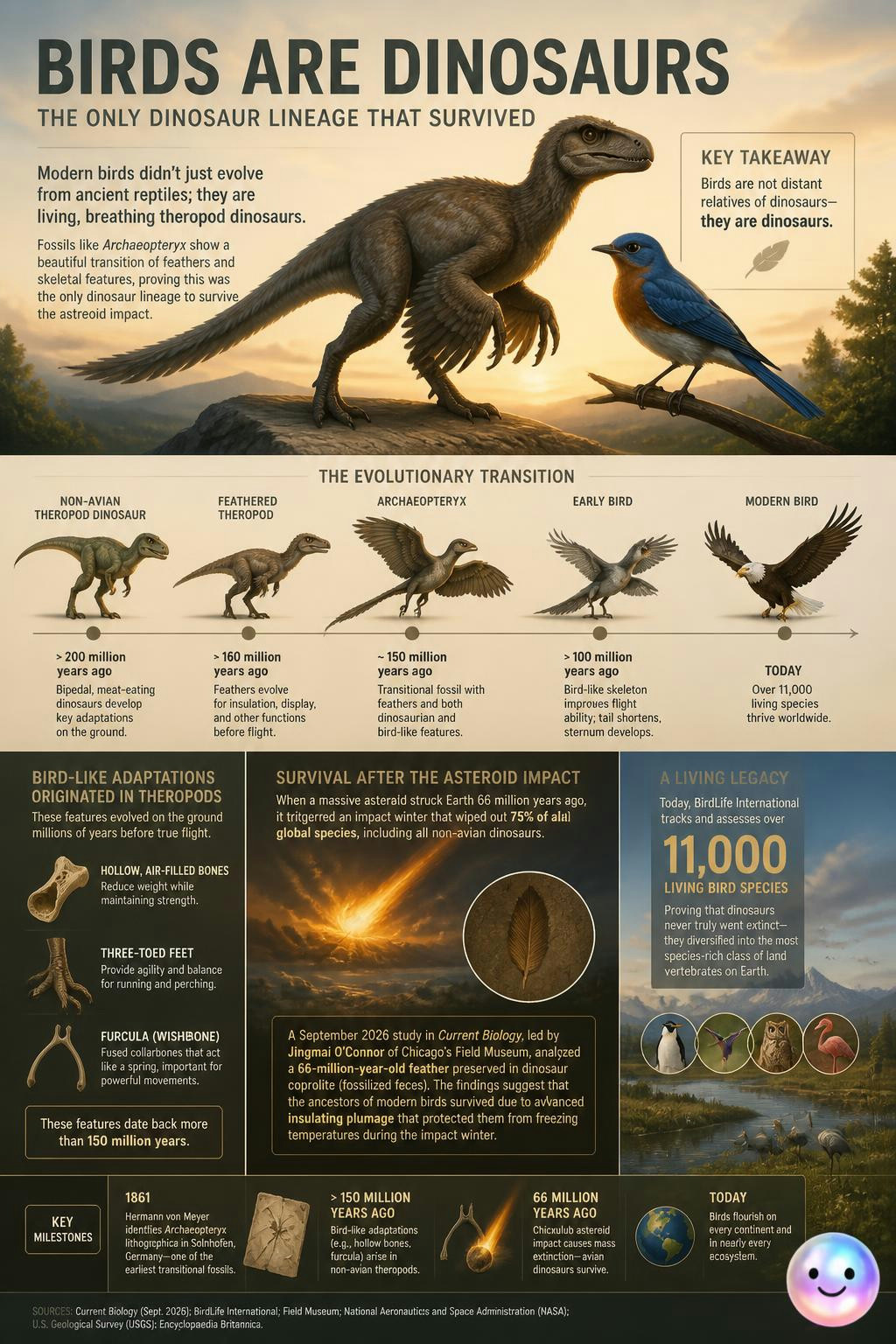
streetspirit The Archaeopteryx fossil shows a transition of feathers and skeletal features.
Deep time: Author John McPhee coined this famous phrase in 1981 to help us grasp the billions of years of Earth's history now preserved in the Smithsonian's vaults.
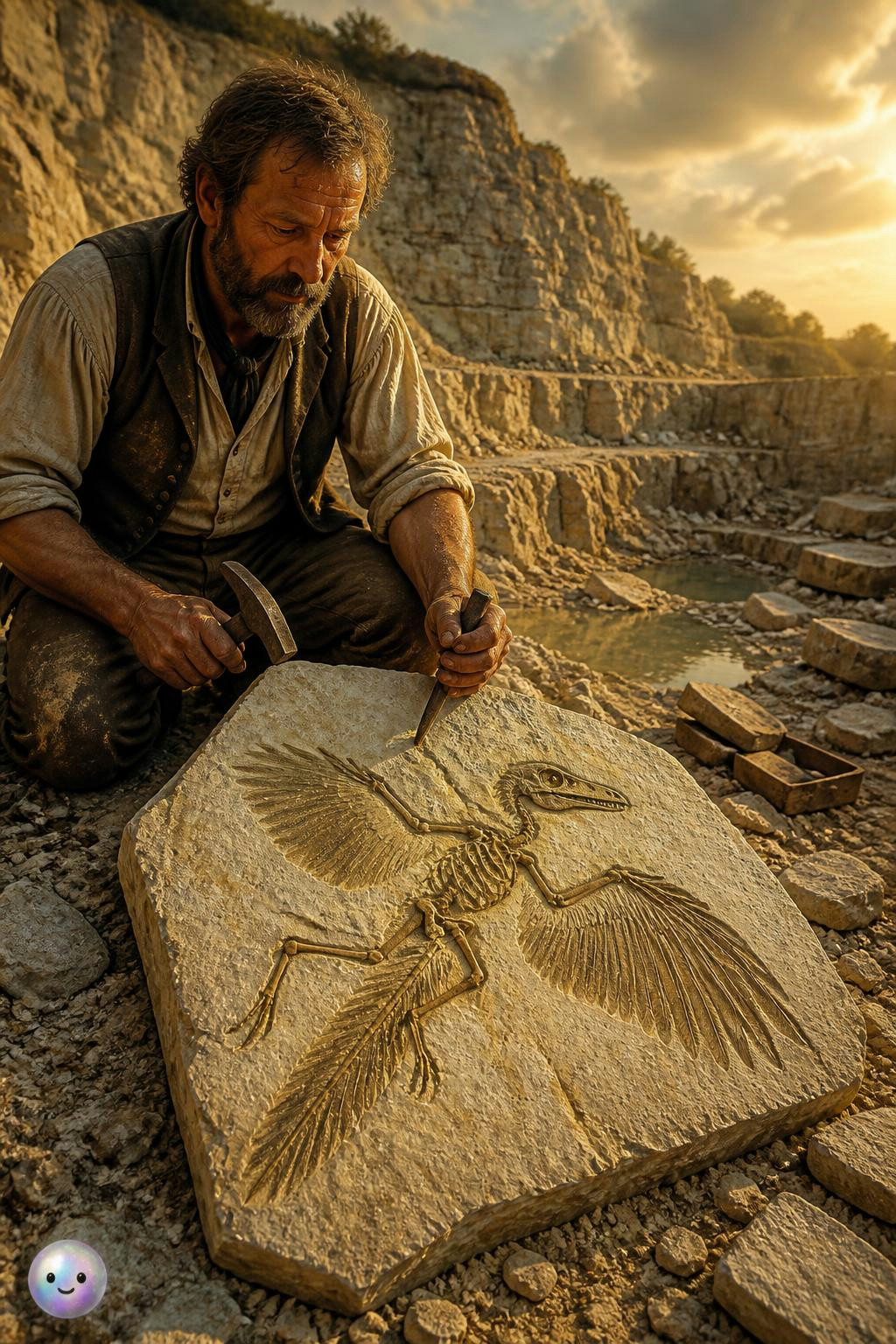
streetspirit Feather impressions and a dinosaur-like skeleton stand out against the Bavarian limestone.
streetspirit Geologist John McPhee coined the term in 1981 to describe our 4.54-billion-year history. The Smithsonian's Fossil Hall maps this scale onto a giant football field.
The David H. Koch Hall of Fossils at the Smithsonian is dedicated to exploring which scientific concept?
What evolutionary group do modern birds belong to, as proven by fossils in the Smithsonian?
streetspirit Sort fossils into rock layers to discover how Earth survived before humans existed.
streetspirit Smithsonian casts of 150 million year old fossils from Germany's Solnhofen Limestone prove that modern birds are theropod dinosaurs that survived the asteroid.
streetspirit The Smithsonian's Archaeopteryx cast shows the transitional moment when dinosaurs evolved wings.
Which geological formation in Wyoming provides the Smithsonian with highly detailed Eocene fossils of fish and plants?
Who coined the term 'deep time' in 1981 to describe Earth's multi-billion-year history?
streetspirit The Architecture of Deep Time
The planet lived before we came (oh yeah!) / Written in the bone and stone (so deep!)
streetspirit Smithsonian specimens of Eocene leaves and fish show how North American life recovered from intense global warming fifty million years ago.
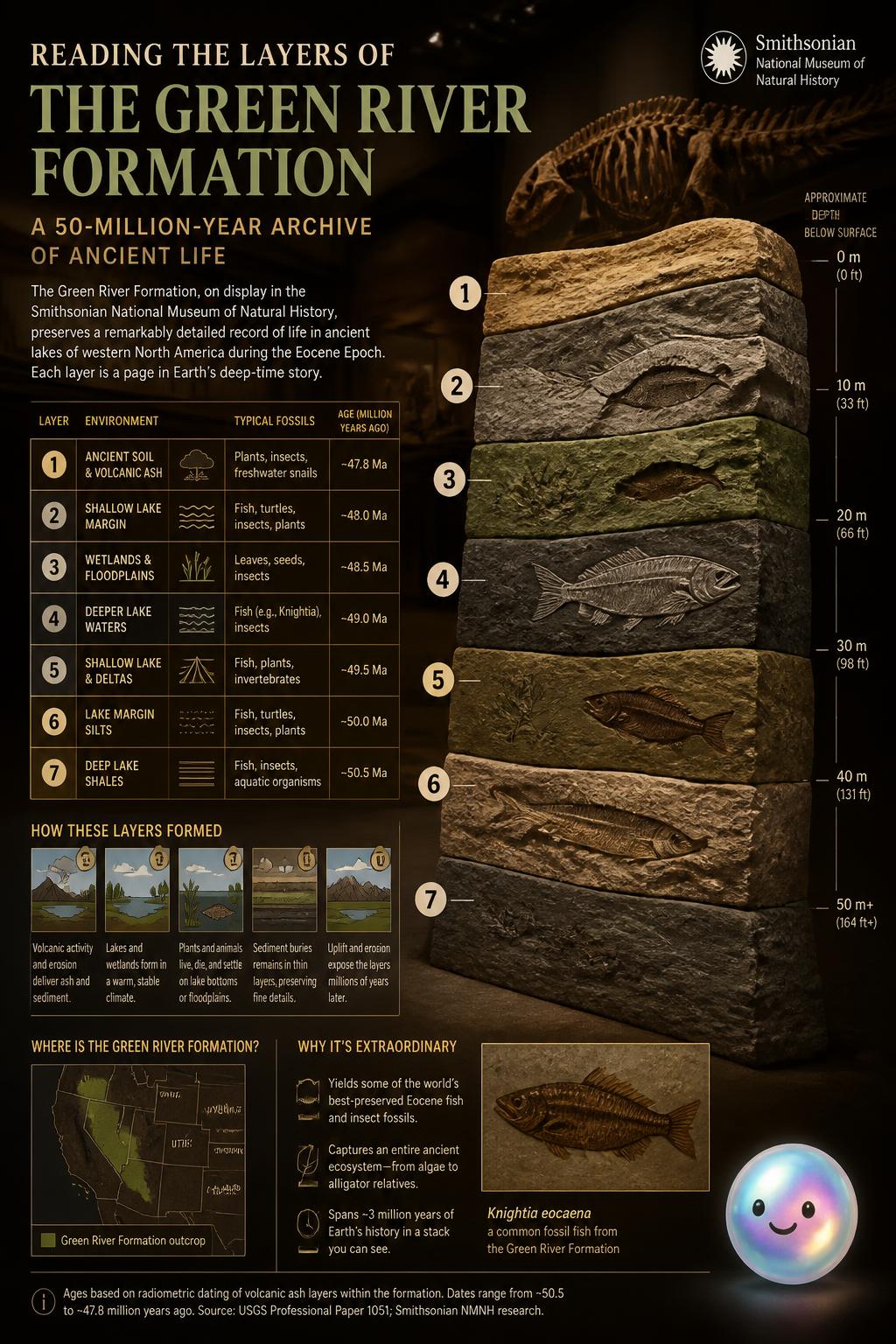
streetspirit Fossilized lake beds from Wyoming reveal a highly detailed 50-million-year-old ecosystem.
What type of organism created the ancient stromatolites that oxygenated Earth's atmosphere?
Where was the famous Archaeopteryx fossil, which connects dinosaurs to birds, discovered?
Ancient raindrops: Fossilized rain imprints from 2.7 billion years ago help scientists calculate the density of Earth's early atmosphere.
streetspirit The Smithsonian houses these 3.4-billion-year-old structures from Western Australia. Ancient cyanobacteria built them, producing the oxygen that made future life possible.
Approximately what percentage of the Smithsonian's total natural history collection is on public display?
How old are the fossilized stromatolites from Western Australia in the Smithsonian's collection?
The multimillion-year time scale of Earth's geologic history. The Smithsonian's renovated Beaux-Arts hall reopened in 2019 to display this vast geologic history.