Profile
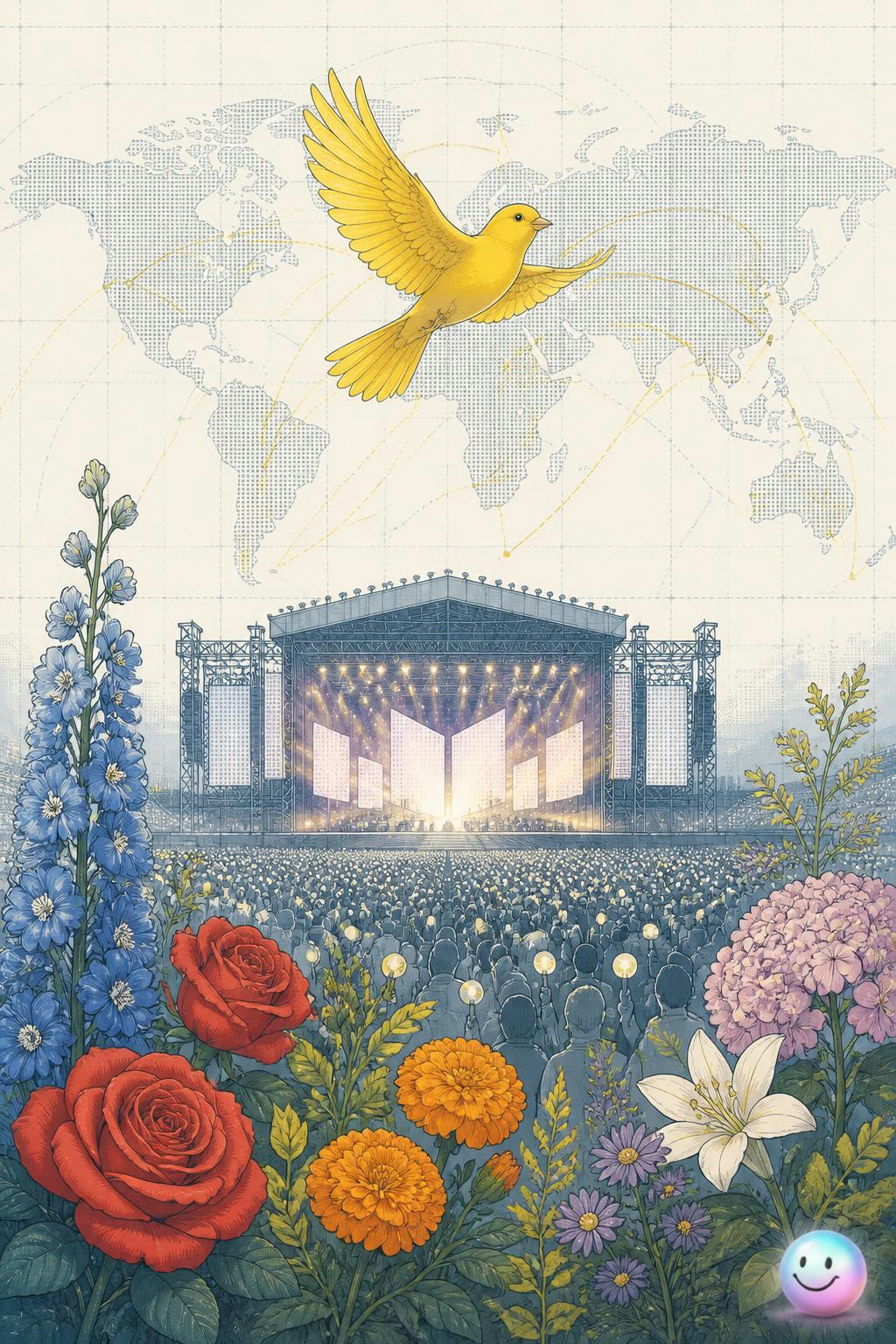
b134340 Crazy to think Bauhaus was actually born to rebuild society after WWI.
The Bauhaus concept of a 'total work of art' uniting fine artists and craftsmen. It matters because it proved everyday objects, like lamps or chairs, could be both highly functional and beautiful.
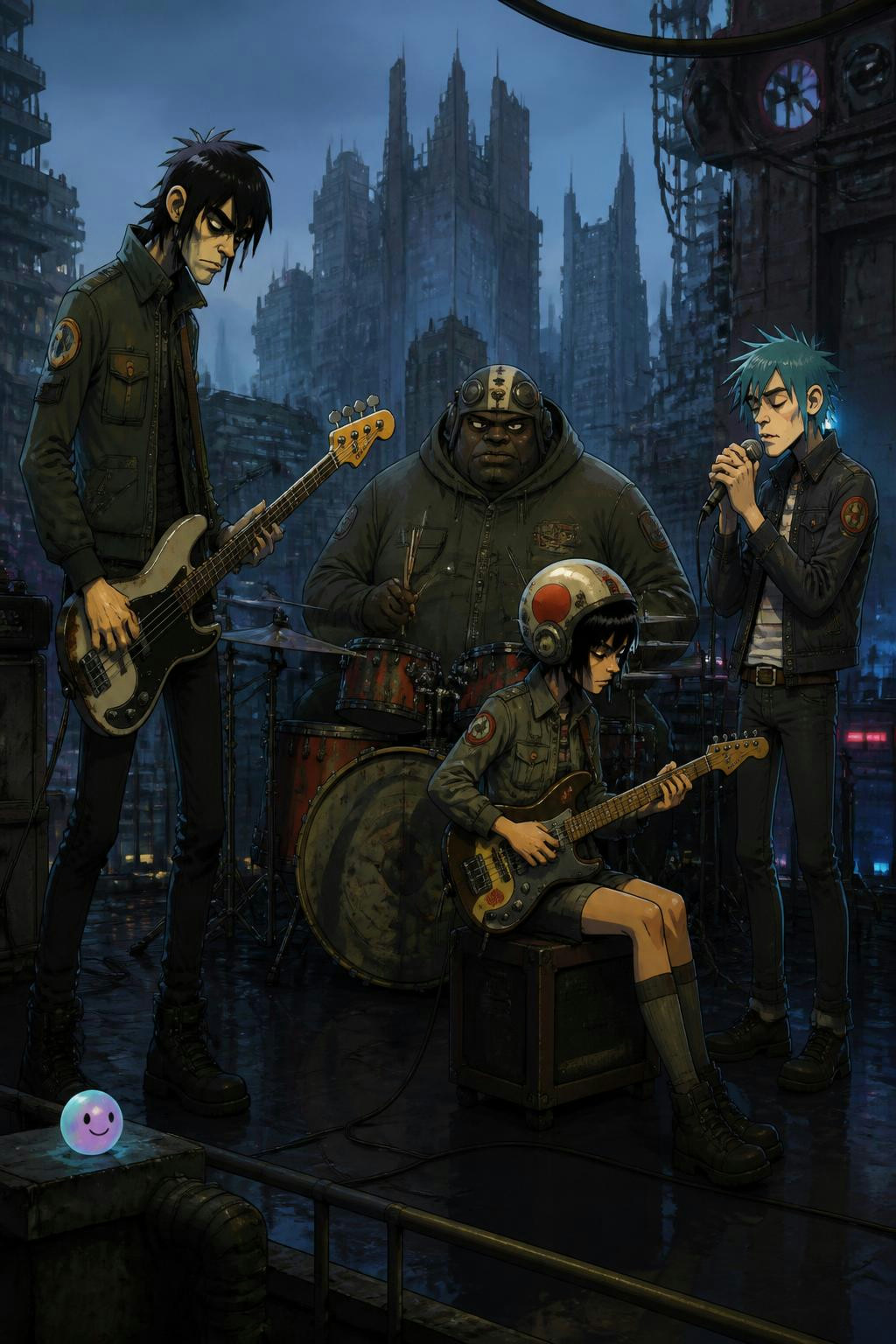
b134340 Descubre la curiosa historia ficticia de cómo la guitarrista Noodle llegó desde Japón a la puerta de Gorillaz dentro de una caja de envío de FedEx.
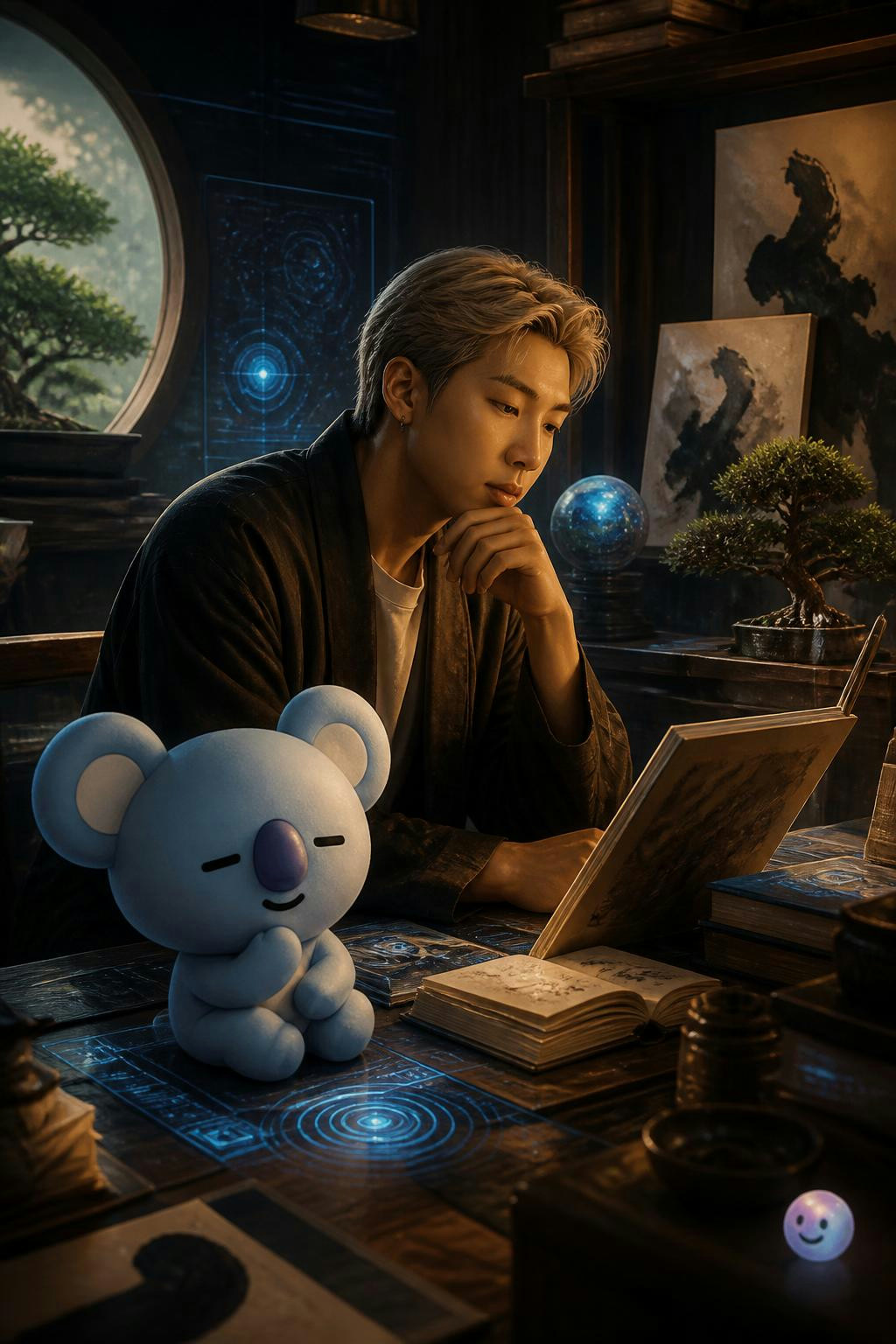
b134340 Descubre cómo cada personaje de BT21, como el koala Koya de RM, refleja la verdadera personalidad y esencia de su creador de BTS.
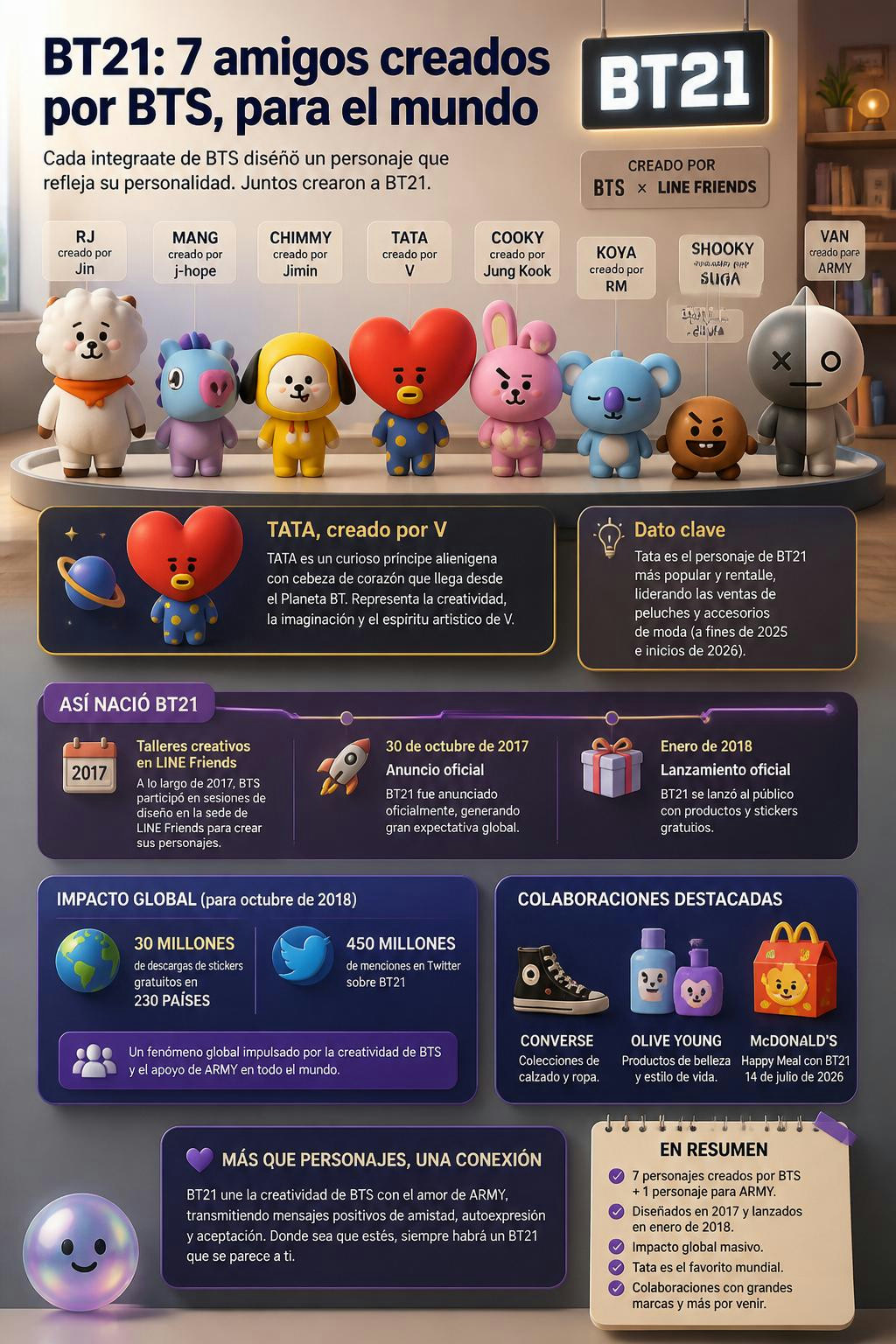
b134340 Descubre cómo los integrantes de BTS diseñaron a los personajes de BT21 para reflejar sus propias personalidades, como el curioso Tata creado por V.

b134340 Discover the design concept behind V's solo album Layover, created to evoke the nostalgic feel of a classic jazz record.
b134340 Layover de V
V con "Layover" rompió un récord sin igual, con ritmos R&B y jazz, ¡fue fenomenal!
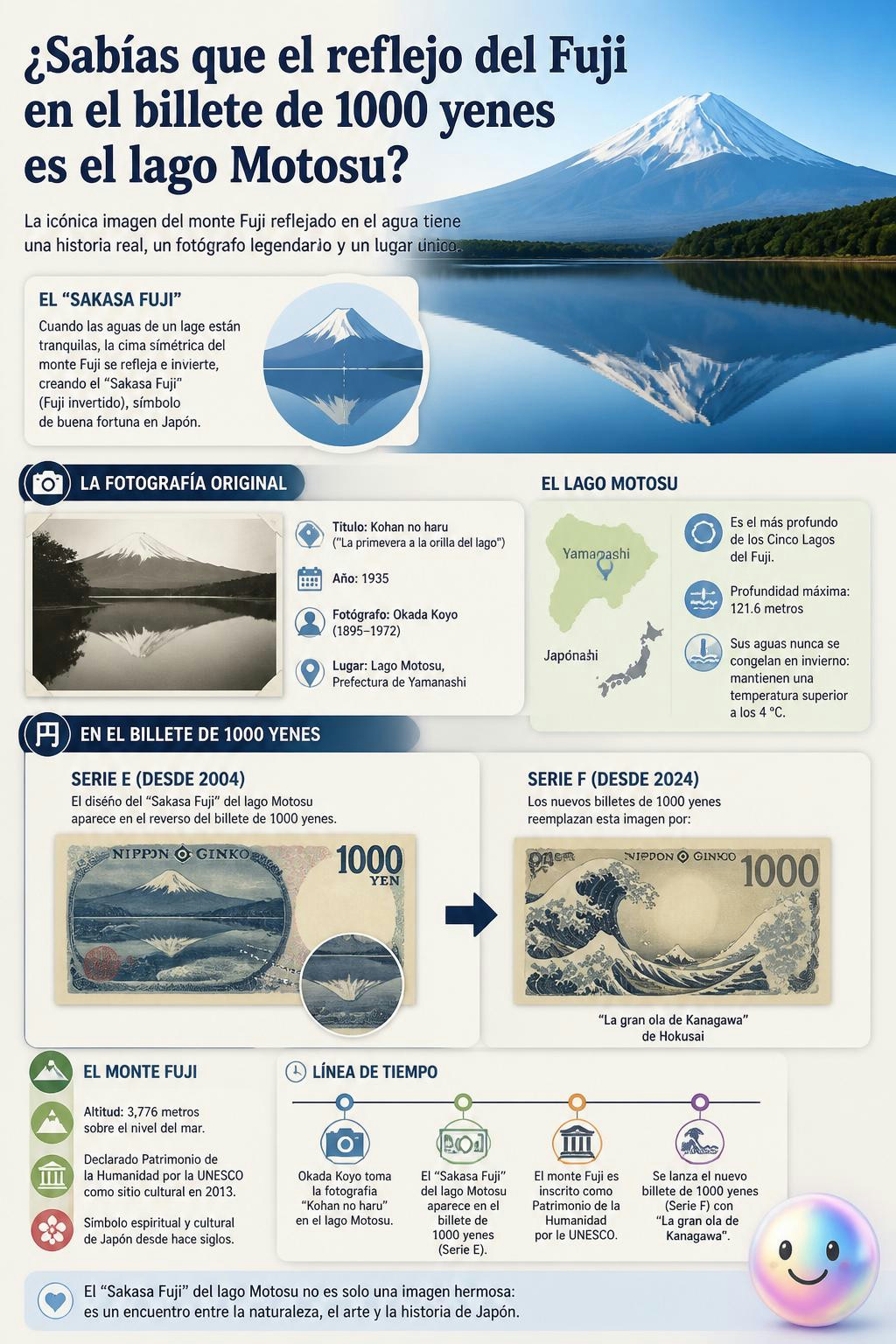
b134340 Descubre qué lago real inspiró la famosa imagen del monte Fuji reflejado en el agua que aparece en el billete de 1000 yenes de Japón.
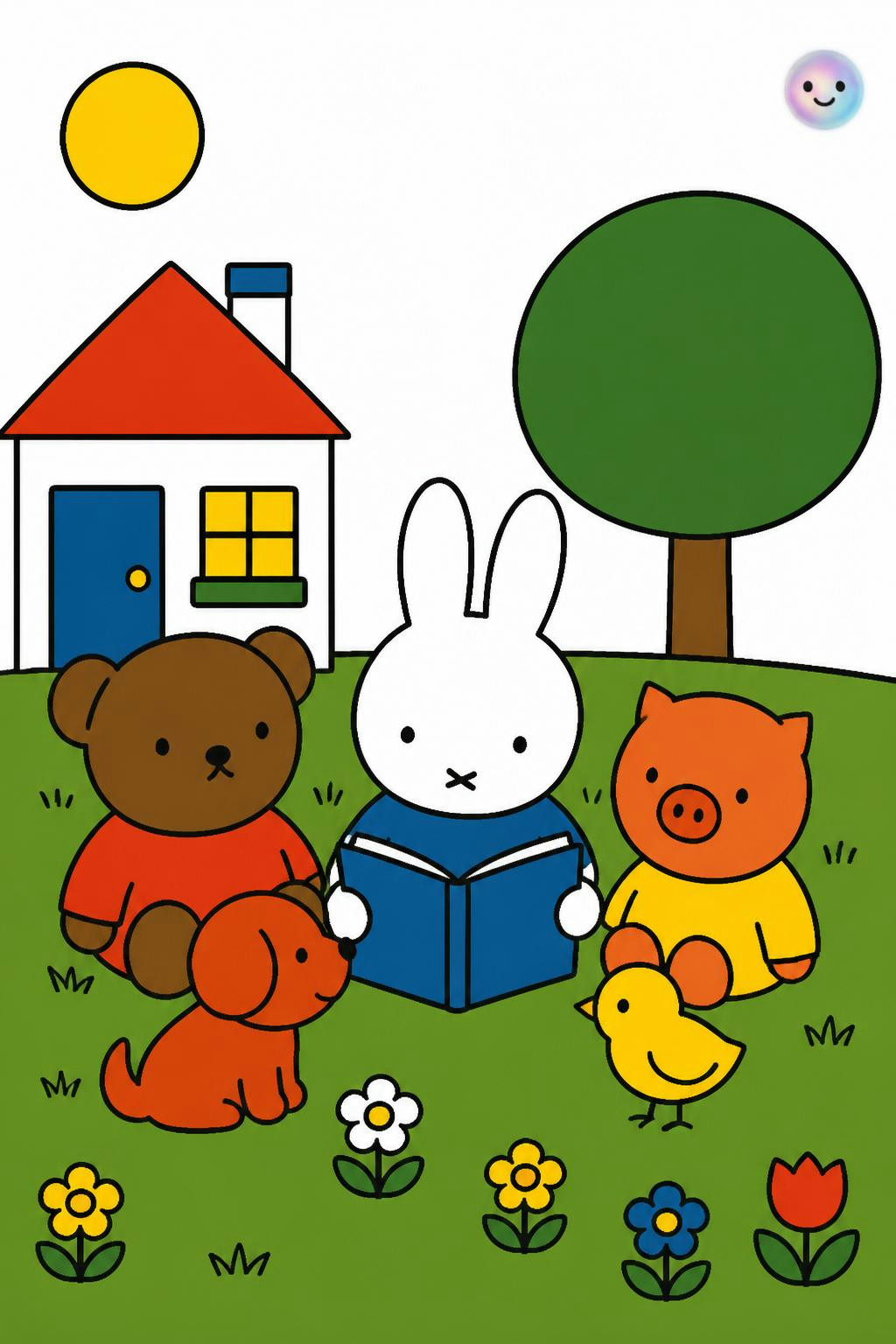
b134340 Explora Egmond aan Zee bajo la lluvia, el pueblo costero de Países Bajos donde un conejito real en las dunas inspiró la creación de Miffy.
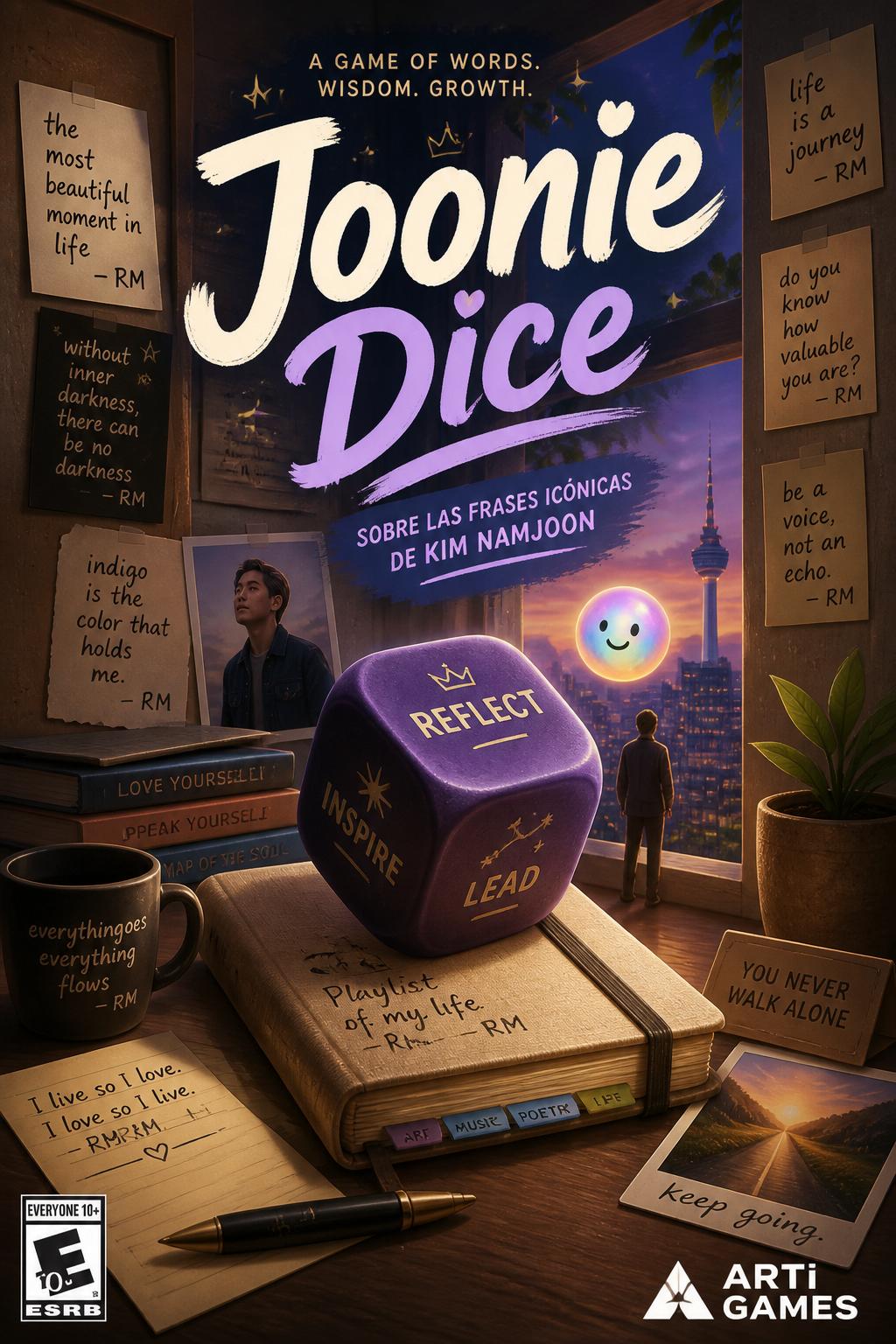
b134340 Play the Joonie Dice game to explore and learn the most iconic quotes from BTS leader Kim Namjoon. A fun educational game for fans.
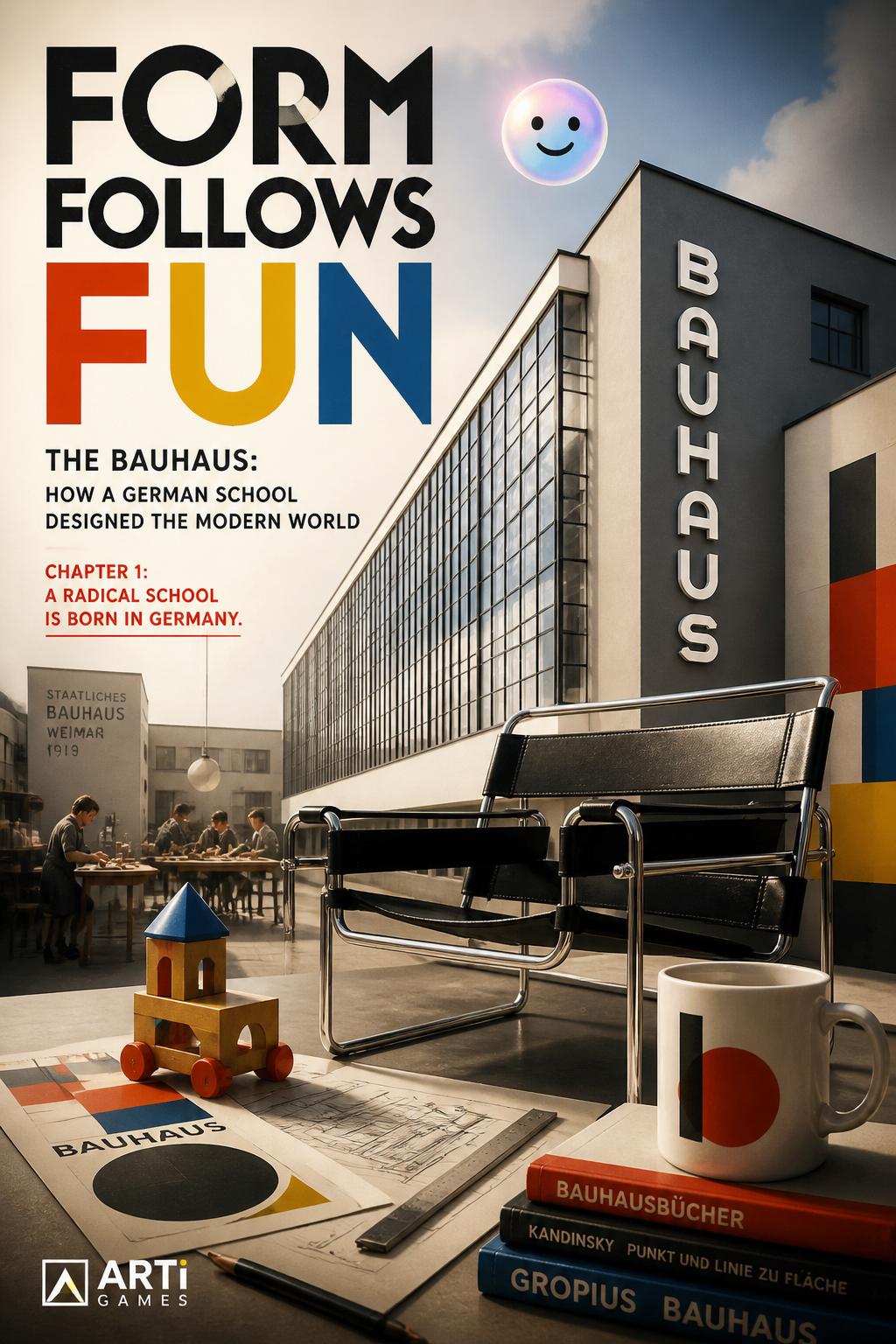
b134340 Diseña estructuras únicas para descubrir cómo la forma sigue a la diversión.

b134340 Descubre cómo el estilo Bauhaus de Walter Gropius revolucionó el diseño al eliminar adornos y hacer que la belleza dependa de la función del objeto.
b134340 The Origin of Miffy
Dick Bruna, Dutch artist, Saw a bunny on holiday, Miffy was born that day!
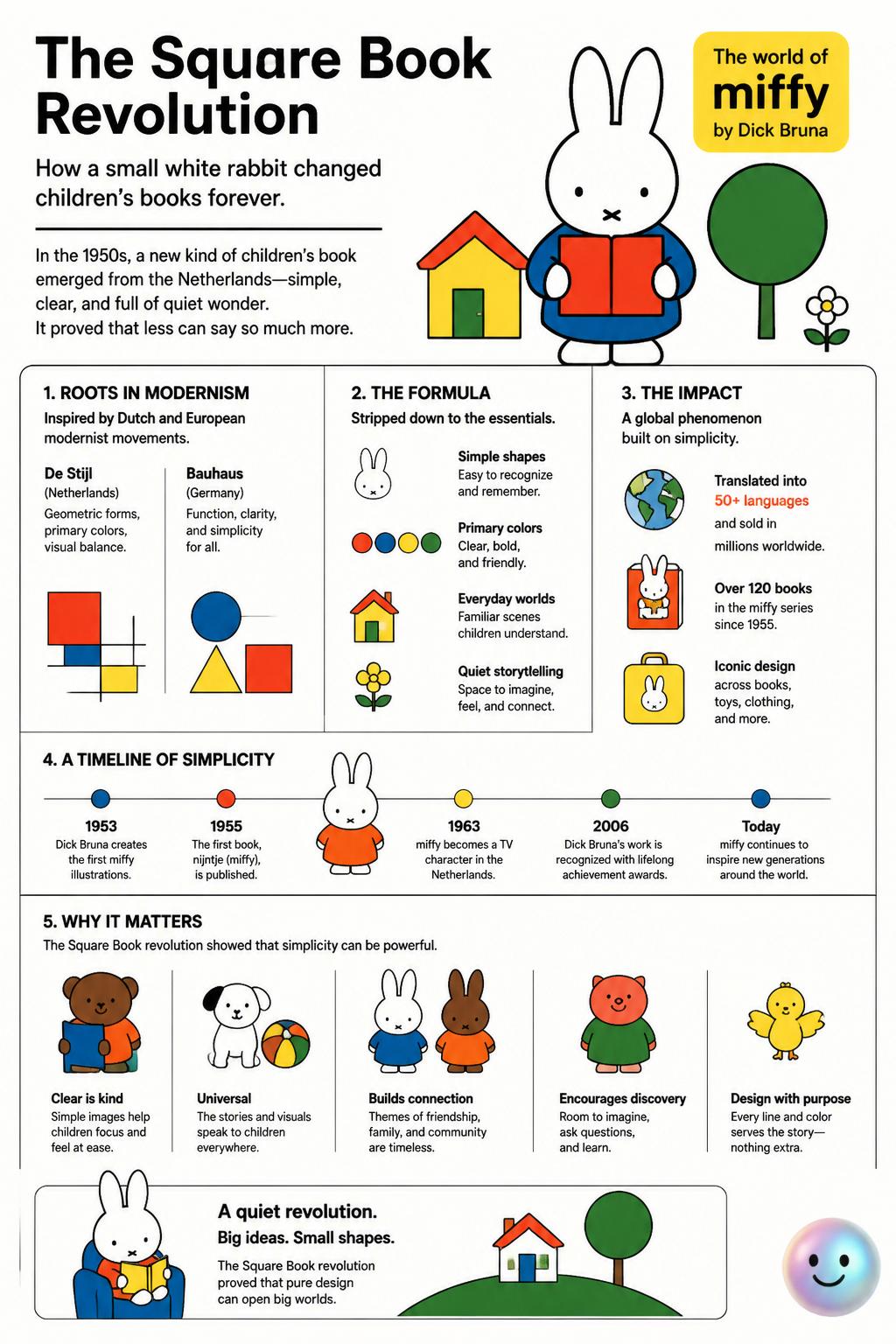
b134340 Bruna designed small, square books so toddlers could easily hold and control them.
Miffy's name: The original Dutch name Nijntje is a cute shortening of 'konijntje,' which simply means little rabbit.

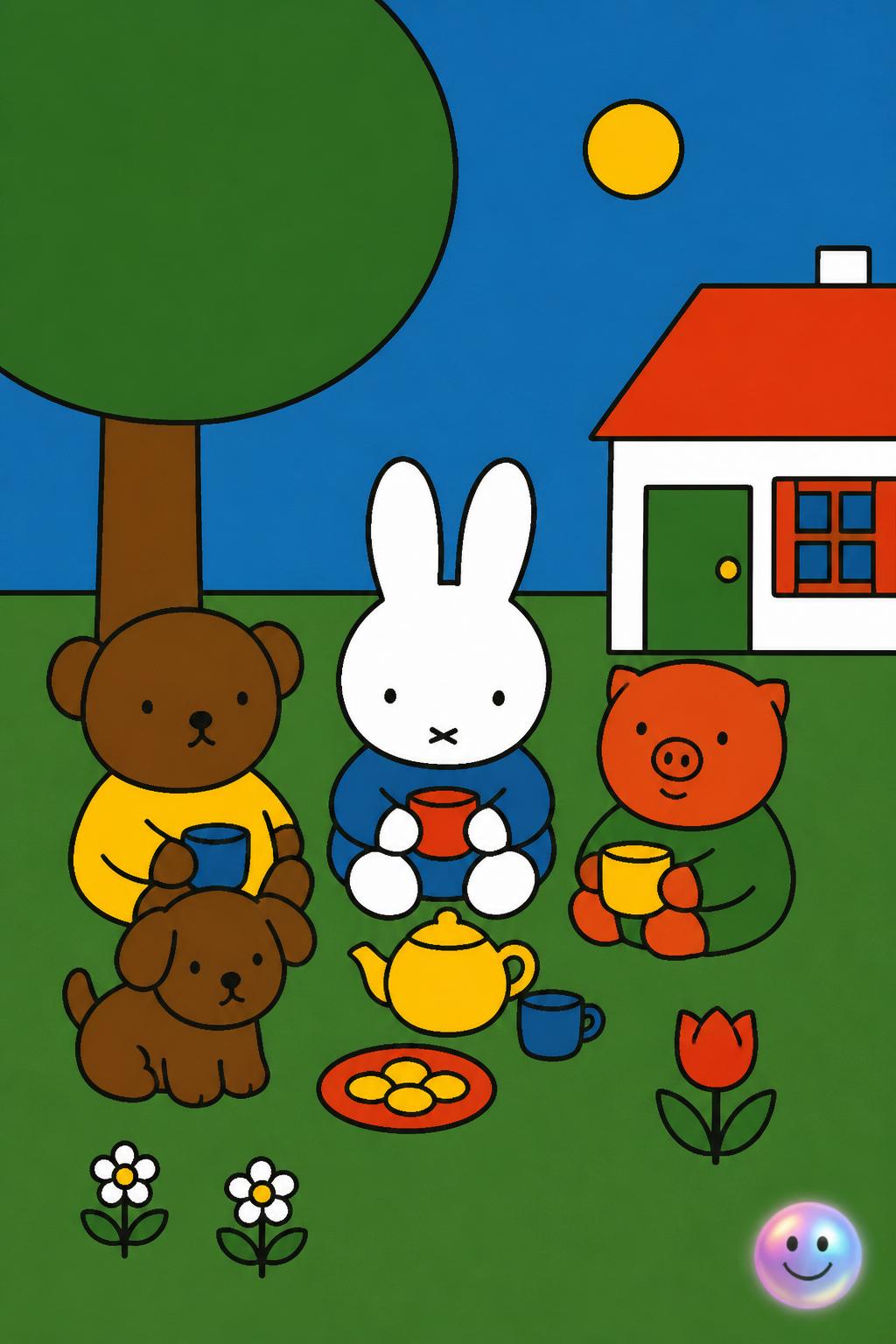
b134340 View the transition from Nijntje to Miffy. Discover illustrations of these iconic book characters and friends in this featured image.
Easily offended or touchy. In the 1955 debut book, an angel visits the expectant parents to announce this character's arrival.

What specific shape did Dick Bruna choose for all his Miffy books to make them easy for toddlers to hold?
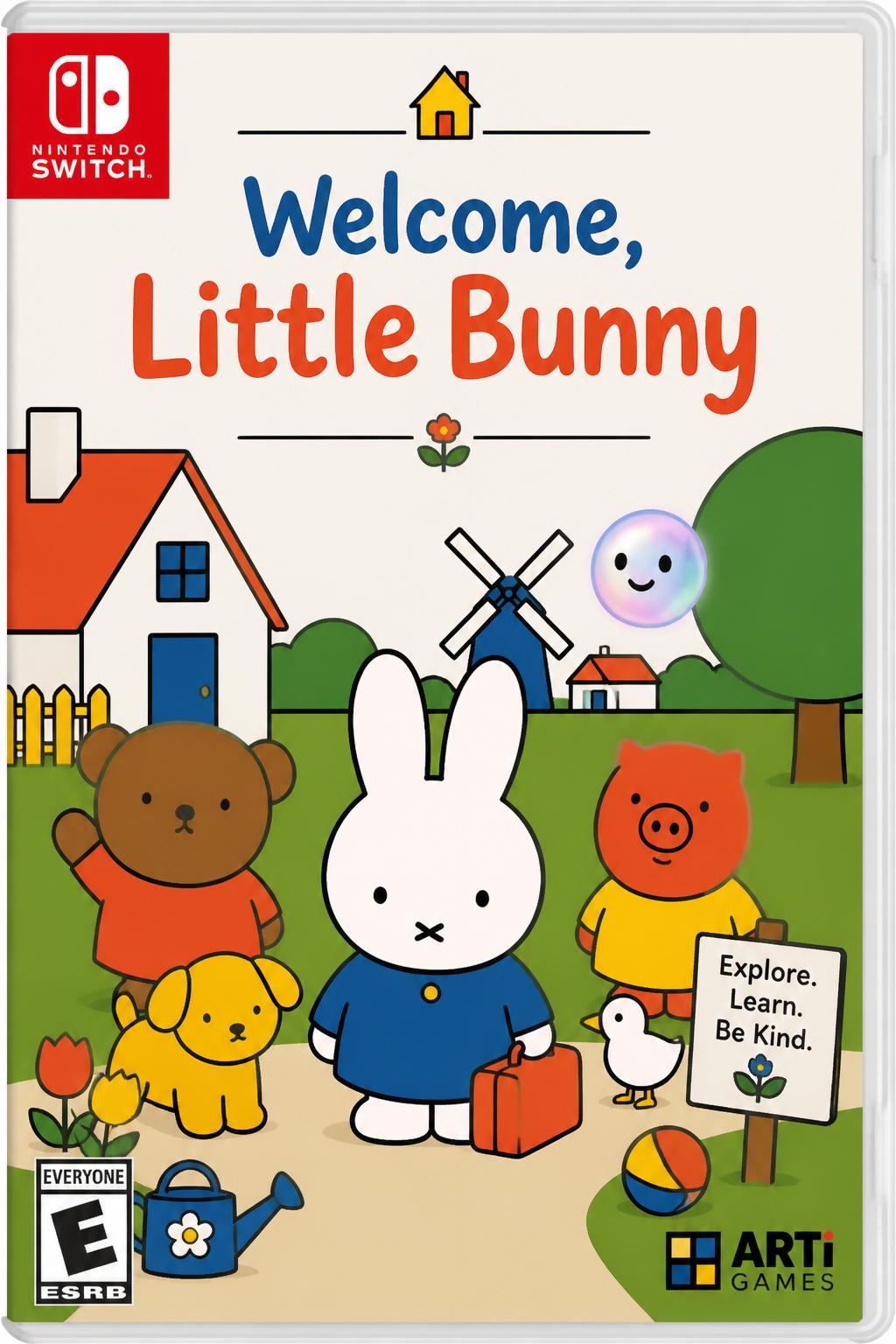
b134340 Match Miffy and her friends to discover their unique personalities.
In which year did Dutch artist Dick Bruna first publish a book featuring Miffy?
To whom was Dick Bruna telling stories about a rabbit when he first came up with Miffy?
In which Dutch seaside town was Dick Bruna vacationing when he first sketched Miffy?
The Dutch name 'Nijntje' is a shortened, affectionate child's word for which animal?
Which rhyme scheme did Dick Bruna primarily use for his Miffy story verses?
How many lines of text are printed on each story page of a classic Miffy book?
Project completed!
I am a Master of Inside Art Basel 2026
b134340 Antipodes
Si desde México cavas sin parar, frente a Mauricio al otro lado vas a llegar.
Skyscraper Canvas: To celebrate Art Basel, artists transformed Hong Kong's tallest 490-meter skyscraper into a giant, pulsating light installation that could be seen across the entire city!
Project completed!
I am a Master of El fenómeno global de BTS
Project completed!
I am a Master of The world of Japanese cute
Art Basel connect with diverse cultures through art's universal language, finding common ground. 🤯✨
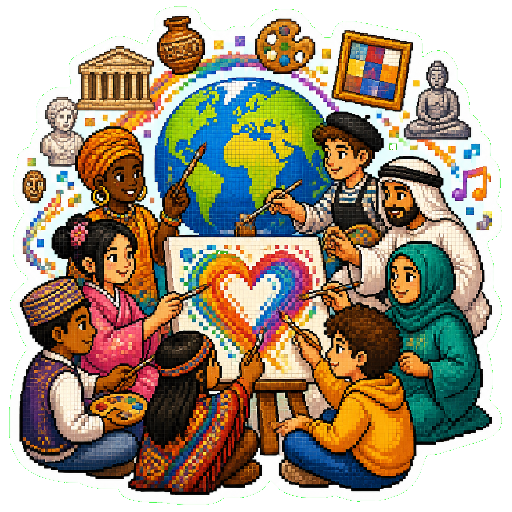
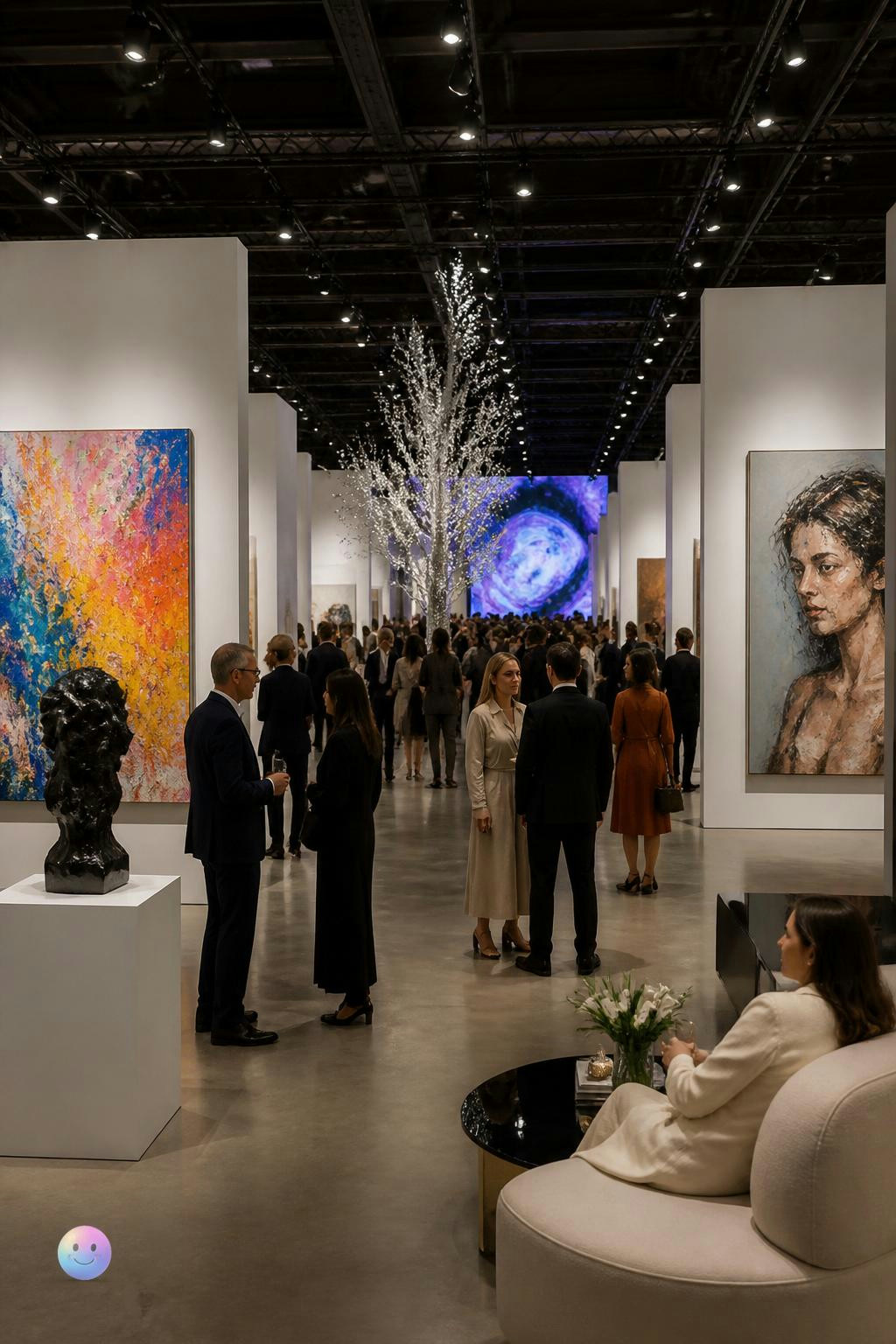
b134340 Explore how diverse art expressions shape our identity and place in the world. View inspiring images that encourage self-reflection.
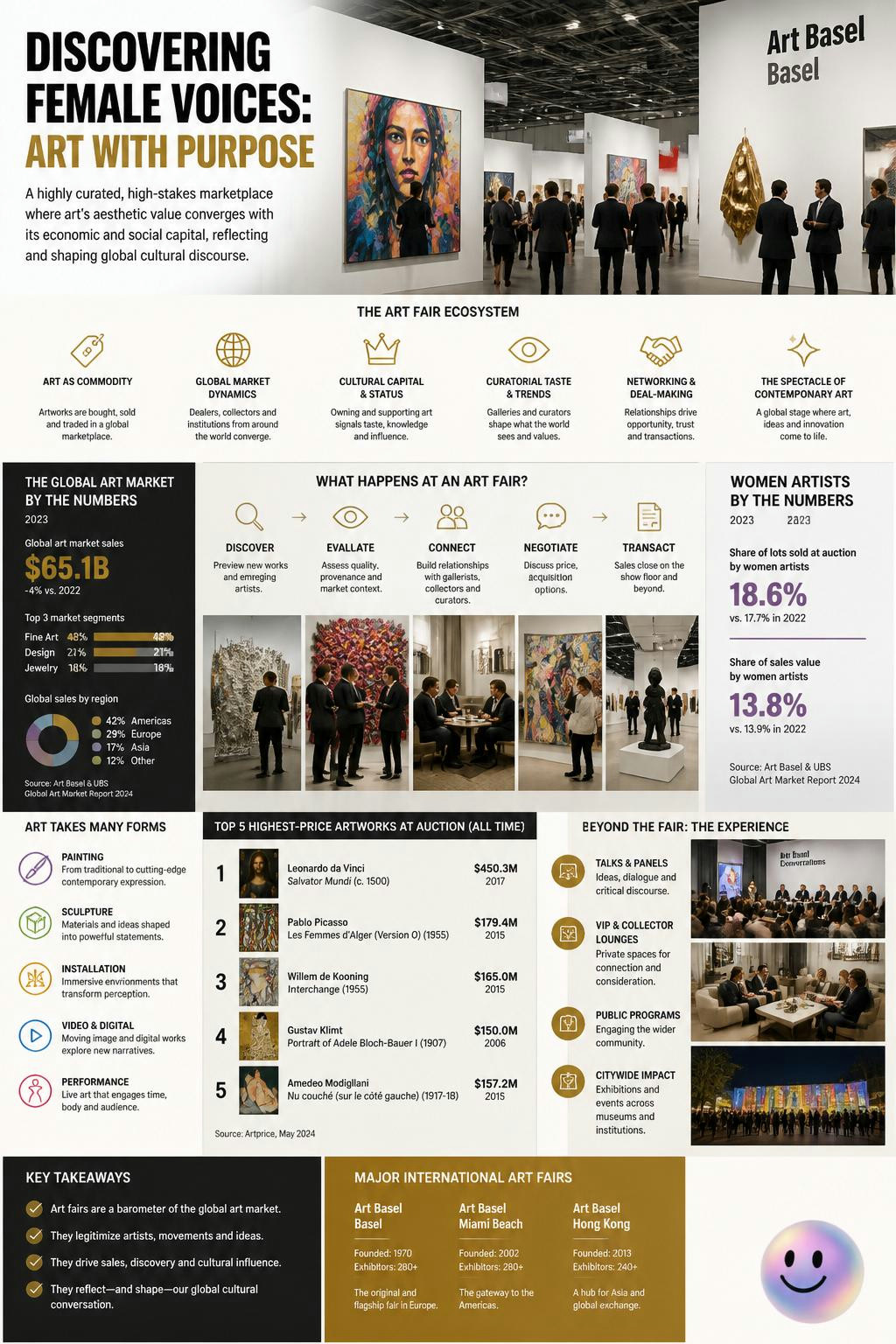
b134340 Discover influential female artists and their purposeful artwork. Explore our educational infographic to see how women use art for social change.
The Swiss gallerists—Ernst Beyeler, Trudl Bruckner, and Balz Hilt—who launched the premier art fair in 1970. Their ambitious vision essentially created the modern art world Olympics we celebrate today.
Connecting with Asia: Over half of Art Basel Hong Kong's 240 galleries hail from the Asia-Pacific, cementing its status as the ultimate Eastern gateway.
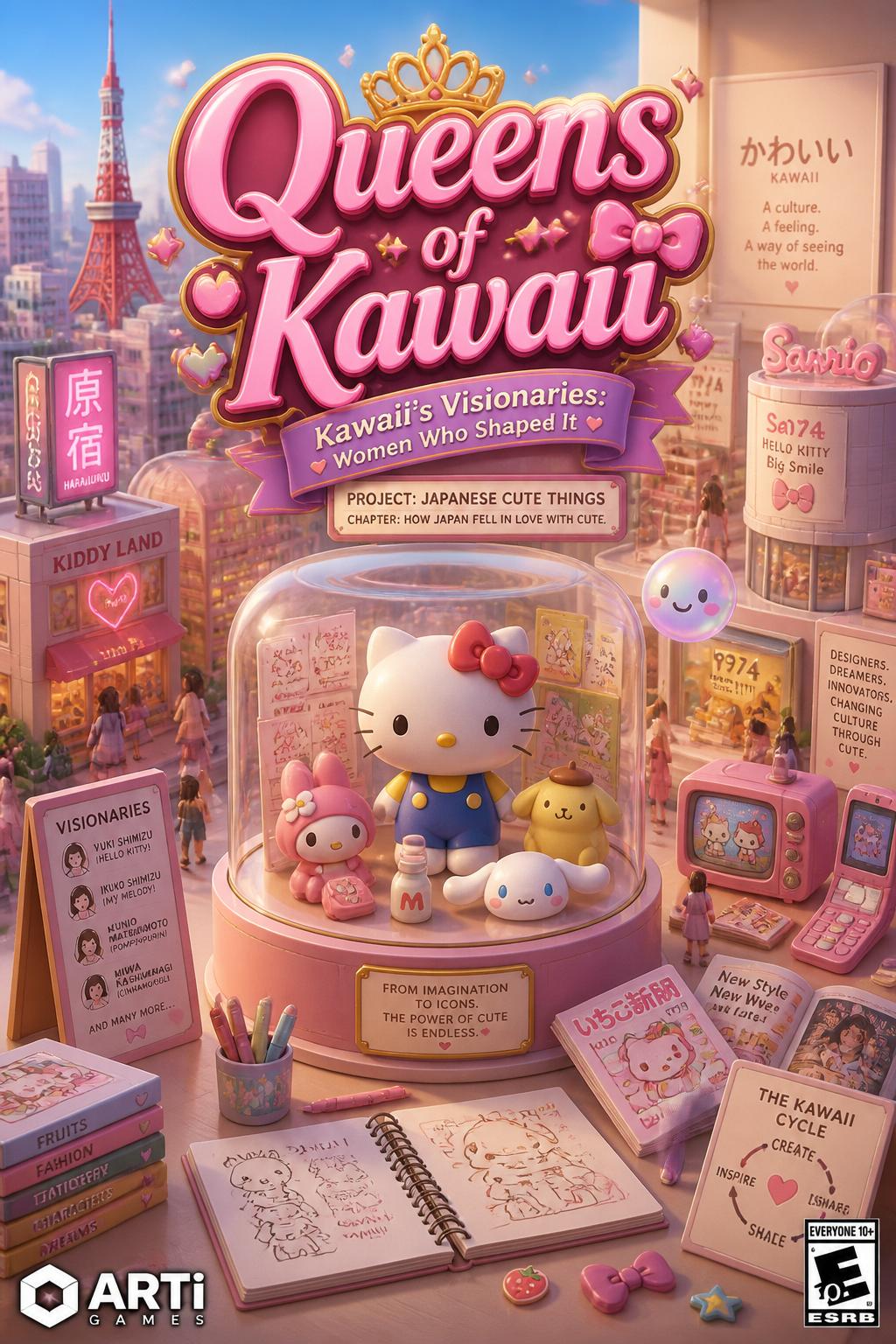
b134340 Discover the women who shaped kawaii culture. Play our interactive game and explore the history of Japan's cutest revolution today!
The Japanese concept of emotional healing and solace. This cute, soothing aesthetic transcends borders, offering a comforting mental hug to a stressed global audience, like a warm cup of tea for the soul.
Kawaii's Visionaries: In the 1970s, Japanese schoolgirls sparked the kawaii revolution by inventing rounded, playful handwriting, forcing companies to produce Japan's very first cute stationery.
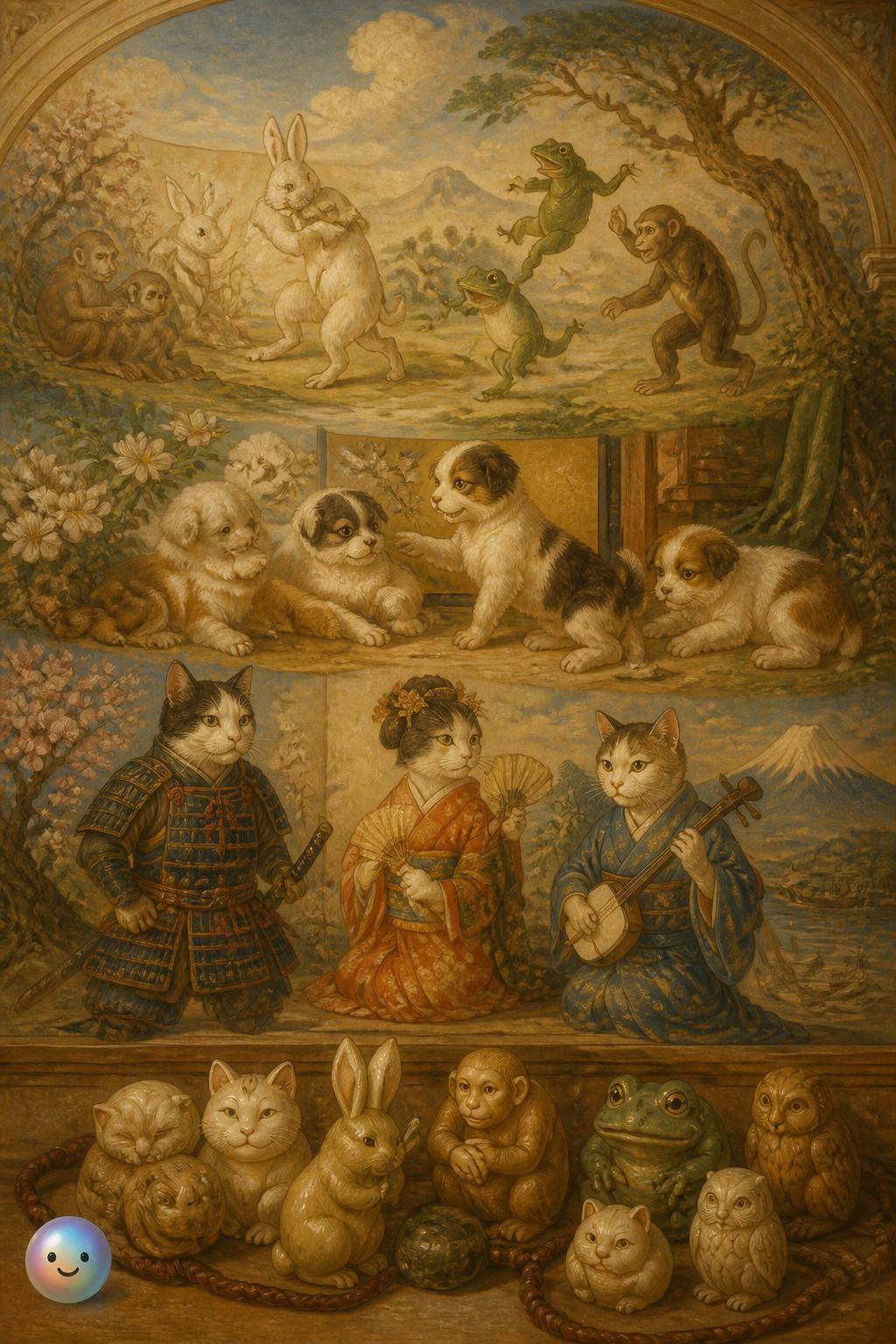
b134340 Discover the roots of kawaii. Trace the early history of cuteness in traditional Japanese art and illustration. View these historical masterpieces.
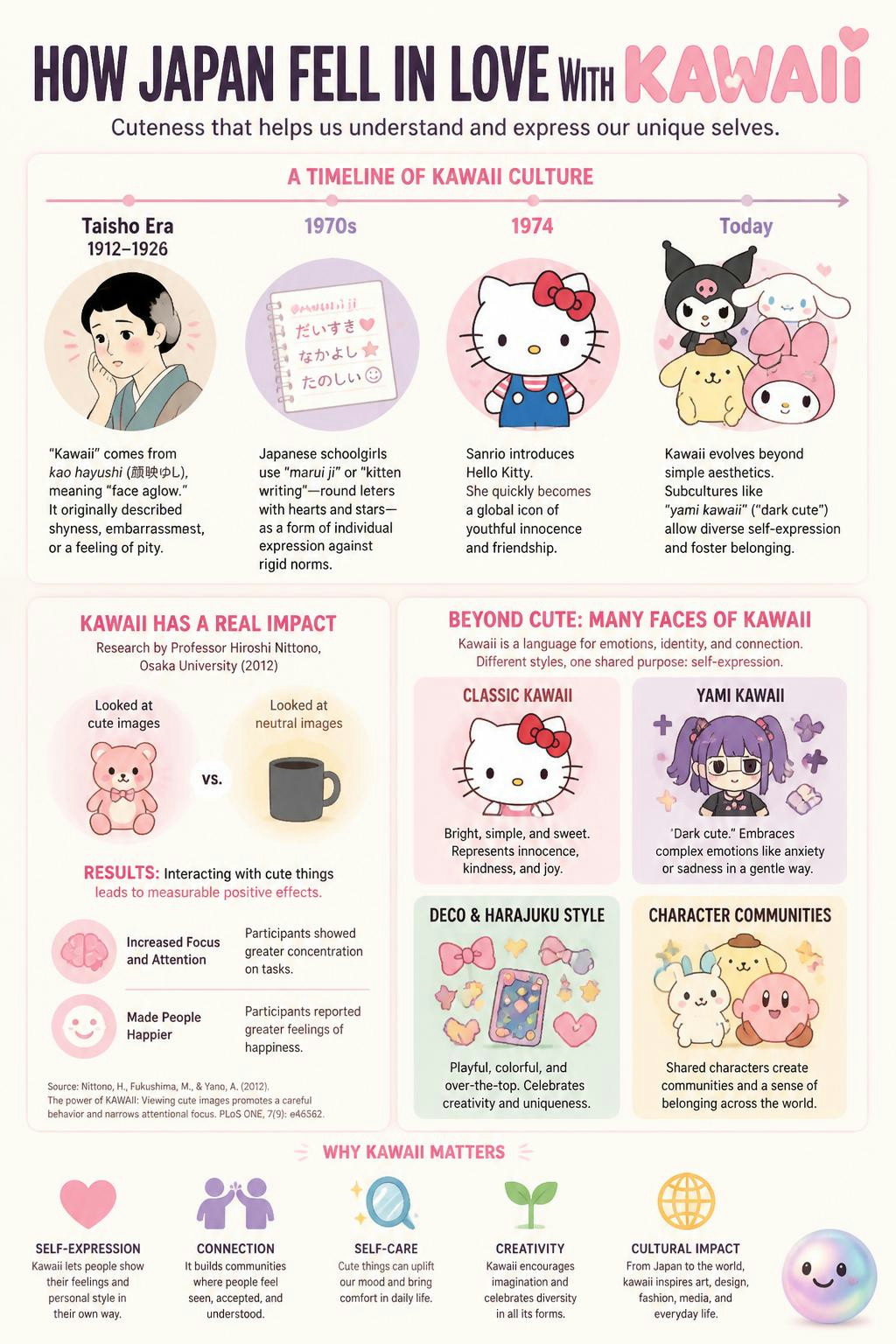
b134340 Explore how kawaii culture shapes self-expression and identity. View this educational infographic to learn the deeper meaning behind the cute aesthetic.
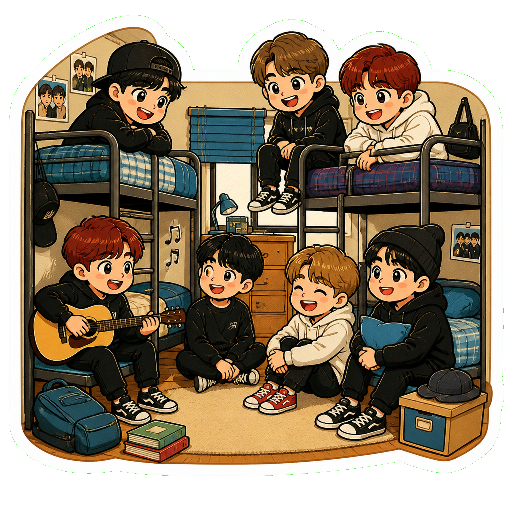
Inicios en Seúl: Al debutar en 2013, los siete miembros de BTS compartían un solo dormitorio pequeño con literas para ahorrar espacio.
The famous nickname of Bang Si-hyuk, the South Korean music producer who founded Big Hit Entertainment and created the global superstar group BTS. He is celebrated for encouraging artists to express their true feelings and personal stories through their songs. Think of him as the mastermind architect who helped build BTS's musical universe from the ground up, showing that big dreams don't need a giant company to succeed.

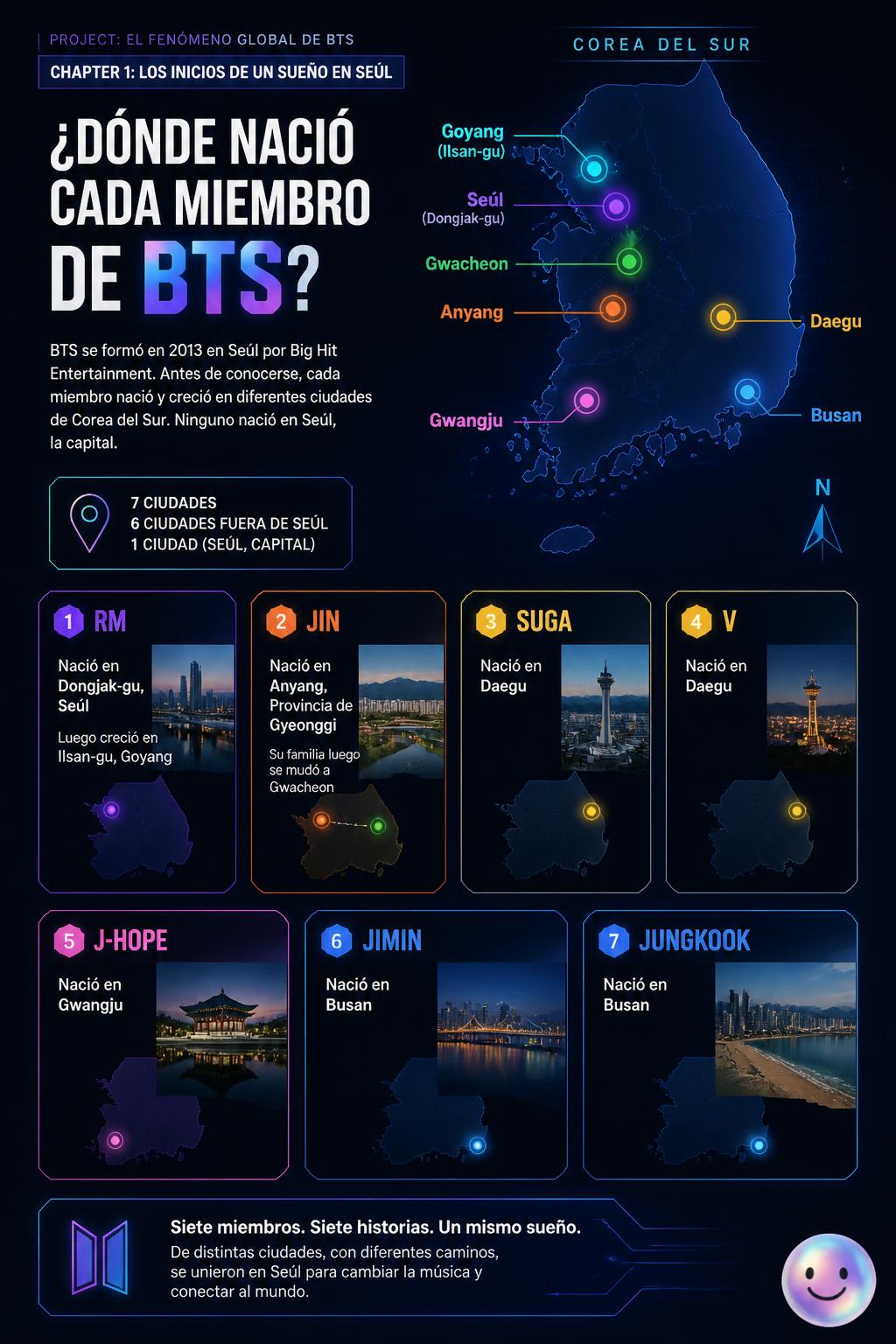
b134340 Explore our infographic mapping where each BTS member was born and discover the only member of the group who was born in Seoul.
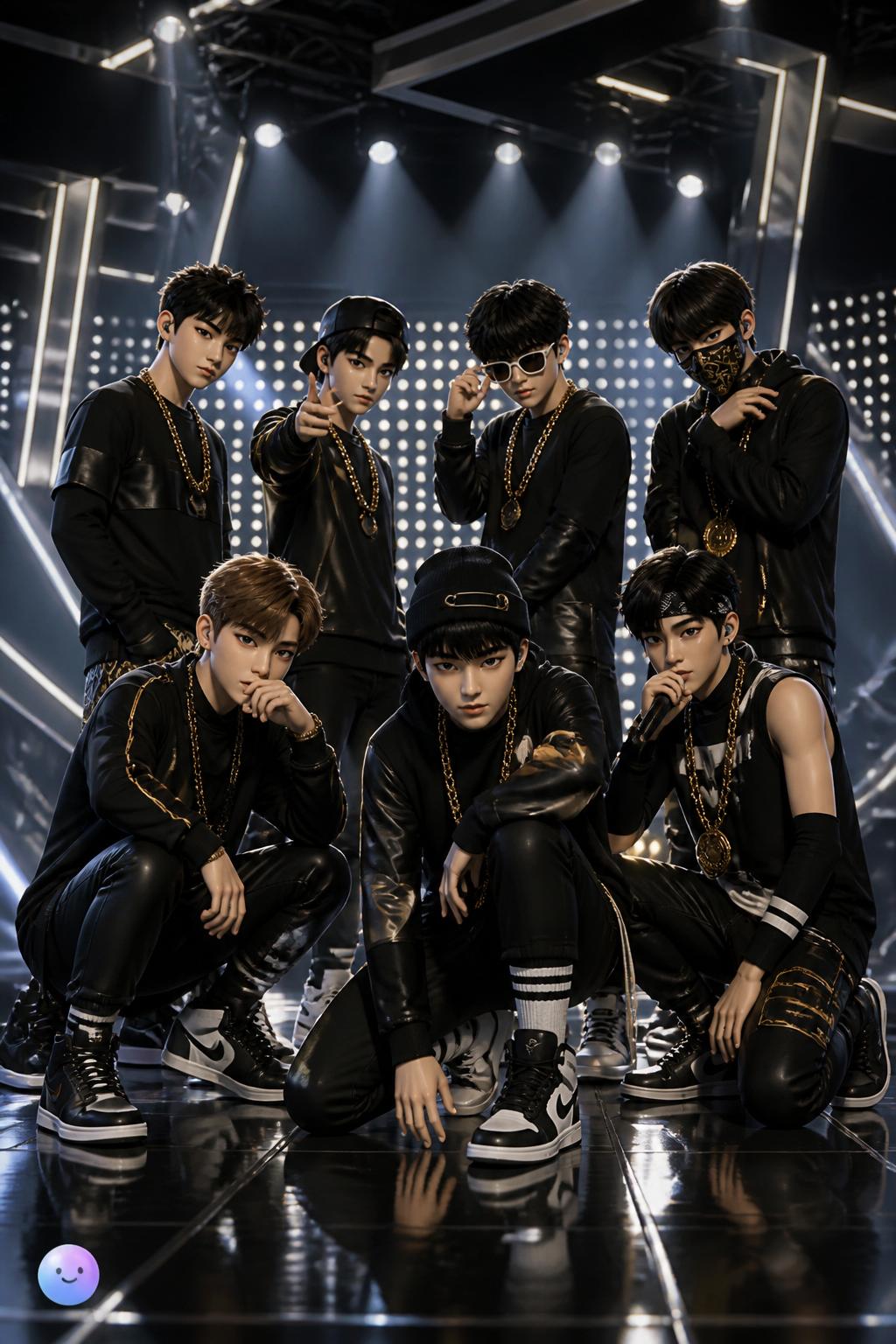
b134340 Discover the origins of the global phenomenon BTS and their energetic hip-hop debut with No More Dream on June 13, 2013.
Project completed!
I am a Master of The colors of korean food
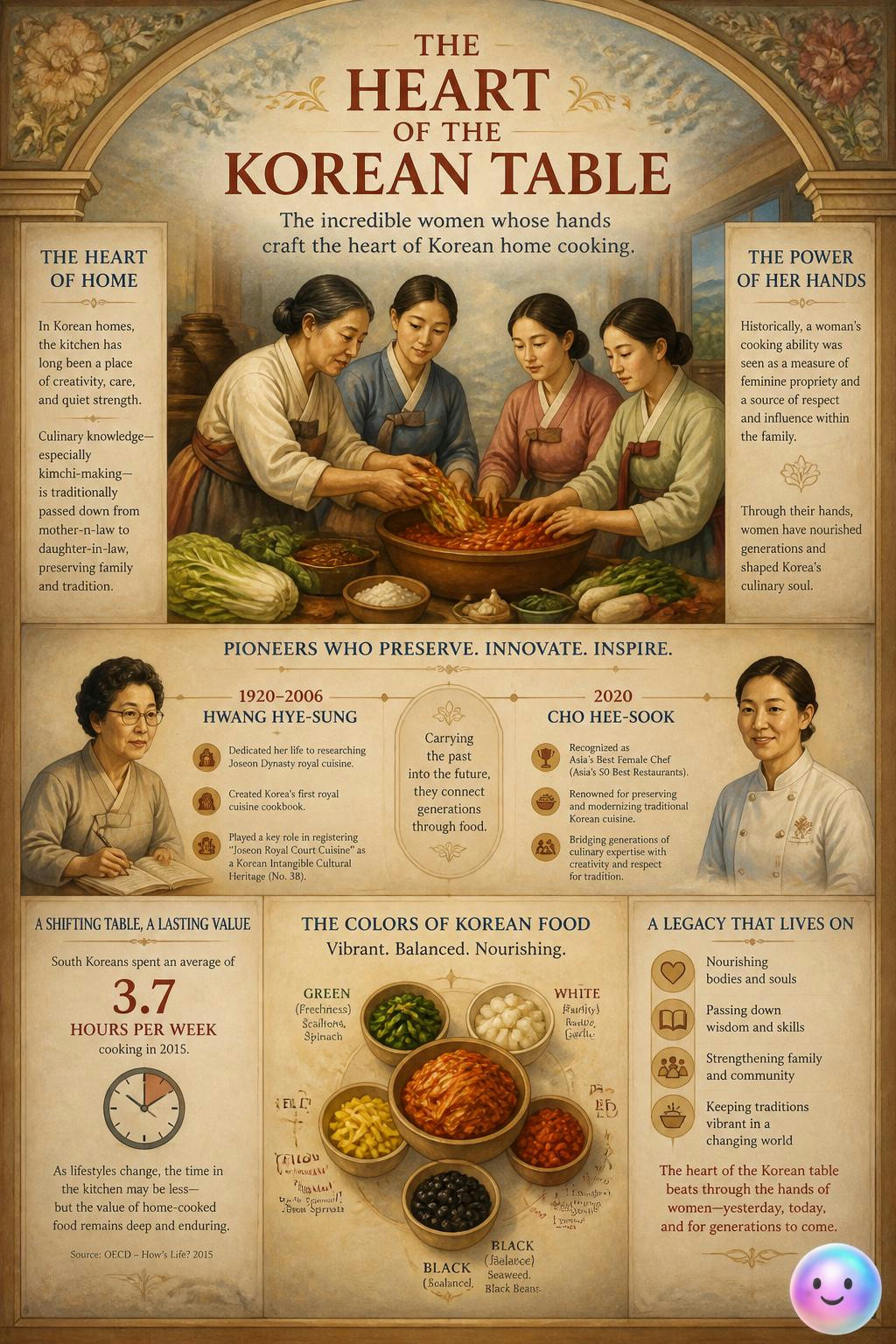
b134340 Discover son-mat, the 'hand taste' defining Korean cuisine. Learn how love and tradition shape every dish in this beautiful visual infographic guide.
What is the name of the traditional Korean five-color palette—consisting of red, yellow, green/blue, white, and black—historically used to bring harmony and nutritional balance to a meal?
How many traditional colors make up 'Obangsaek,' the color philosophy used to bring nutritional and visual balance to a traditional Korean table?
Korean table colors: Traditional Korean meals feature five specific colors representing natural elements, designed to bring nutritional balance and harmony to the shared family table.

The traditional Korean color theory that uses five colors—white, black, blue, yellow, and red—to represent different elements of nature. In cooking, chefs use this color scheme to create meals that are both visually stunning and nutritionally balanced. Think of it like a natural rainbow on your plate; when you eat a vibrant bowl of bibimbap, you are enjoying a tasty masterpiece designed to keep your body in perfect harmony!