Evidence of the Dust That Blocked the Sun
The Cretaceous-Paleogene boundary layer tells the story of the dinosaur-ending asteroid.
Chapter 1
The architecture of deep time
Chapter 2
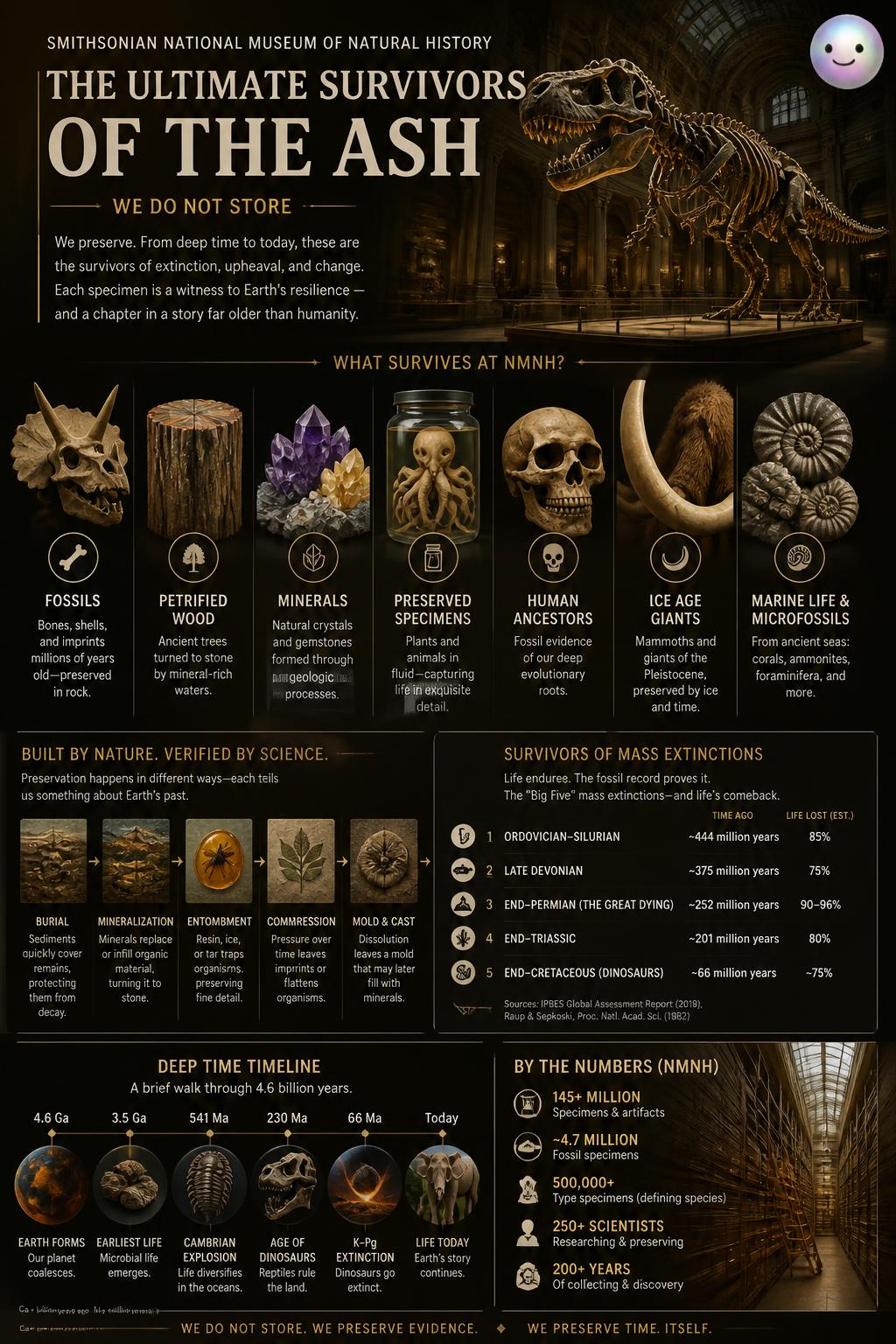
Surviving the great dyings
Chapter 3
Ancient climates and changing worlds
Chapter 4
The library of 148 million secrets
Ch 2 · Surviving the great dyings

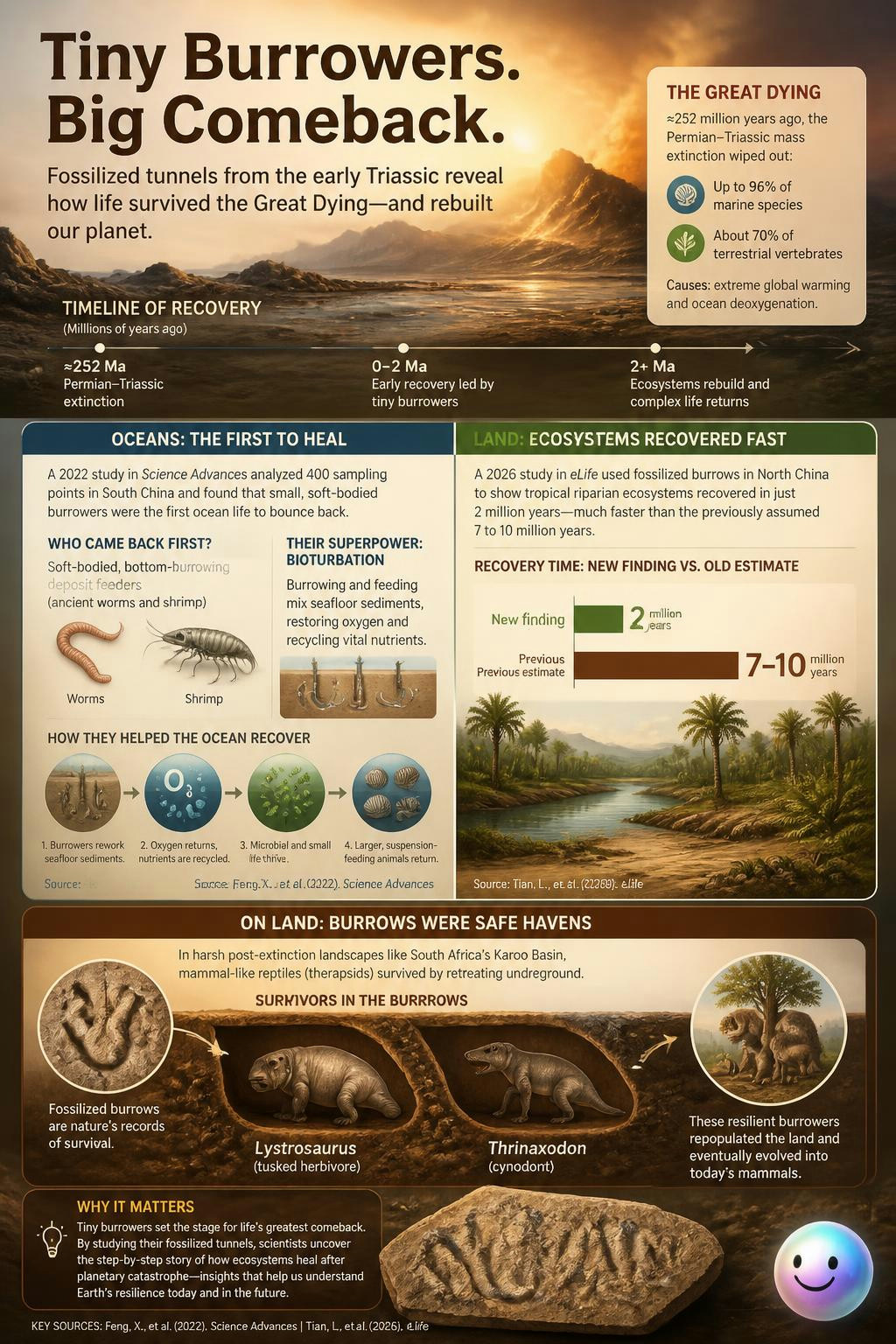
streetspirit Winding fossilized tunnels from the early Triassic carve pathways through the ancient soil
Glossary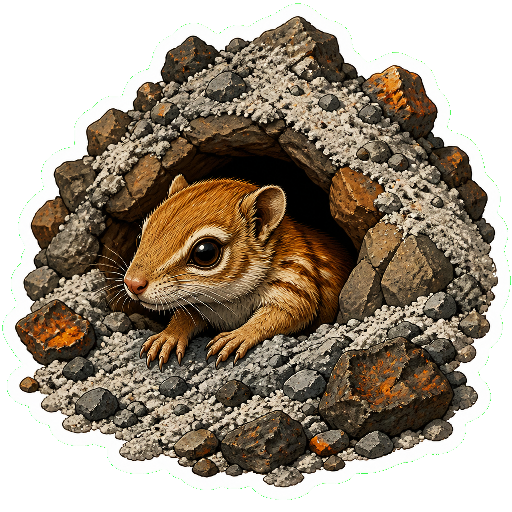
purgatorius (noun)
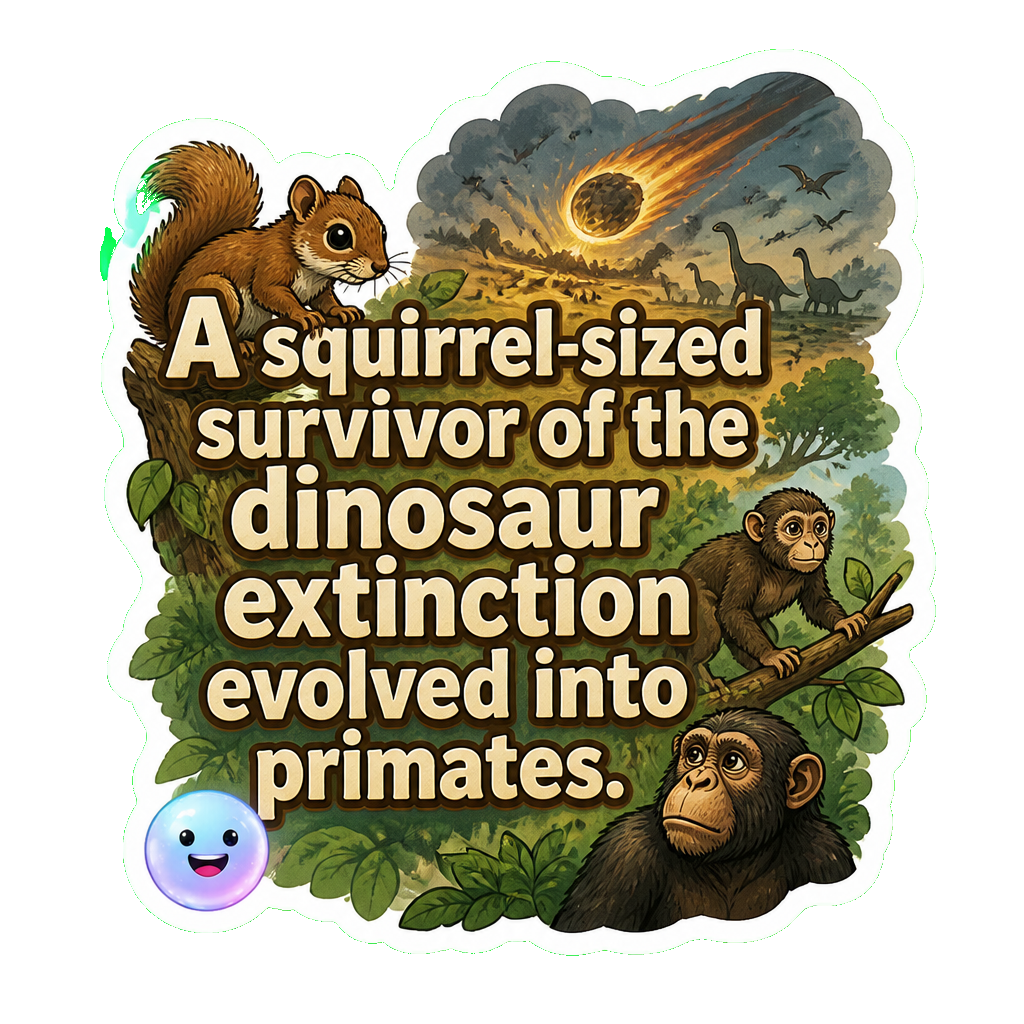
A tiny, squirrel-sized mammal that survived the asteroid impact that wiped out the dinosaurs and is considered the earliest ancestor of all primates. Discovered in Montana's Purgatory Hill, this tough little survivor reminds us that even the smallest creatures can shape the future of the entire planet.
A tiny, squirrel-sized mammal that survived the asteroid impact that wiped out the dinosaurs and is considered the earliest ancestor of all primates. Discovered in Montana's Purgatory Hill, this tough little survivor reminds us that even the smallest creatures can shape the future of the entire planet.
streetspirit The Great Dyings
The world goes on, the world goes on, Life survived before we were here.
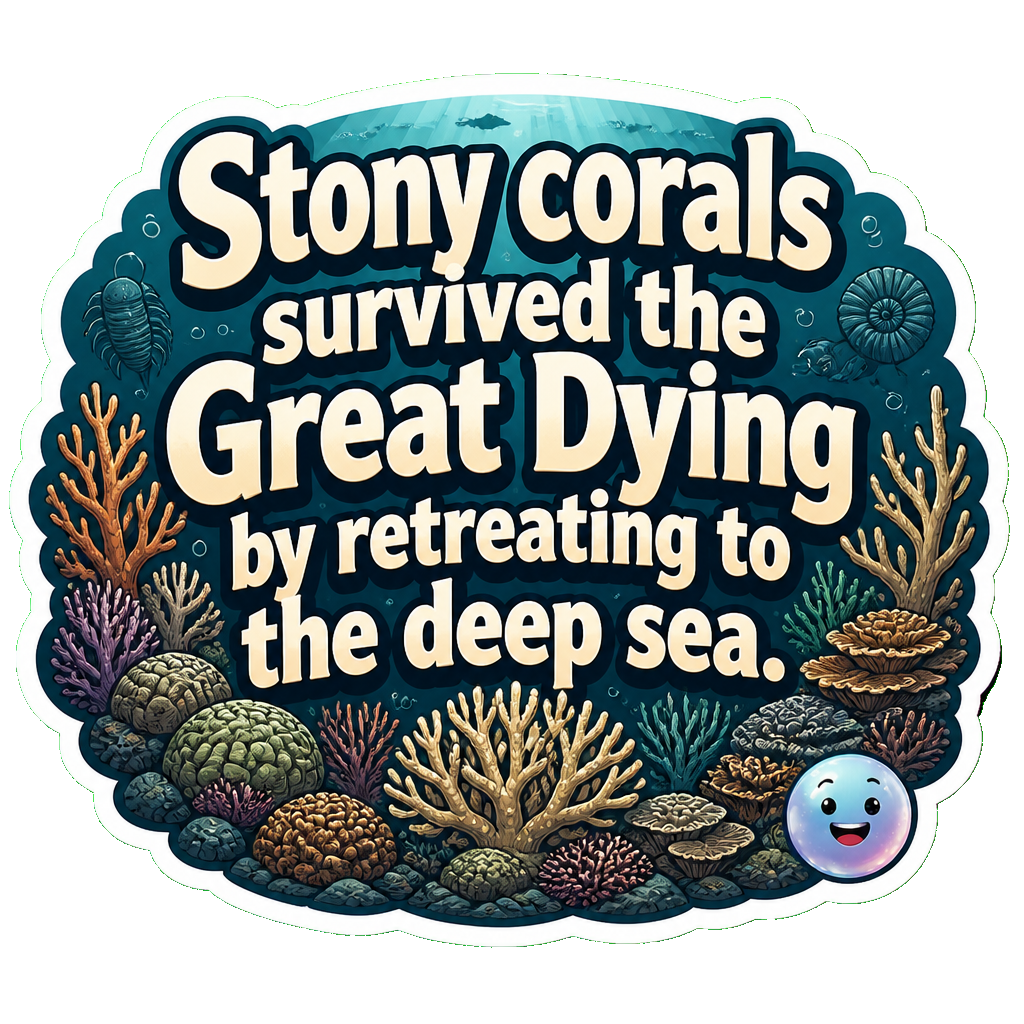
streetspirit Paleobiologists study thousands of ancient coral specimens to trace reef recovery. Following the Triassic extinction 201 million years ago, complex ocean ecosystems took millions of years to rebuild.
Fun Fact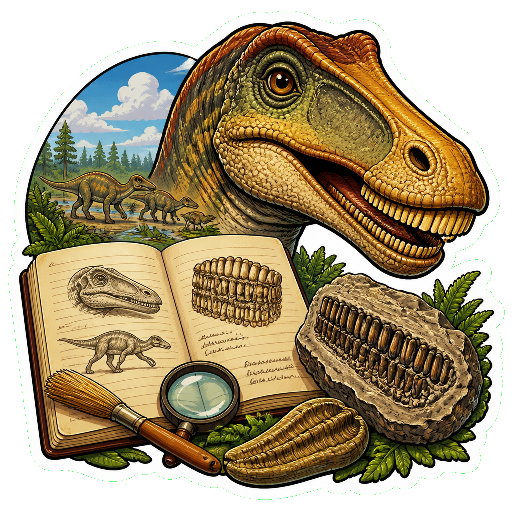
Dinosaur dental records: Some duck-billed dinosaurs had over 1,000 teeth packed into their jaws, which they replaced constantly throughout their lives.
streetspirit The Cretaceous-Paleogene boundary layer tells the story of the dinosaur-ending asteroid.
Glossary
mass extinction (noun)
The rapid and widespread decline in the biodiversity of Earth's species over a short geological period. The Smithsonian's fossil hall displays specimens from the planet's most devastating biological collapse 252 million years ago.
The rapid and widespread decline in the biodiversity of Earth's species over a short geological period. The Smithsonian's fossil hall displays specimens from the planet's most devastating biological collapse 252 million years ago.
Quiz
Why do scientists study fossilized burrowing organisms from the early Triassic period?
BETA
streetspirit Match prehistoric fossils to learn how Earth bounced back from disasters before humans existed.
streetspirit Around 252 million years ago, massive Siberian volcanic eruptions triggered the Great Dying. Smithsonian fossils reveal how tiny burrowing survivors paved the way for the first dinosaurs.
Quiz
Near which modern-day country did the asteroid impact occur that wiped out the non-avian dinosaurs?
streetspirit Museum geologists study 66-million-year-old sediment cores from Chicxulub, Mexico. This thin, iridium-rich clay layer marks the sudden asteroid impact that wiped out 75% of all species.
Quiz
What is the name of the squirrel-sized early mammal ancestor that survived the dinosaur extinction?
streetspirit Smithsonian fossil jaw fragments reveal how Purgatorius thrived 66 million years ago. This tiny fruit and insect eater eventually evolved into the first primates.
Quiz
Approximately how many million years ago did the 'Great Dying' Permian-Triassic extinction occur?